Taking Care of Your Heart ❤️
Your heart is the engine that keeps your body running, and taking care of it is key to a long, healthy life. In this section, you'll find everything you need to know about heart health, including what to expect at a cardiology visit, common heart conditions, and simple steps to keep your heart strong.
From understanding blood pressure and cholesterol to learning how a heart-healthy diet and lifestyle can make a big difference, this guide will help you stay informed and empowered. Whether you're managing a heart condition or just looking to keep your heart in top shape, we've got you covered!
Taking care of your heart starts on your plate! ❤️
Love Your Heart: Tasty & Healthy Recipes!
A heart-healthy diet is a way of eating that supports your heart and blood vessels, helping to reduce the risk of heart disease, high blood pressure, and stroke. It focuses on nutrient-rich, whole foods while limiting unhealthy fats, added sugars, and excess salt.
Key Ingredients of a Heart-Healthy Diet:
🥦 Lots of Fruits & Veggies – Packed with vitamins, minerals, and fiber to keep your heart strong.
🍞 Whole Grains – Brown rice, whole wheat bread, quinoa, and oats help lower cholesterol.
🐟 Lean Proteins – Choose fish (like salmon), skinless poultry, beans, and nuts instead of red meat.
🥑 Healthy Fats – Use olive oil, avocados, and nuts instead of butter or fried foods.
🧂 Less Salt, More Flavor – Swap out salt for herbs, spices, and fresh lemon juice.
🚰 Stay Hydrated – Drink plenty of water and avoid sugary drinks.
Foods to Limit:
❌ Processed and fried foods
❌ Sugary drinks and desserts
❌ Too much red or processed meat
❌ Excessive salt (check food labels!)
Eating this way lowers cholesterol, keeps blood pressure in check, and reduces inflammation, all of which help protect your heart.
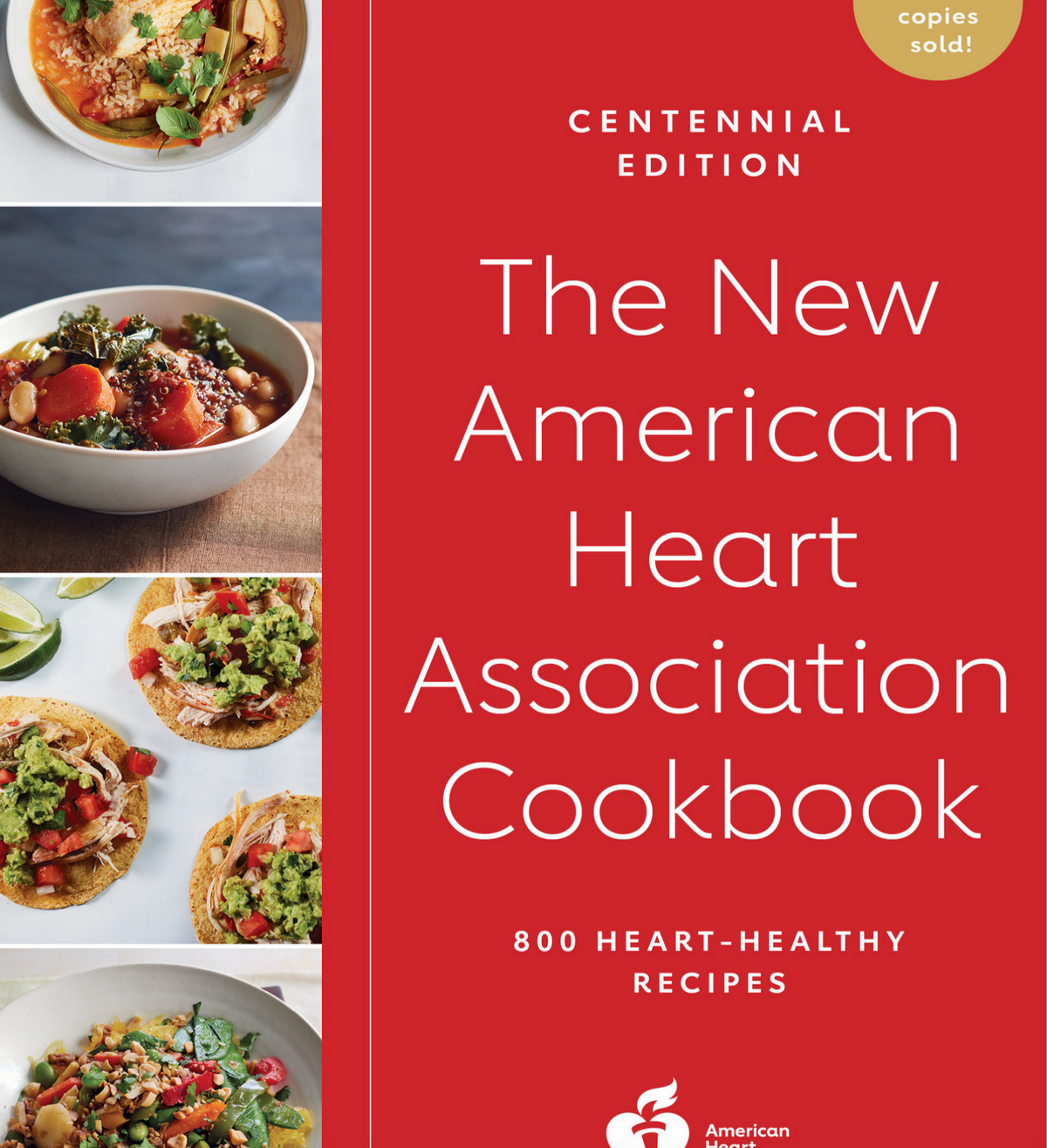
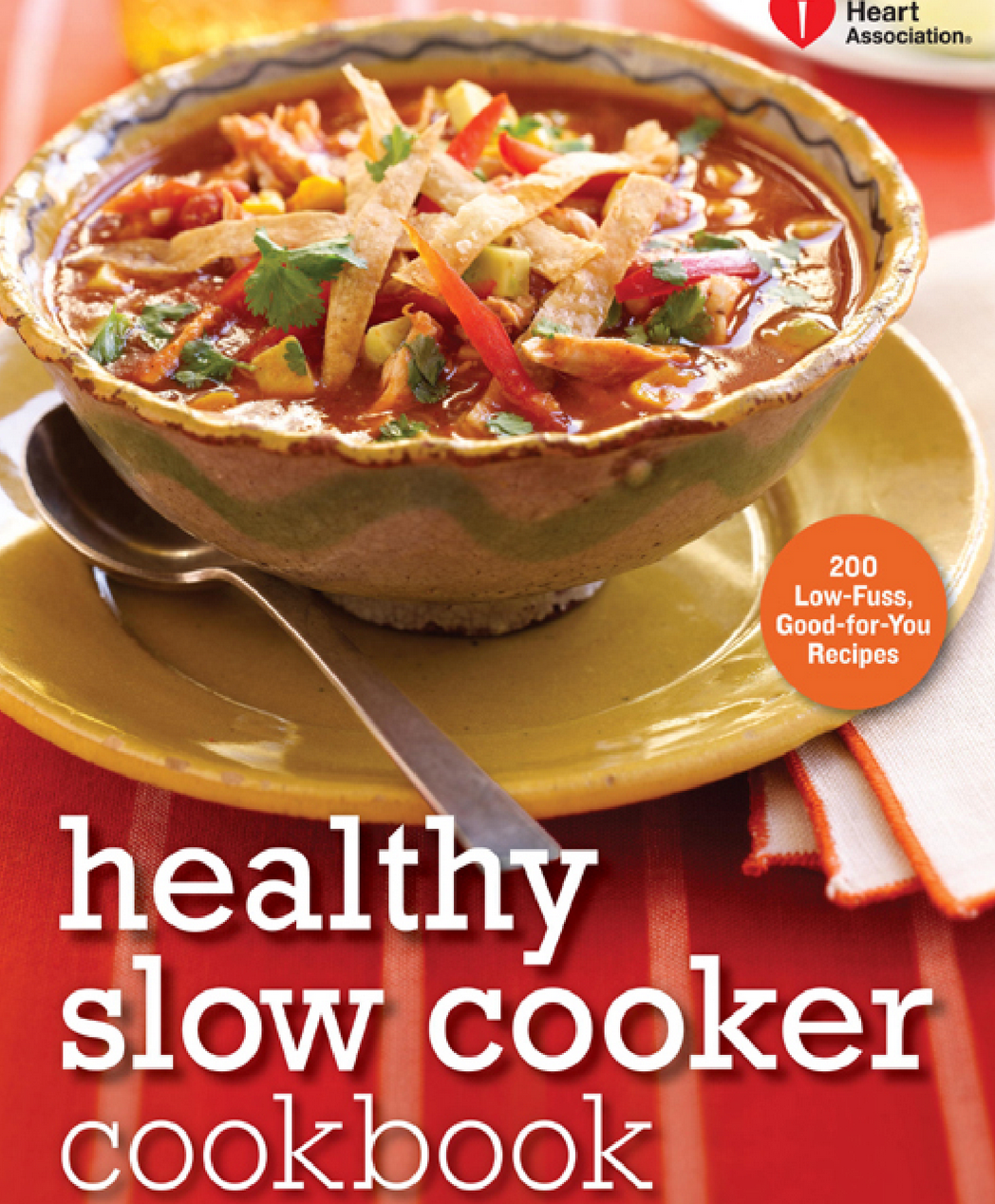
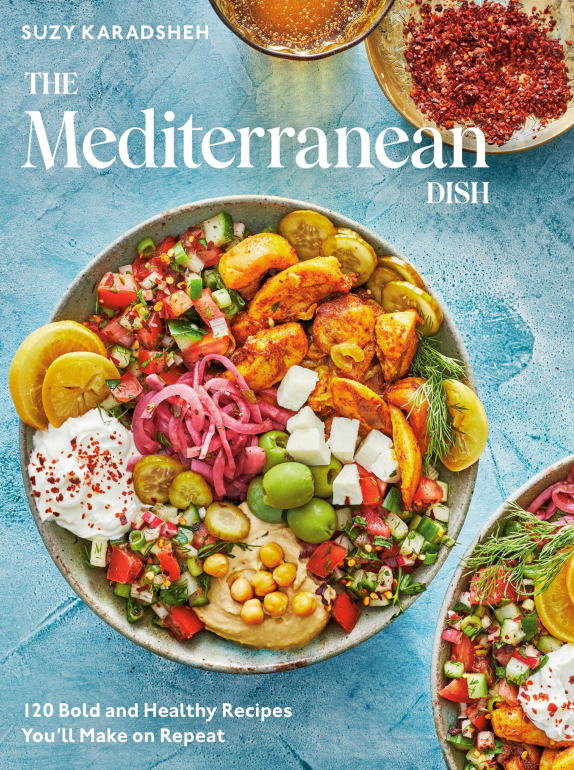
Why My Go-To is the Mediterranean Diet 🌿❤️
When it comes to heart health, I trust the Mediterranean diet because it's backed by science and packed with fresh, wholesome foods. This way of eating is rich in olive oil, lean proteins, whole grains, and colorful veggies, all of which help lower inflammation, improve cholesterol, and support overall wellness.
I love that it’s not just a diet—it’s a lifestyle that promotes balance, flavor, and long-term heart health. Plus, it’s easy to follow and filled with delicious, satisfying meals! 🌊🥗🐟

Hypertension
What is Hypertension?
Hypertension, or high blood pressure, happens when the force of blood against your artery walls is too high for too long. Over time, this can strain your heart and increase the risk of heart disease, stroke, and kidney problems.
How is Hypertension Diagnosed?
A doctor diagnoses hypertension by measuring your blood pressure using two numbers:
🔹 Systolic (top number) – Pressure when your heart beats
🔹 Diastolic (bottom number) – Pressure when your heart rests
A normal reading is below 120/80 mmHg. High blood pressure is usually diagnosed if readings stay above 130/80 mmHg over multiple visits.
💡 Lifestyle changes, like eating a low-sodium diet, exercising, and managing stress, also play a huge role in keeping blood pressure under control!
Common Medications & How They Work 💊
Doctors prescribe different types of medications to lower blood pressure and protect your heart:
- Diuretics ("Water Pills") – Help the body get rid of extra salt and water (e.g., Hydrochlorothiazide, Chlorthalidone).
- ACE Inhibitors – Relax blood vessels to lower pressure (e.g., Lisinopril, Enalapril).
- ARBs (Angiotensin II Receptor Blockers) – Work like ACE inhibitors but with fewer side effects (e.g., Losartan, Valsartan).
- Beta Blockers – Slow the heart rate and reduce pressure (e.g., Metoprolol, Atenolol).
- Calcium Channel Blockers – Relax blood vessels and lower heart rate (e.g., Amlodipine, Diltiazem).
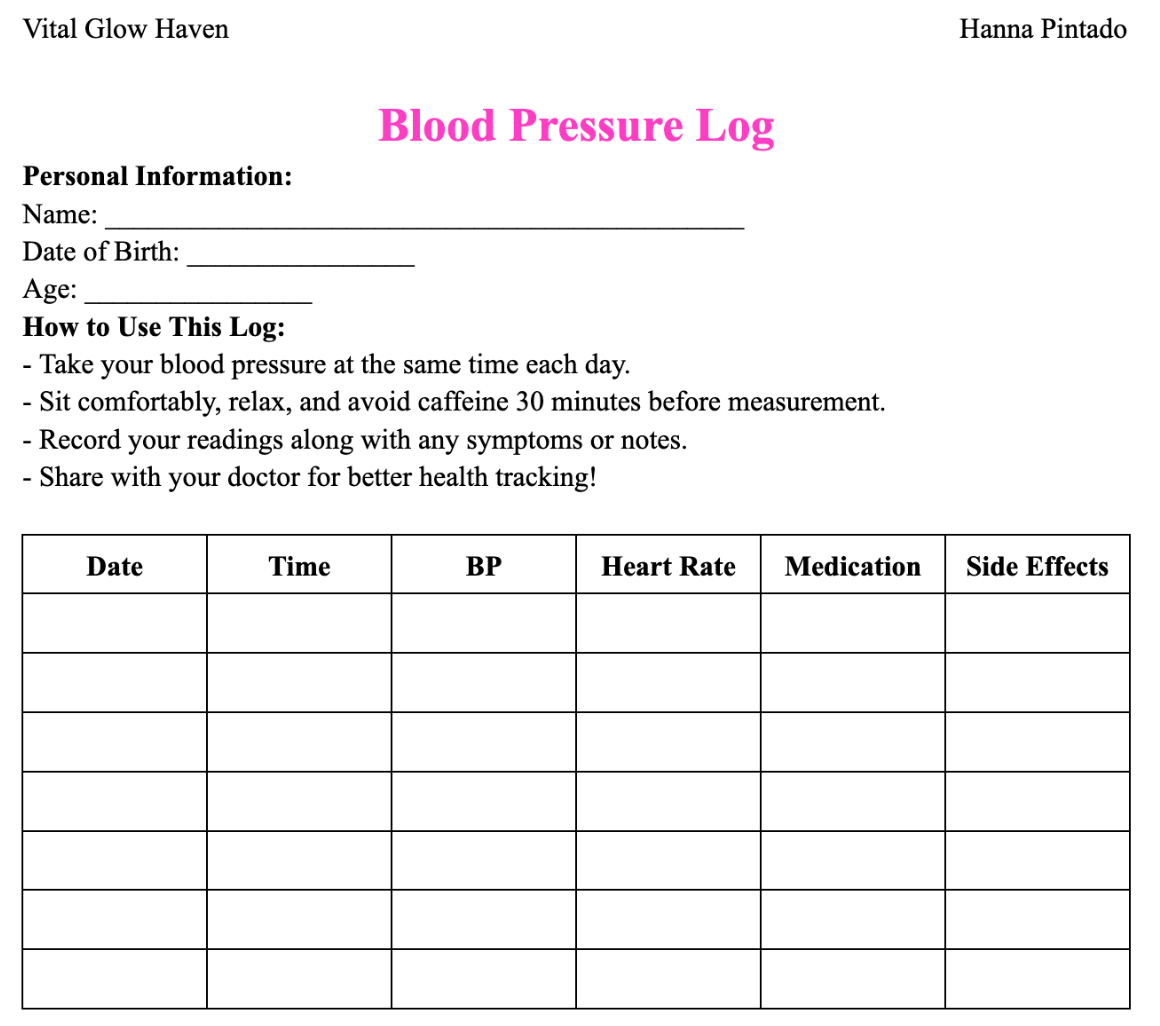
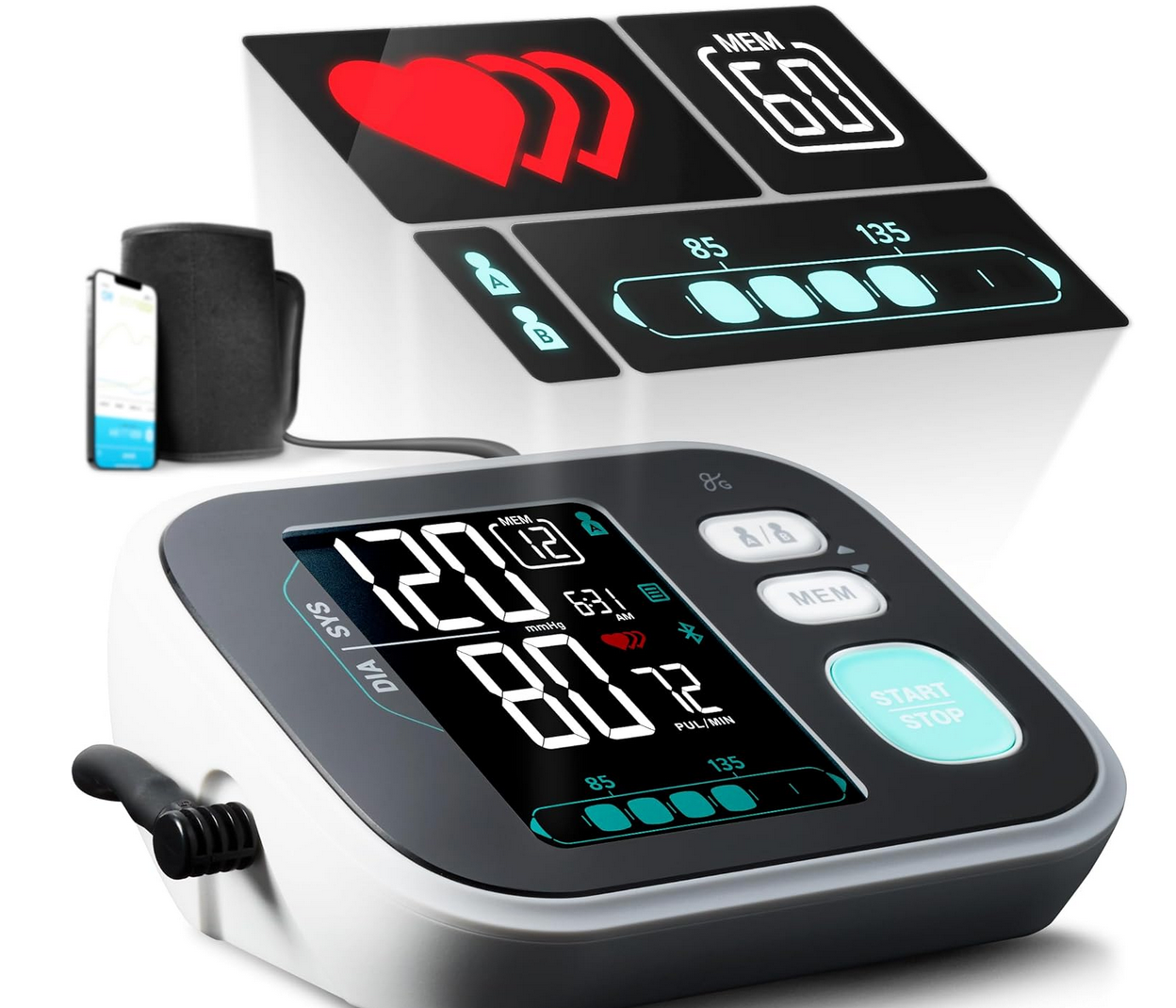
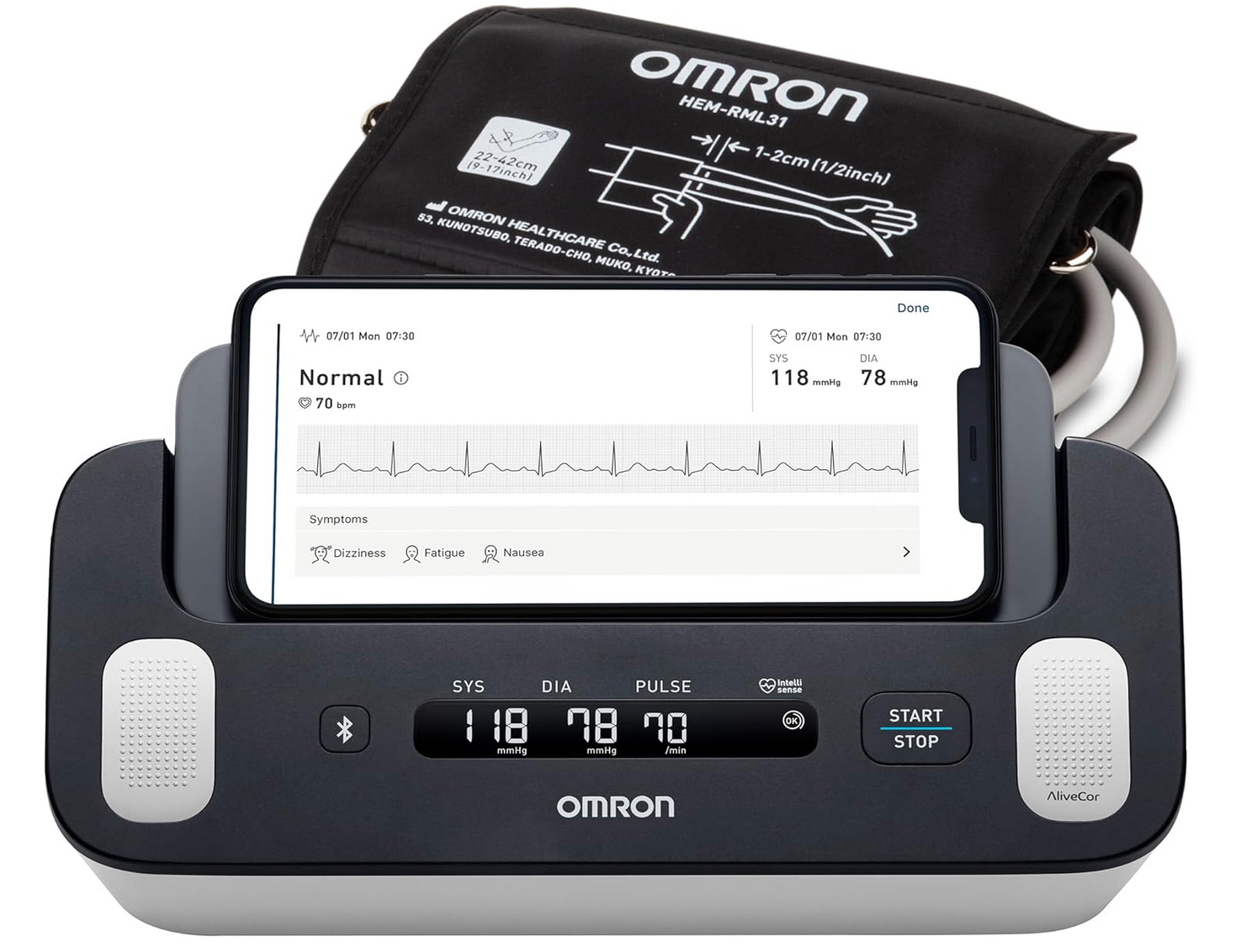
Blood Pressure Log
Why It's Important to Keep a Blood Pressure Log 📋💡
Keeping a blood pressure log is a simple yet powerful tool for managing hypertension. Regularly recording your blood pressure readings helps you and your healthcare provider understand how well your treatment plan is working and whether any adjustments are needed. Here’s why it matters:
- Track Patterns Over Time – Regular measurements help detect any changes in your blood pressure, whether it's getting better, worse, or fluctuating.
- Personalize Your Care – By sharing your log with your doctor, they can adjust your medications or recommend lifestyle changes based on your specific data.
- White Coat Syndrome Awareness – Some people experience higher blood pressure readings in the doctor’s office due to anxiety, a phenomenon known as white coat syndrome. Tracking your pressure at home can give a more accurate picture of your true blood pressure, avoiding over-treatment or misdiagnosis based on one high reading in the office.
Instructions
Take your blood pressure at the same time each day, preferably in the morning before eating or drinking caffeine. Sit quietly for 5 minutes before measuring. Record your results below!
💡 Helpful Tips
✅ Keep salt intake low & drink plenty of water
✅ Exercise regularly & manage stress
✅ Take medications as prescribed
✅ Bring this log to your doctor's appointments
Stay consistent, and take care of your heart! ❤️
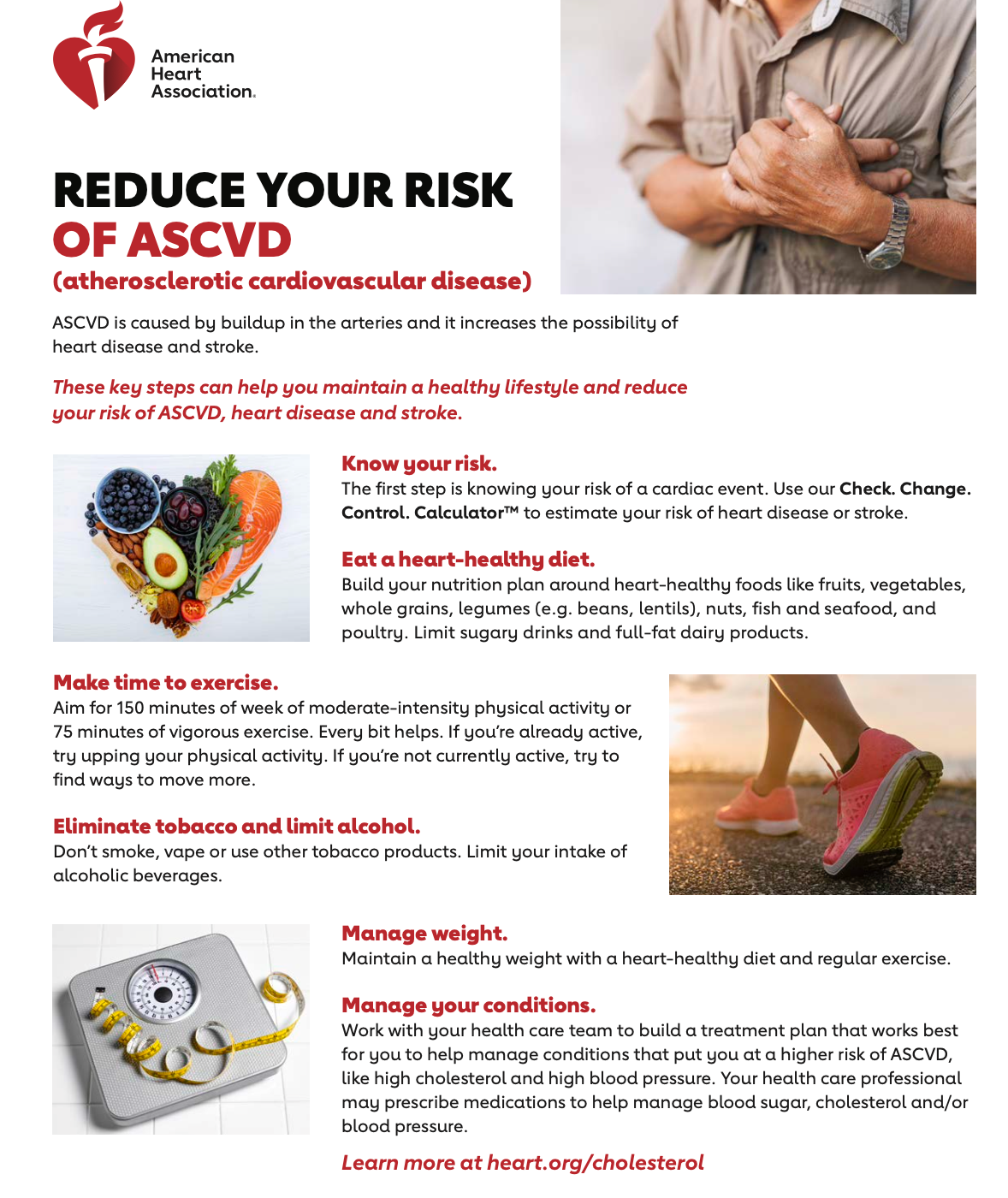
💖 Keep Your Heart Healthy: A Guide to Cholesterol & Fats
🥑 Understanding Fats & Cholesterol
Not all fats are bad! Your body needs some to function properly, but too much of the wrong kind can be trouble. Let’s break it down:
- LDL ("Lousy" Cholesterol) – The kind that clogs arteries 😬
- HDL ("Happy" Cholesterol) – Helps clear out the bad stuff! 😍
Fats 101:
- Good Fats: Avocados, nuts, olive oil 🥑🥜
- Not-So-Good Fats: Fried food, processed snacks 🍟🚫
- Trans Fats: Found in some baked goods & fast food
🧬 Different Types of Cholesterol Disorders
- Familial Hypercholesterolemia (FH): Inherited high cholesterol—watch those numbers!
- Polygenic Hypercholesterolemia: Caused by multiple genes plus diet/lifestyle.
- Secondary Hypercholesterolemia: Linked to other health conditions like diabetes.
Why High Cholesterol is a Big Deal
When bad cholesterol builds up, it can lead to:
⚡ Atherosclerosis – Hardening of the arteries
🫀 Heart Disease & Heart Attacks – Reduced blood flow to the heart
🧠 Stroke Risk – Blocked blood flow to the brain
How to Manage & Treat High Cholesterol
Lifestyle Superpowers:
✅ Eat a heart-healthy diet (hello, salmon & greens! 🥗🐟)
✅ Move your body—walking, yoga, or dancing counts! 💃🏋️♀️
✅ Reduce stress & get good sleep 😴
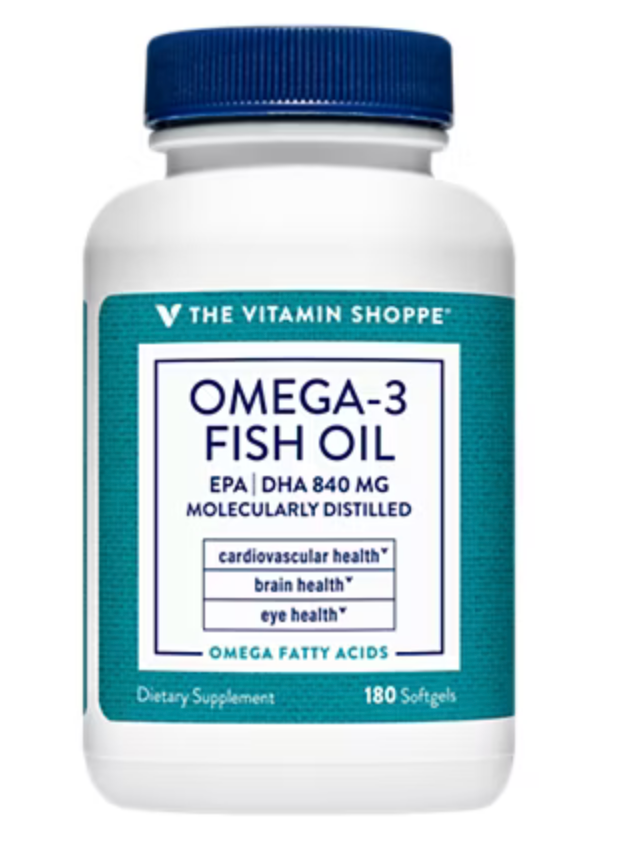
✅ Over the counter Omega 3 fish oil with high EPA
Medication Magic & How They Work:
- Statins: Stop your liver from making too much cholesterol.
- PCSK9 Inhibitors: Help clear out LDL from your bloodstream.
- Ezetimibe: Stops cholesterol from being absorbed in your gut.
- Bile Acid Sequestrants & Fibrates: Work in unique ways to lower LDL.
Tracking Your Heart Health
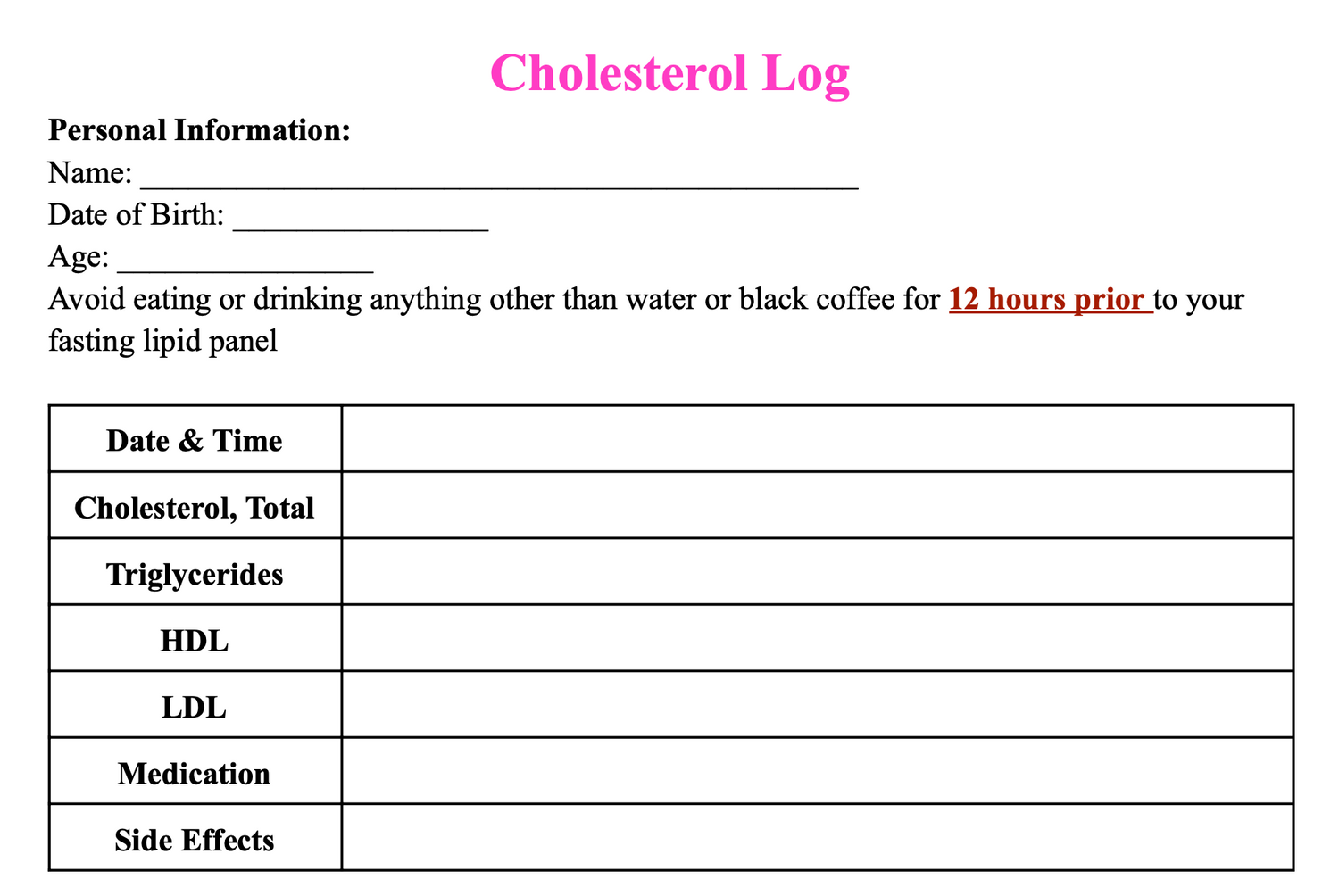
✨ Cholesterol Tracking Log – Keep tabs on your numbers like a pro! 📉
📅 Routine Lipid Panel Checks – Prevention is key!
Electrophysiology
Lets break it down