Caring for Little Hearts and Minds 💕🧠
At Caring for Little Hearts and Minds, we believe that every child deserves a strong foundation for a healthy future—both physically and emotionally. From understanding the early signs of health concerns to nurturing growing minds with love and knowledge, our goal is to empower parents, caregivers, and little ones with the tools they need to thrive.
Let’s nurture the next generation together!
📖 Helpful Books for Growing Families 📖
At Vital Glow Haven, I know that caring for little hearts and minds begins with caring for yourself. That’s why I've gathered my favorite trusted books — from pregnancy guides to birth partner handbooks — to help you feel informed, supported, and empowered every step of the way.
Open a page, find a calm moment, and discover guidance you can trust — because your glow starts with knowledge.
My Featured Reads:
Pregnancy & Birth Guides
📖 Mayo Clinic Guide to a Healthy Pregnancy
Trusted medical advice from the renowned Mayo Clinic, this comprehensive guide covers every stage of pregnancy, from conception to newborn care, with easy-to-follow week-by-week updates.
📖 The Birth Partner
A must-have for partners, doulas, and loved ones who want to be informed, supportive advocates during labor and birth.
📖 Ina May’s Guide to Childbirth
Midwife Ina May Gaskin shares empowering stories and evidence-based tips for embracing birth naturally and confidently.
📖 Pregnancy Day by Day
A visual journey through your pregnancy, this book offers daily insights, illustrations, and milestones to keep you informed and inspired.
📖 The Couple’s Pregnancy Guide
Designed for both parents-to-be, this guide encourages teamwork, communication, and shared excitement during each trimester.
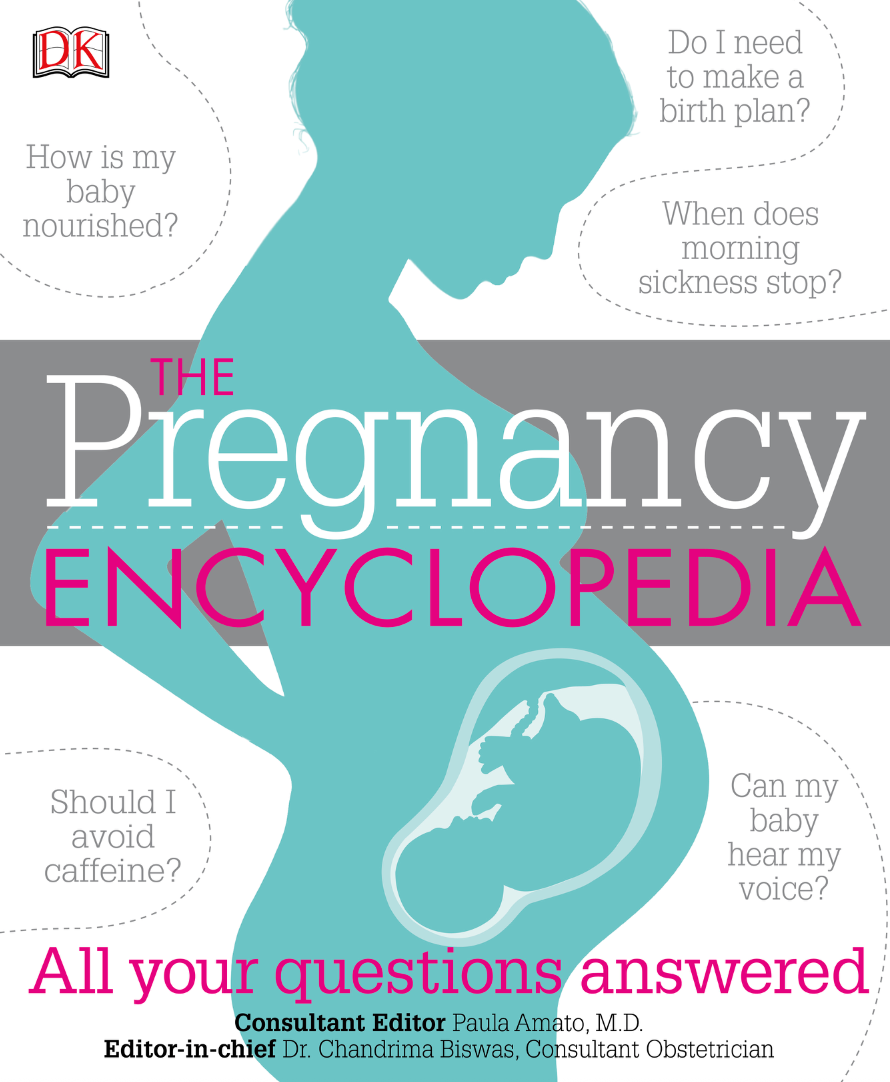
📖 The Pregnancy Encyclopedia
An A-to-Z reference that covers every pregnancy topic imaginable — perfect for when you need a quick, clear answer.
Movement & Wellbeing
📖 Bumps and Burpees
A fresh take on staying fit and strong during pregnancy, with safe exercises, practical tips, and gentle encouragement for an active, healthy bump.
Nourishing You & Baby
📖 Honey, What Do We Got? A Week-By-Week Pregnancy Cookbook
Delicious recipes tailored to each stage of pregnancy, helping you stay nourished while satisfying your cravings.
📖 The First Forty Days: The Essential Art of Nourishing the New Mother
Rooted in traditional wisdom, this book guides you through the sacred postpartum window with healing recipes and rituals that help replenish your body and spirit — comprehensive, easy-to-reference, and designed to answer questions big and small.
Why These Books Matter
These books were carefully chosen to help you feel informed, calm, and empowered during one of life’s most transformative journeys. Whether you read cover to cover or flip through for answers as you go, each one offers trusted, compassionate guidance.
How to Use This Library
✔ Browse at your own pace.
✔ Highlight what speaks to you.
✔ Share with your partner, family, or friends.
✔ Use these resources to start open, supportive conversations with your healthcare team.








Nourish to Flourish: Growing Healthy Hearts & Minds
Nutrition Education
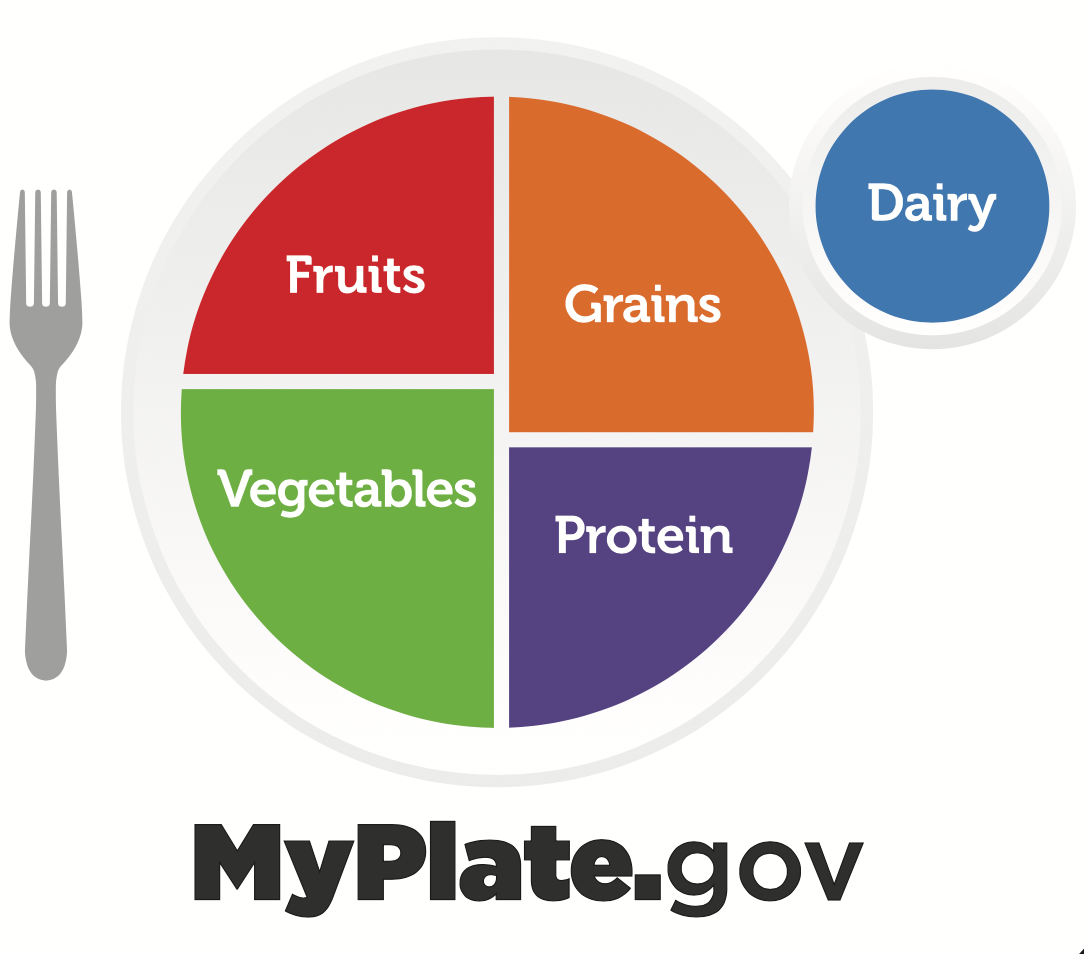
🍎 What Is MyPlate?
MyPlate is the USDA’s current nutrition symbol (since 2011), designed as a simple, modern replacement for the old food pyramid. It visually divides your plate into five food groups—fruits, vegetables, grains, protein, and dairy (or fortified soy)—to encourage balanced, portion-conscious eating in line with the Dietary Guidelines for Americans
Pregnancy & Breastfeeding
Focus on nutrient‑dense foods and safe seafood, manage calories with a personalized Plan, consider prenatal vitamins, and follow food safety tips
Infants
(0–12 mo)
Exclusive breastmilk/formula until ~6 months; introduce iron‑rich solids and avoid choking hazards around 6 mo
Toddlers
(1–2 yrs)
Small bites loaded with nutrients, limit added sugars/sodium, encourage variety, and safe textures.
Preschoolers
(2–4 yrs)
Emphasize balanced plates, manage picky eating, involve children in food prep, maintain safety
Kids
(5–12 yrs)
Use interactive games, make half their plate fruits and veggies, encourage whole grains and protein variety, and aim for 60 minutes of daily activity
Teens
Promote snacks like raw veggies and hummus, choose water, reduce sauce/sodium, and begin kitchen learning
Young Adults
Perfect time to build independence with healthy habits: pack wholesome snacks, cook in batches, reduce added sugar, choose whole grains and healthy fats .
Adults
Maintain disease prevention through balanced meals; manage calories and stay active to support weight and health
Families
Encourage fun together: meals without screens, involve kids in gardening/cooking, use activities like “food critic” to explore flavors








Pediatric Vaccines
What Every Parent Should Know
🌟 Pediatric Vaccines: What Every Parent Should Know
🛡️ Why Vaccines Matter
Vaccines protect children from serious illnesses by helping their immune systems build defenses safely and effectively. Diseases like measles, whooping cough, and polio once caused widespread illness, but thanks to vaccines, they’re now preventable.
When you vaccinate your child, you’re not only protecting them—you’re protecting your whole community, especially babies, the elderly, and those with weakened immune systems.
📋 Core Childhood Vaccines
Here’s a quick look at the vaccines most children receive during their early years:
Vaccine Protects Against
- DTaP: Diphtheria, Tetanus, Pertussis
- MMR: Measles, Mumps, Rubella
- Polio (IPV): Polio
- Hib: Haemophilus influenzae type B
- Hep A & B: Hepatitis A & B
- Varicella: Chickenpox
- Pneumococcal (PCV): Pneumonia, meningitis
- Rotavirus: Severe diarrhea
- Influenza: Seasonal flu
- COVID-19 (age-appropriate doses)
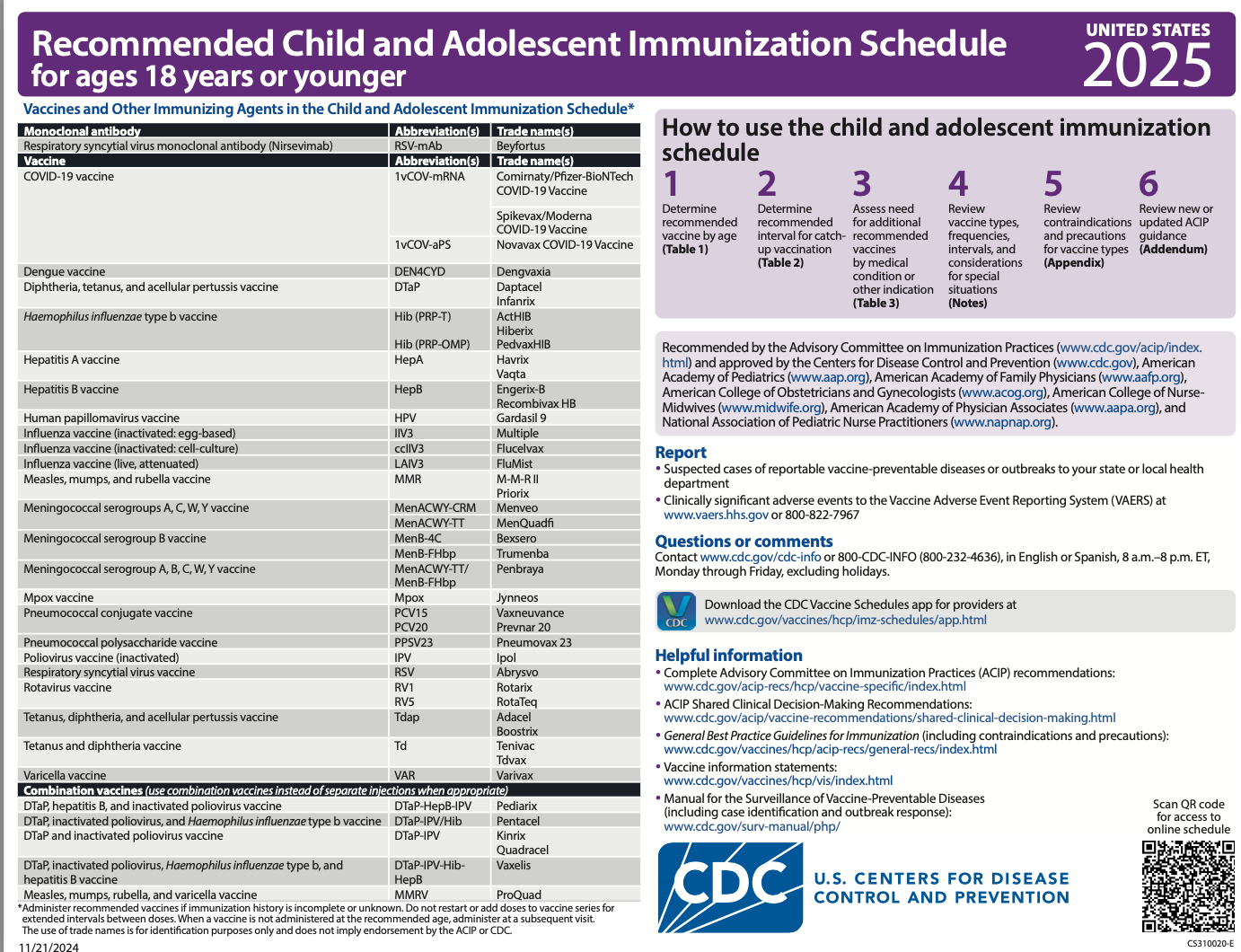
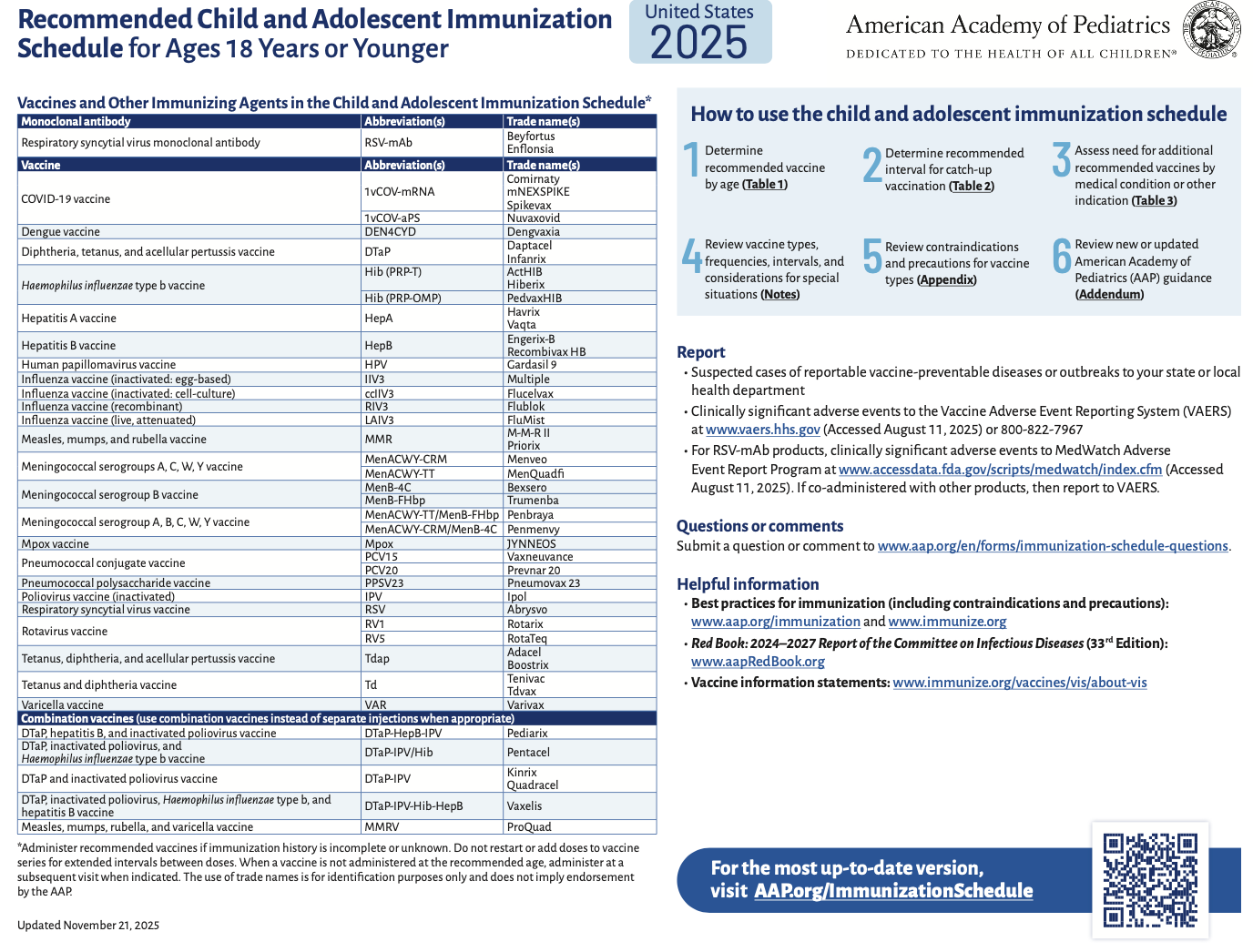
The American Academy of Pediatrics Vaccination Schedule

Click image to read article. Please inform yourself of what each vaccine is, what it is preventing, the importance, and the risk of not vaccinating.

Autism, Immunizations, Tylenol
I have no input on the relationship between vaccines, Tylenol (acetaminophen), and autism.
Please consult the official resources provided by:
Your child's pediatrician or healthcare provider.
The American Academy of Pediatrics (AAP) website
🌱 Milestones Matter
Understanding Your Child’s Growth & Development
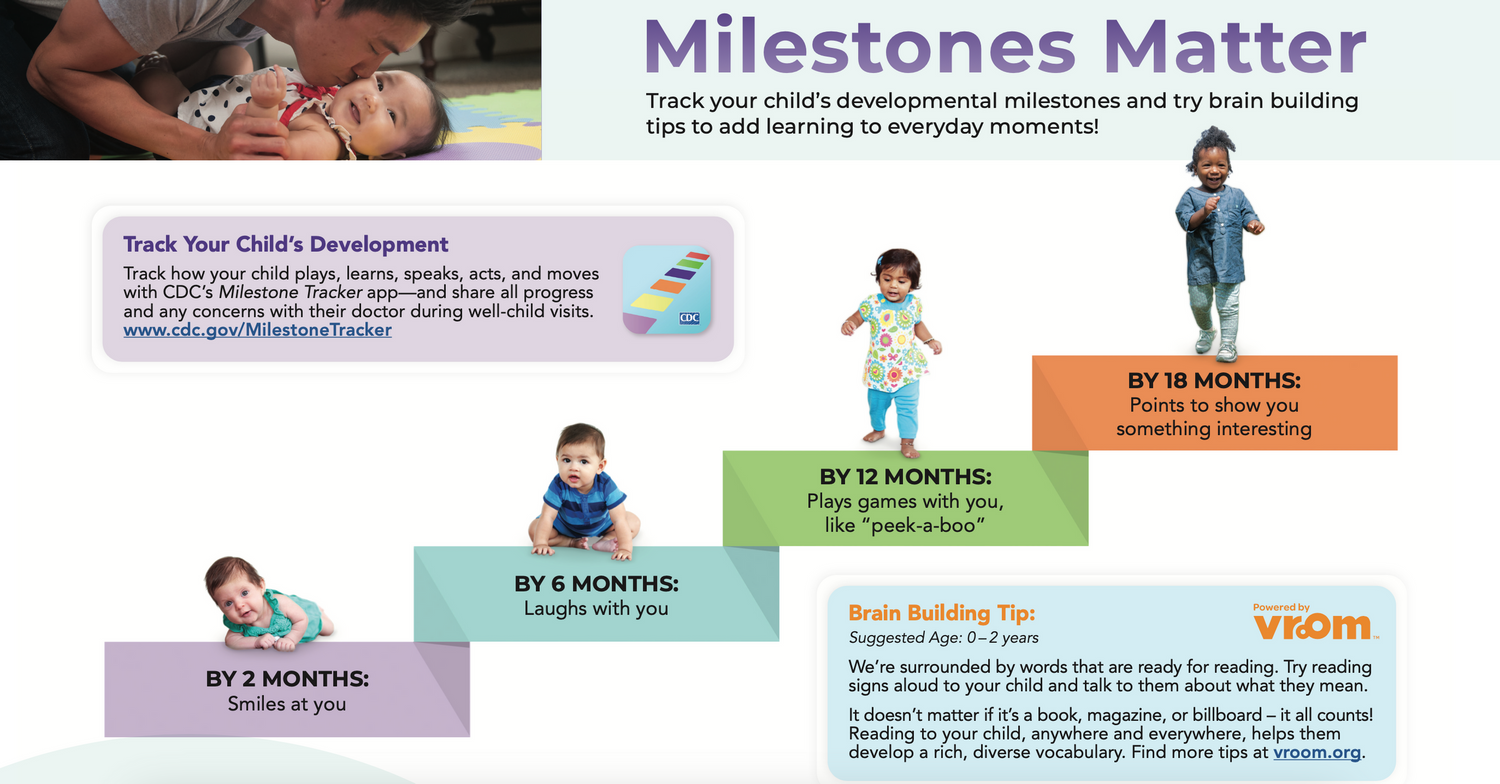
Tracking developmental milestones helps parents and caregivers recognize how a child is growing—physically, emotionally, socially, and cognitively. Every child develops at their own pace, but there are general milestones we expect at different ages.
🧠 Why Milestones Matter
- Help spot delays early
- Encourage bonding through play and interaction
- Provide reassurance and insight into what’s coming next
- Allow for timely interventions if needed
🚩 When to Talk to Your Pediatrician
Every child is different, but if you notice:
- No social smile by 3 months
- No babbling by 9 months
- Not walking by 18 months
- Loss of previously gained skills
…don’t hesitate to reach out. Early support can make all the difference.
Lovevery Play Kits
Click Link
🎯 Developmental Milestones with Lovevery Play Kits
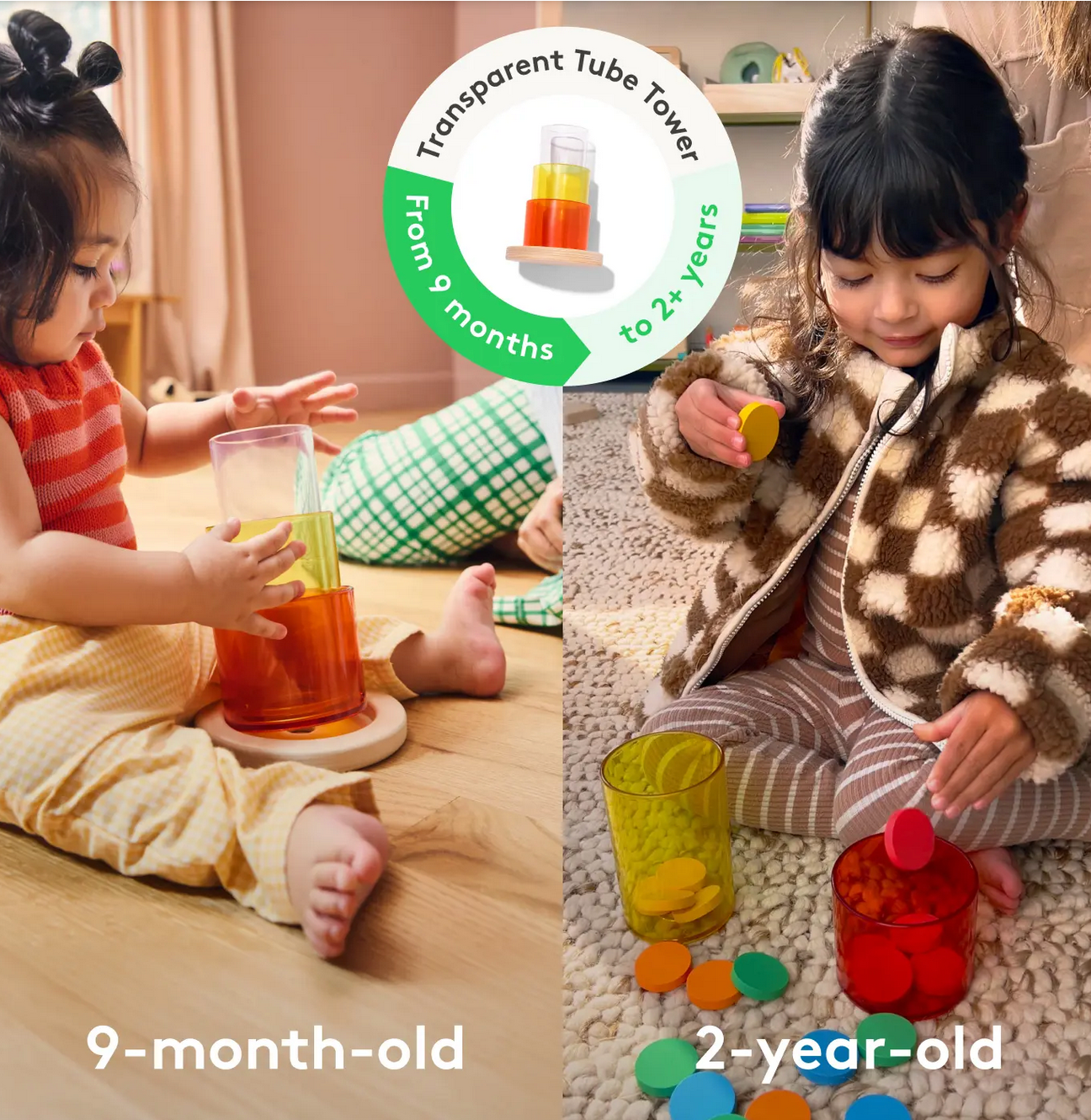
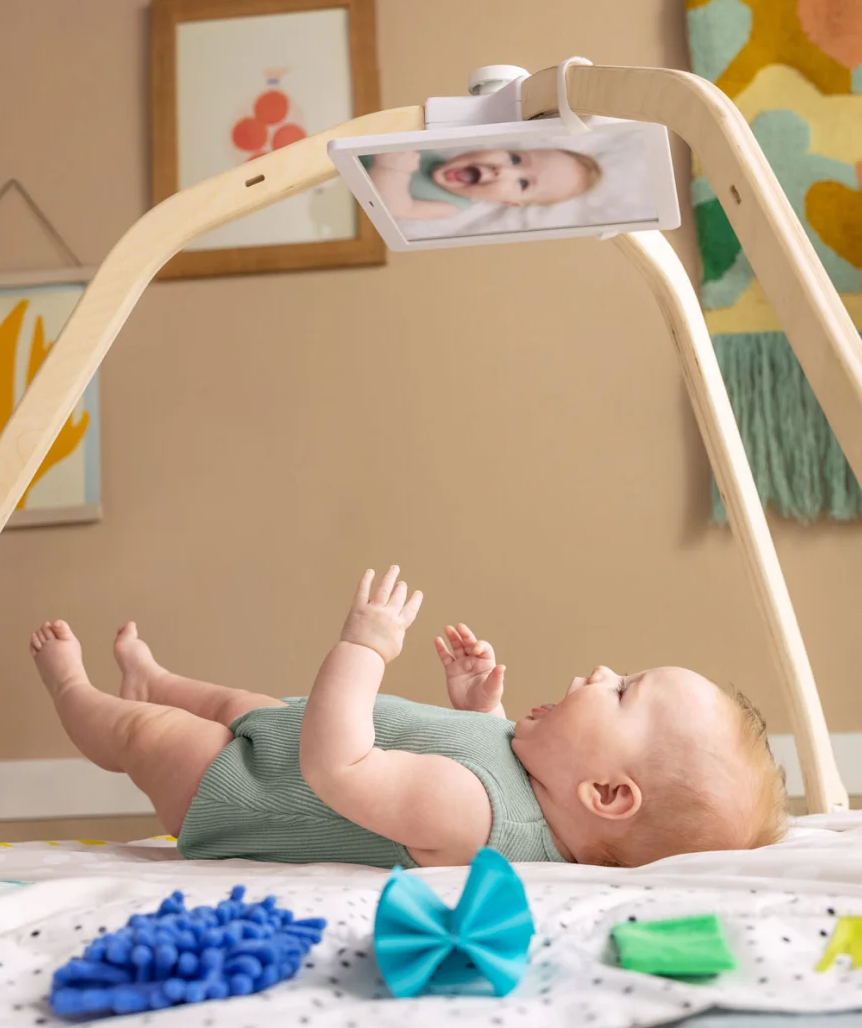
Lovevery Play Kits are carefully crafted to support your child’s evolving skills—as they grow, the toys grow with them. Each kit is thoughtfully designed around developmental milestones, simplifying your journey into focused, purposeful play. Here’s why they’re a wonderful fit for Vital Glow Haven’s “Caring for Little Hearts and Minds”:
Stage-Based Design
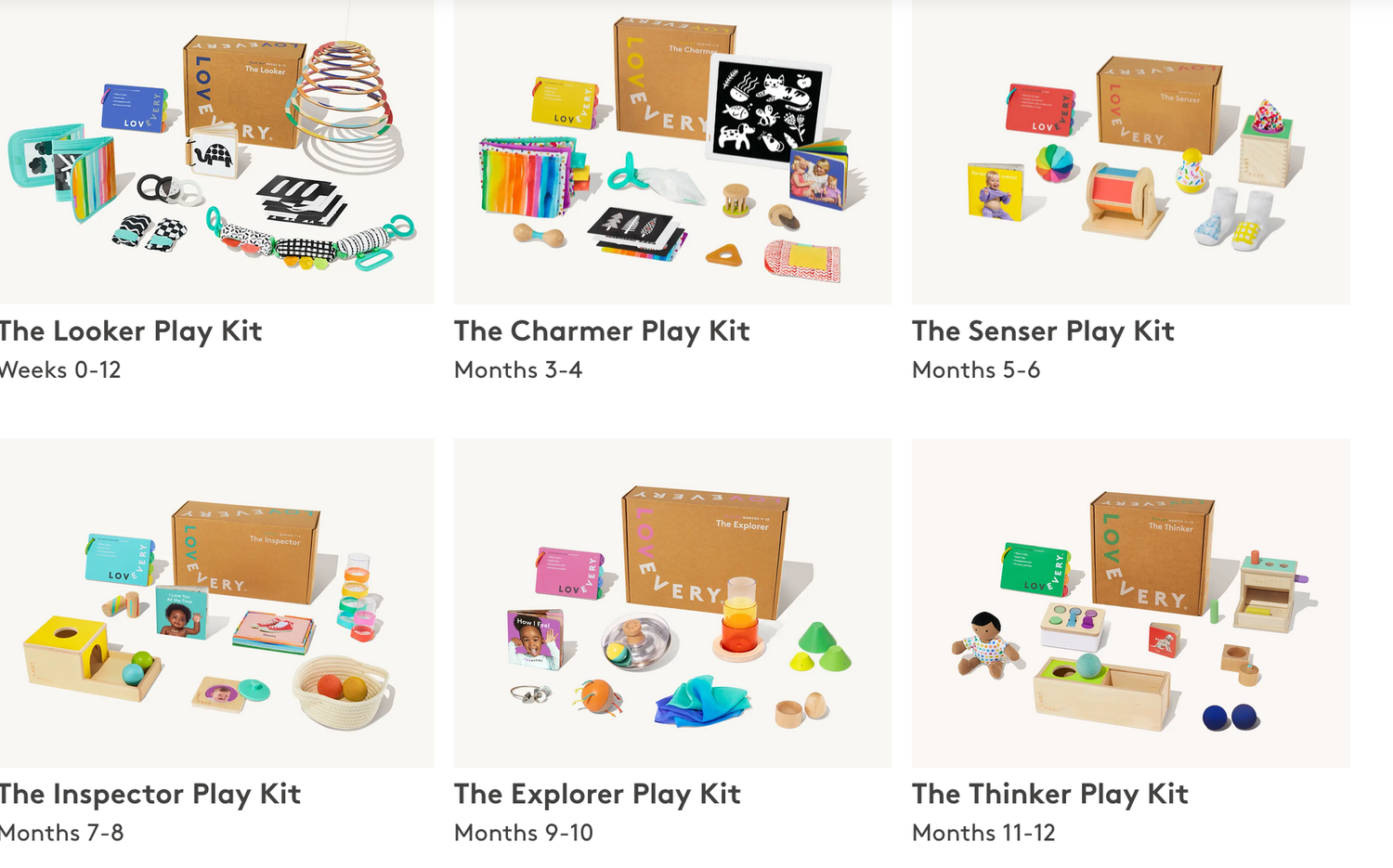
Lovevery delivers kits timed to specific developmental windows—every 2 months during the first year, and every 3 months up to age 4. You won’t have to guess what’s appropriate next—each kit arrives just when your child is ready for the next big leap.
Empowers parents with:
- Clarity: Toys arrive precisely when they’re developmentally meaningful.
- Confidence: Products rooted in child science and quality nontoxic materials.
- Convenience: A seamless, scheduled system that saves parents time and guesswork.

Attention deficit disorder
What is ADHD?
Attention-Deficit/Hyperactivity Disorder (ADHD) is a common neurodevelopmental condition that affects children’s ability to focus, control impulses, and regulate energy levels. Symptoms vary from child to child but often include difficulty paying attention, hyperactivity, and impulsivity. With the right strategies, children with ADHD can thrive at home and in school.
Why Does My Child Have ADHD? Understanding the Causes
- Genetic Factors: Inherited Traits
- Family History – ADHD tends to run in families, with heritability estimates of 70-80%.
- Specific Gene Variations – Genes involved in dopamine regulation (DRD4, DAT1, COMT) may play a role.
- Multiple Genetic Influences – ADHD is linked to many genes rather than a single mutation.
- Pregnancy & Birth-Related Factors
- Premature Birth (Preterm Delivery) – Higher risk, especially for babies born before 32 weeks.
- Low Birth Weight – Can contribute to ADHD symptoms.
- Prenatal Exposure to Tobacco, Alcohol, or Drugs – Can affect fetal brain development.
- Maternal Stress During Pregnancy – High stress levels may influence ADHD risk.
- Pregnancy Complications – Conditions like preeclampsia, maternal infections, or growth restriction.
- Brain Development & Neurobiological Factors
- Brain Structure Differences – Children with ADHD often have smaller prefrontal cortex and basal ganglia.
- Neurotransmitter Imbalances – Dopamine and norepinephrine play key roles in attention and impulse control.
- Delayed Brain Maturation – Some children with ADHD experience slower brain development, particularly in the frontal lobes.
- Environmental & Lifestyle Factors
- Exposure to Toxins (Lead, Pesticides, etc.) – Lead exposure has been linked to ADHD.
- Head Injuries (Traumatic Brain Injury) – Early-life brain injuries can contribute to ADHD-like symptoms.
- Early Childhood Stress or Trauma – Abuse, neglect, or chronic stress can impact brain development.
- Dietary Factors – Some studies suggest artificial food colorings and preservatives may worsen symptoms.
- Psychosocial & Behavioral Influences
- Parental Mental Health – Maternal depression or anxiety may be associated with ADHD.
- Chaotic Home Environment – Not a cause, but inconsistent routines and high stress can make symptoms worse.
- Sleep Problems – Poor sleep can worsen focus and impulse control.
Signs of ADHD in Children
- Difficulty paying attention or following instructions
- Frequently losing items or forgetting tasks
- Trouble sitting still or excessive fidgeting
- Impulsivity, such as interrupting others or acting without thinking
- Difficulty organizing tasks or completing homework
Understanding ADHD: Inattentive vs. Hyperactive-Impulsive Type
Attention-Deficit/Hyperactivity Disorder (ADHD) is divided into three main types:
- Predominantly Inattentive Type (formerly known as ADD)
- Predominantly Hyperactive-Impulsive Type
- Combined Type (both inattentive and hyperactive-impulsive symptoms)
1. Inattentive Type
Children with the predominantly inattentive type struggle mainly with focus, organization, and memory. They are often overlooked because they may not display disruptive behavior.
Common Symptoms:
✅ Difficulty paying attention to details, making careless mistakes
✅ Easily distracted and forgetful in daily activities
✅ Trouble staying focused on tasks (schoolwork, conversations, chores)
✅ Frequently loses things like homework, toys, or school supplies
✅ Struggles with following instructions and completing tasks
✅ Often appears to be daydreaming or "in their own world"
✅ Avoids or dislikes tasks requiring sustained mental effort (e.g., reading, homework)
Challenges Faced:
- May be labeled as “lazy” or “unmotivated”
- Struggles academically despite intelligence
- Difficulty in social situations (e.g., forgetting plans, zoning out in conversations)
- Increased risk of anxiety and low self-esteem due to missed details and frequent forgetfulness
Who Is More Likely to Have This Type?
- More common in girls than boys, making diagnosis harder
- Often diagnosed later than hyperactive-impulsive ADHD because symptoms are less obvious
2. Hyperactive-Impulsive Type
Children with predominantly hyperactive-impulsive type struggle with self-control, excessive energy, and impulsivity. They tend to act before thinking, which can lead to behavioral challenges.
Common Symptoms:
🔥 Constant fidgeting, tapping, or squirming
🔥 Difficulty staying seated (leaves seat in classroom, dinner table)
🔥 Talks excessively and blurts out answers before questions are finished
🔥 Interrupts conversations or activities, has trouble waiting their turn
🔥 Runs or climbs in inappropriate situations
🔥 Always “on the go” as if driven by a motor
🔥 Impulsive decision-making without considering consequences
Challenges Faced:
- Often disciplined in school due to disruptive behavior
- Struggles with impulse control, leading to risky behaviors
- Difficulty making and keeping friends due to interrupting and impatience
- Higher risk of accidental injuries due to impulsivity
Who Is More Likely to Have This Type?
- More common in boys, leading to earlier diagnoses
- Often noticed in preschool or early elementary school because symptoms are very obvious
3. Combined Type
Children with combined-type ADHD show symptoms of both inattention and hyperactivity-impulsivity. This is the most common type of ADHD.
Key Characteristics:
✔ Struggles with focus and organization (like inattentive type)
✔ Excessive energy and impulsiveness (like hyperactive-impulsive type)
✔ Can be both forgetful and disruptive
Which Type Is Harder to Diagnose?
Inattentive ADHD is harder to recognize because children may appear quiet, lost in thought, or "just shy" rather than hyperactive.
Hyperactive-Impulsive ADHD is often diagnosed earlier because symptoms are more noticeable.
Differentiating ADHD from typical childhood development
can be tricky because some behaviors associated with ADHD overlap with normal developmental milestones. However, there are several key differences:
1. Attention Span:
- Normal Childhood Development: Children typically have shorter attention spans, especially in younger years. They may jump from one activity to another, but they are often able to engage in tasks if they are interesting.
- ADHD: Struggle with paying attention to tasks for extended periods, even with activities they enjoy. They may become easily distracted and have trouble staying focused on tasks.
2. Impulsivity and Hyperactivity:
- Normal Childhood Development: A certain level of impulsivity and hyperactivity is common in young children. They might interrupt others, fidget, or have bursts of energy, but these behaviors usually decrease with age and guidance.
- ADHD: Children with ADHD often display excessive impulsivity and hyperactivity well beyond the typical developmental stage. They may have difficulty sitting still, waiting their turn, or controlling their impulses, and these behaviors can cause problems at school, home, and in social settings.
3. Organization and Task Completion:
- Normal Childhood Development: It's normal for young children to have trouble organizing tasks, remembering assignments, or finishing what they start, but they usually improve with age and practice.
- ADHD: Persistent difficulty with organization and completing tasks, even with repeated instructions or assistance. This can affect academic performance and other daily activities.
4. Developmental Expectations:
- Normal Childhood Development: As children grow, they learn self-regulation, attention, and task completion at different rates. Development is gradual, and behaviors improve over time.
- ADHD: ADHD symptoms typically do not improve significantly with age unless managed with interventions. Children with ADHD may continue to struggle with impulsivity, attention, and organization well beyond typical developmental timelines.
5. Social Interactions:
- Normal Childhood Development: Most children engage in social play and learn social norms as they grow. They may be a bit shy or reserved, but can usually make and maintain friendships.
- ADHD: They may interrupt others, miss social cues, or have trouble maintaining friendships because of impulsivity or inattentiveness.
6. Duration and Impact:
- Normal Childhood Development: Typical developmental behaviors are usually temporary and do not cause significant long-term disruption.
- ADHD: ADHD symptoms are chronic and can cause significant problems in multiple areas of life, including school, home life, and relationships. The behaviors are persistent and often noticeable over the course of at least six months.
7. Family History:
- Normal Childhood Development: Family history does not play a significant role in typical childhood development.
- ADHD: There is often a family history of ADHD or related conditions, which can increase the likelihood of a child being diagnosed with ADHD.
diagnosing adhd
When a child is struggling in school, ADHD is often the first assumption. However, learning disabilities (LDs) frequently mimic or coexist with ADHD, and failing to identify them can lead to ineffective interventions. This is why it is critical to get a neuropsychological evaluation from a neuropsychologist, rather than a general psychological evaluation from a psychiatrist.
What is a neuropsychatric evaluation
A neuropsychiatric evaluation for children is a comprehensive assessment conducted to evaluate a child's cognitive, emotional, social, and behavioral functioning. This evaluation is often used to diagnose or rule out neurodevelopmental disorders (like ADHD, autism, or learning disabilities), mood disorders, or other mental health issues.
Who Conducts a Neuropsychiatric Evaluation?
Neuropsychologist: This is the primary professional responsible for conducting neuropsychiatric evaluations. A neuropsychologist has expertise in brain-behavior relationships and specializes in assessing how brain function influences cognitive, emotional, and behavioral performance.
How Is a Neuropsychiatric Evaluation Conducted?
The process is comprehensive and involves several stages to assess different aspects of a child's brain and behavior:
- Clinical Interviews: The neuropsychologist will meet with the child’s parents or guardians to obtain a detailed history of the child’s development, behavior, and any concerns observed at home, school, or in social settings. Information about family history, previous diagnoses, and medical issues is also gathered.
- Psychological Testing: The child may undergo a battery of standardized cognitive and psychological tests to assess a wide range of functions, including attention, memory, language, problem-solving, and executive functioning. This could involve tasks that evaluate IQ, processing speed, working memory, and other cognitive abilities.
- Behavioral Observations: The neuropsychologist will observe the child’s behavior during testing and may conduct assessments of social skills and emotional regulation.
- Rating Scales and Questionnaires: Parents, teachers, and others who interact with the child regularly may be asked to fill out questionnaires or rating scales to assess the child’s behavior in different environments. This helps the neuropsychologist gather additional insight into the child’s functioning in real-world settings.
- Physical and Medical Examinations (If Needed): In some cases, a pediatrician may conduct a physical exam to rule out underlying medical conditions that could contribute to behavioral or cognitive difficulties.
How to Prepare for a Neuropsychiatric Evaluation?
- Gather Relevant Information: Provide any past medical records, including school evaluations, report cards, prior psychological assessments, and information on any current or past treatments.
- Ensure you have a clear understanding of your child’s behavior, developmental milestones, and any concerns at home, school, or socially.
- Discuss the Evaluation Process with Your Child: It's essential to explain the process to your child in a non-threatening way. Reassure them that the tests are meant to help the doctor understand how they think and feel, rather than being a "test" in the traditional sense.
- Bring Comfort Items: If your child has particular comfort items (such as toys or books), encourage them to bring them along. This can help reduce anxiety during the evaluation.
- Make Sure Your Child is Well-Rested: Like any comprehensive evaluation, having your child well-rested ensures they can perform their best during the testing process.
After the Evaluation
Feedback Session:
After the evaluation is complete, the neuropsychologist will meet with you to discuss the findings. This session will cover any diagnoses (if applicable), cognitive strengths and weaknesses, and treatment or intervention recommendations.
Written Report:
A detailed written report will follow, summarizing the results of the evaluation and providing recommendations for next steps (e.g., therapy, educational accommodations, or medical treatment).
Why It’s Important
A neuropsychological evaluation provides a more accurate and complete picture, ensuring the child gets proper interventions in school and at home. The results can help:
- Determine whether struggles are due to ADHD, a learning disability, or both
- Secure school accommodations like IEPs and 504 Plans
- Guide tailored intervention strategies beyond just medication
- Improve long-term academic and emotional success.
A neuropsychologist’s evaluation is the gold standard for identifying the root cause of school struggles and ensuring the child receives the most effective help.
Best Treatment Options for ADHD
Behavioral Therapy:
- Parent training to develop effective discipline strategies and positive reinforcement.
- Counseling tailored for children with ADHD.
- Social skills training to help with peer interactions.
- Classroom interventions such as structured routines and clear expectations.
Educational Support:
- Individualized Education Plans (IEPs) and 504 Plans provide accommodations in school.
- Classroom modifications may include extra time on tests, movement breaks, and preferential seating.
- Communication with teachers is key to ensuring your child’s needs are met.
Medication:
- Stimulant medications
- Non-stimulant medications
Why ADHD Counseling, IEPs, and 504 Plans Are Essential for Children with ADHD
Children with ADHD face challenges that go beyond inattentiveness or hyperactivity. They often struggle with executive function, organization, impulse control, and academic performance. Without proper support, these difficulties can impact self-esteem, learning, and long-term success. This is why a comprehensive approach—including ADHD counseling, Individualized Education Programs (IEPs), and 504 Plans—is crucial.
1. ADHD Counseling: Building Coping Strategies
ADHD counseling helps children develop essential skills for managing their symptoms, including:
- Executive function coaching – Improving time management, planning, and task completion.
- Emotional regulation – Learning to handle frustration, impulsivity, and social challenges.
- Behavioral therapy – Developing coping mechanisms and self-discipline.
- Parent and teacher guidance – Equipping adults with strategies to support the child effectively.
Without counseling, children may struggle with low self-confidence, anxiety, or frustration, leading to academic and social setbacks.
2. IEPs: Individualized Education Plans for Students Needing Specialized Instruction
An IEP is a legally binding plan under the Individuals with Disabilities Education Act (IDEA) that provides special education services for students whose ADHD significantly affects their learning. An IEP can offer:
- Accommodations (e.g., extended test time, reduced distractions)
- Specialized instruction (e.g., one-on-one support, smaller class settings)
- Behavioral interventions (e.g., positive reinforcement plans)
- Speech or occupational therapy (if ADHD impacts motor skills or communication)
IEPs are ideal for children whose ADHD is severe enough to require individualized, structured educational support.
3. 504 Plans: Equal Access in the Classroom
A 504 Plan, covered under the Rehabilitation Act of 1973, provides accommodations for students with ADHD but does not include specialized instruction like an IEP. It ensures the child has an equal opportunity to succeed in a general education setting by providing:
- Preferential seating (e.g., away from distractions)
- Extended time on tests and assignments
- Movement breaks to help with hyperactivity
- Modified homework loads
- Assistive technology (e.g., speech-to-text programs)
A 504 Plan is crucial for students who do not need special education but still require support to thrive in a standard classroom.
Why These Supports Matter
Without proper interventions, children with ADHD are at higher risk for:
✅ Academic struggles – Poor grades due to difficulty focusing, completing assignments, or managing time.
✅ Emotional challenges – Frustration, anxiety, and low self-esteem from feeling misunderstood.
✅ Behavioral issues – Impulsivity leading to disciplinary actions or social difficulties.
✅ Long-term consequences – Increased risk of school failure, underachievement, or dropping out.
By combining ADHD counseling, IEPs, and 504 Plans, children receive the structure, accommodations, and skill-building they need to reach their full potential.
FDA approved medication
Stimulant Medications
1. Methylphenidate-Based Products
Common Brand Names: Concerta, Ritalin, Metadate, Daytrana, Quillivant XR, Azstarys, Adhansia XR
Mechanism of Action (MOA):
Methylphenidate increases dopamine and norepinephrine activity in the brain by blocking their reuptake into neurons, improving attention and focus.
Doses:
- Ritalin: 5-60 mg/day, divided into 2-3 doses
- Concerta: 18-72 mg/day (extended-release)
- Metadate: 10-60 mg/day
- Daytrana (patch): 10-30 mg/day
- Azstarys: 40-80 mg/day
- Quillivant XR: 20-60 mg/day (liquid formulation)
- Quillichew ER: 20-60 mg/day (chewable tablet)
2. Amphetamine-Based Products
Common Brand Names: Adderall, Adderall XR, Vyvanse, Evekeo, Mydayis, Dexedrine, Dextrostat, Dyanavel XR, ProCentra
Mechanism of Action (MOA):
Amphetamines increase the release of dopamine and norepinephrine in the brain and inhibit their reuptake, enhancing attention and reducing hyperactivity.
Doses:
- Adderall: 5-40 mg/day (divided doses)
- Adderall XR: 20-60 mg/day (extended-release)
- Vyvanse: 30-70 mg/day (prodrug, metabolized to dextroamphetamine)
- Evekeo: 5-40 mg/day
- Mydayis: 12.5-50 mg/day
- Dexedrine/Dextrostat: 5-40 mg/day (varies with formulation)
- Dyanavel XR: 2.5-20 mg/day (oral suspension)
- ProCentra: 5-40 mg/day (oral solution)
Non-Stimulant Medications
1. Atomoxetine (Strattera)
Mechanism of Action (MOA):Atomoxetine is a selective norepinephrine reuptake inhibitor (NRI), which increases norepinephrine in the brain, helping with attention and impulse control. It is a non-stimulant medication.
Doses:
- Initial: 0.5 mg/kg/day
- Target dose: 1.2 mg/kg/day
- Maximum dose: 100 mg/day (for adults, 1.4 mg/kg for children)
2. Guanfacine (Intuniv)
Mechanism of Action (MOA): Guanfacine is an alpha-2 adrenergic agonist that works by stimulating receptors in the brain to improve focus and control impulsivity by reducing sympathetic nervous system activity.
Doses: Intuniv: 1-4 mg/day (extended-release)
3. Clonidine (Kapvay)
Mechanism of Action (MOA): Clonidine is an alpha-2 adrenergic agonist that reduces hyperactivity by lowering norepinephrine activity in the brain.
Doses: Kapvay: 0.1-0.4 mg/day (extended-release)
4. Viloxazine (Qelbree)
Mechanism of Action (MOA): Viloxazine is a norepinephrine reuptake inhibitor that increases norepinephrine and serotonin levels, helping with focus and reducing impulsivity.
Doses: Qelbree: 100-400 mg/day (based on age and weight)
Please explore side effects to medication prior to starting medication. Its important to know what side effects to looks for in your child and how to manage side effects if continuing medication.
parent education
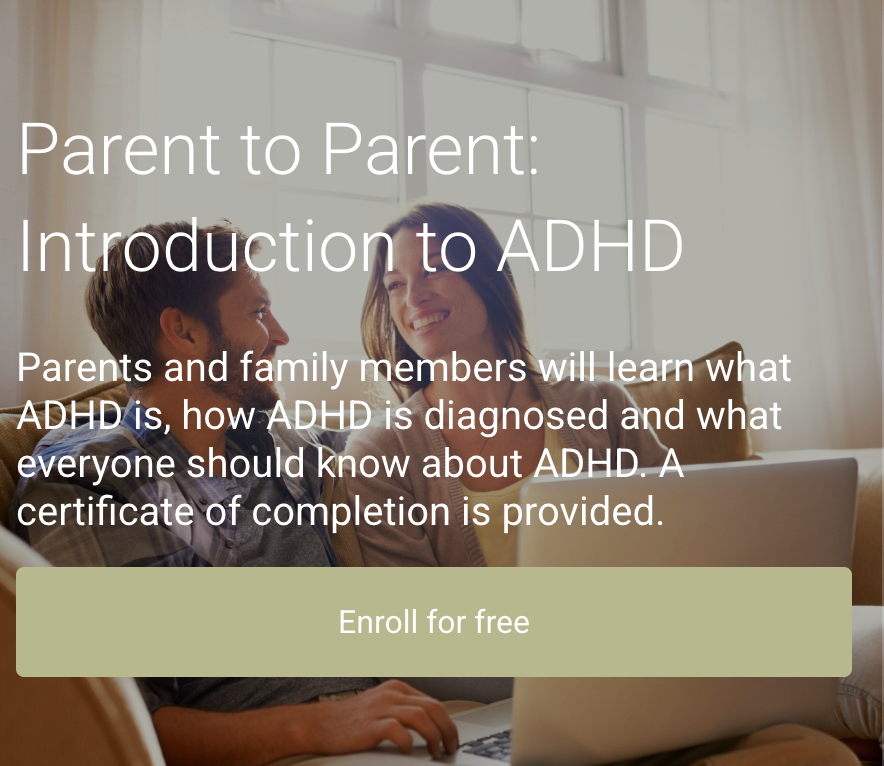
📖 Books for Parents:
- "The Explosive Child" – Ross W. Greene, Ph.D.
Focuses on understanding challenging behaviors and using collaborative problem-solving.
- "Taking Charge of ADHD" – Russell A. Barkley, Ph.D.
One of the best guides for parents; explains ADHD in children and offers practical behavior management strategies.
- "Parenting the Strong-Willed Child" – Rex Forehand & Nicholas Long
A 5-week program based on behavioral therapy techniques.
- "The ADHD Workbook for Kids" – Lawrence Shapiro, Ph.D.
Interactive exercises to help young children build self-regulation skills.
🎓 Online Resources & Parent Training Programs:
Free evidence-based training for parents: CDC ADHD Parent Resources
- CHADD (Children and Adults with ADHD) Parent Resources
Offers online courses, support groups, and behavioral management tips: CHADD Website
Fantastic website with ADHD-specific tips for school, home, and social skills: Understood ADHD Resources
Evidence-based behavioral therapy approach, available in many areas: Triple P Program
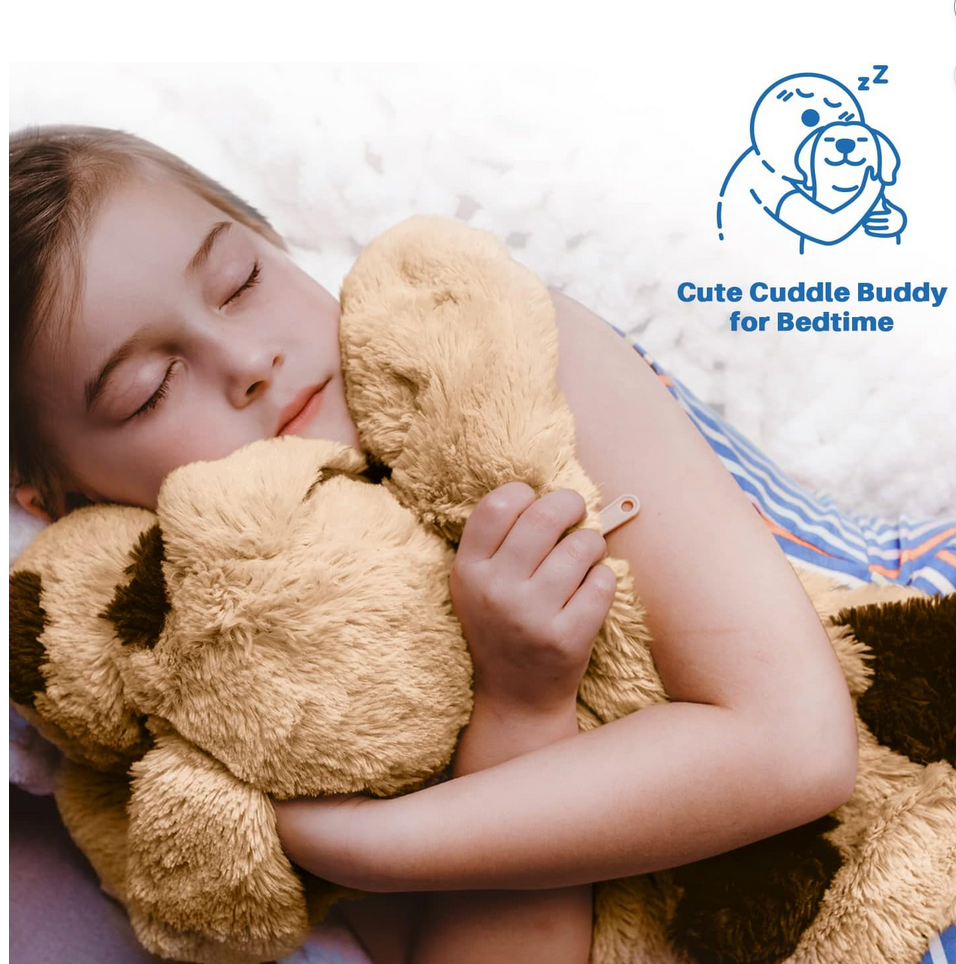
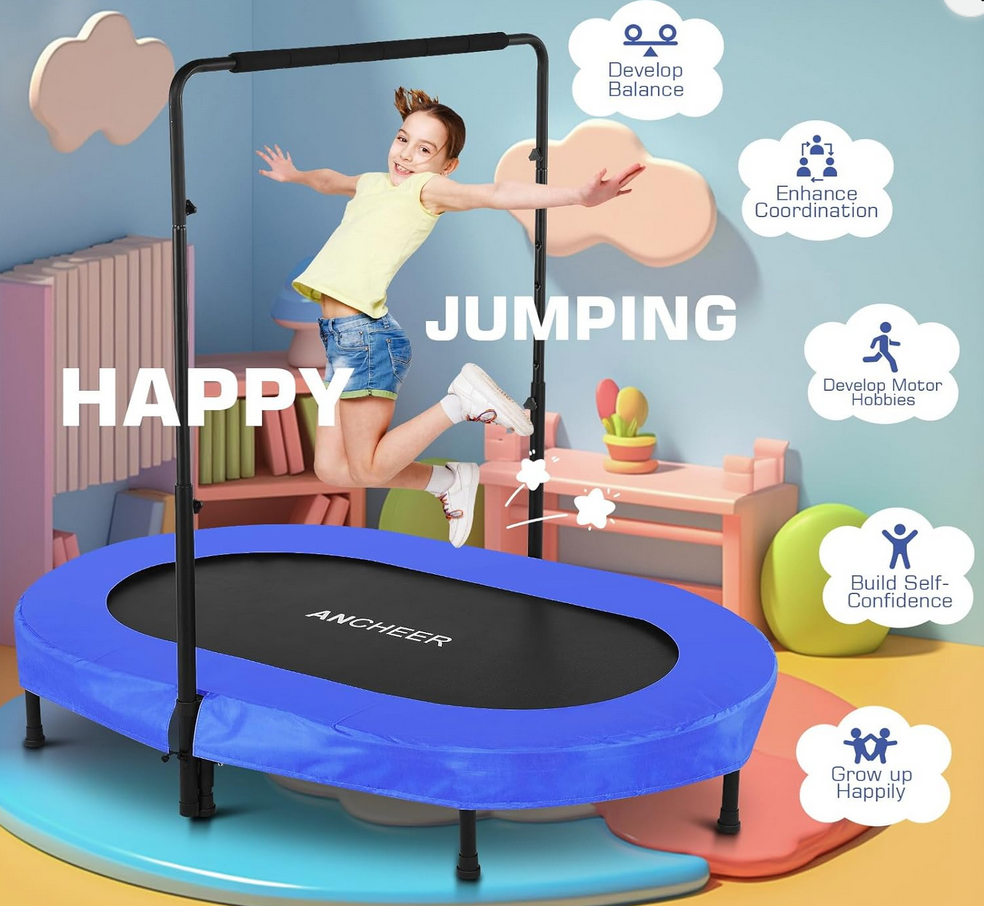
Adhd toys
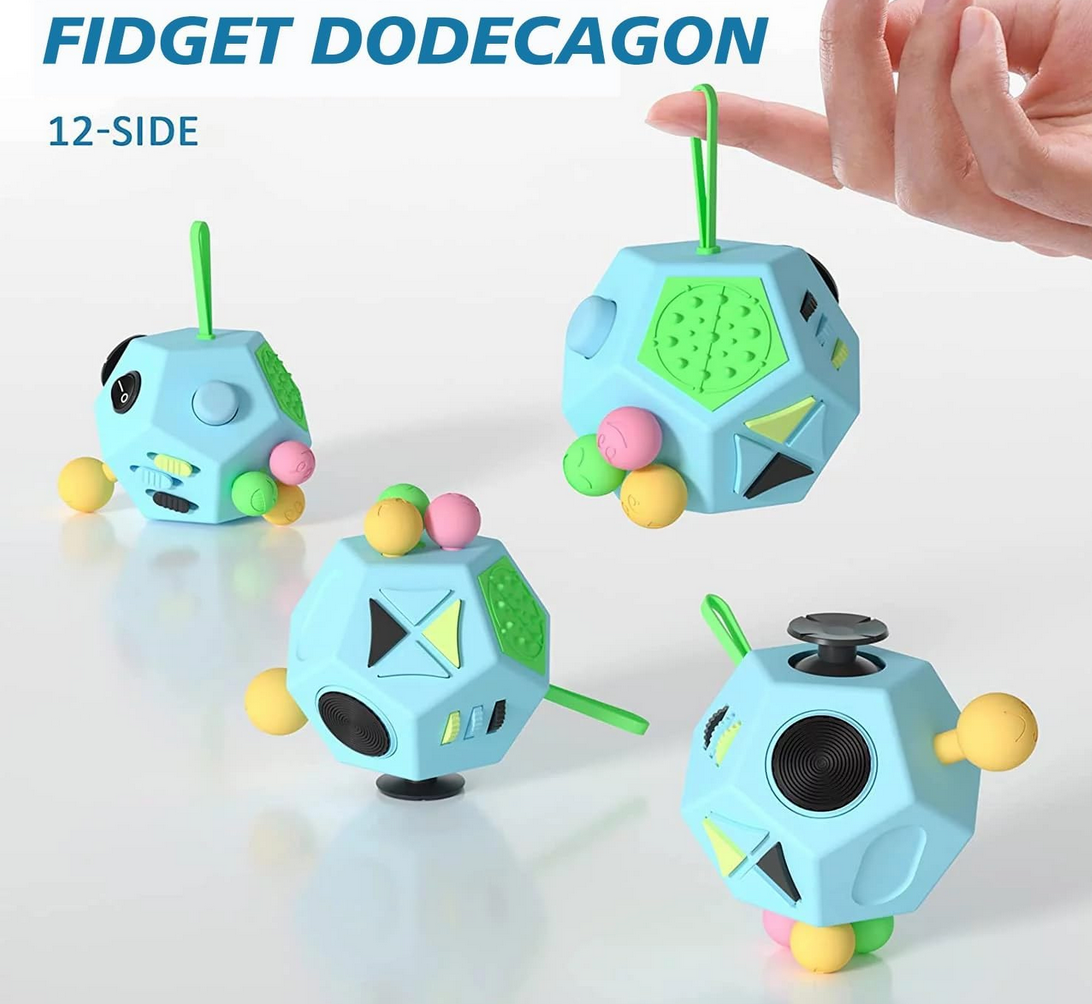
sensory hand fidget
Keep hands bust to increase focus and self regulation with this sensory hand fidget