From bump to baby
Pregnancy is a beautiful journey, but it can also bring many questions and new experiences. This space is designed to walk beside you every step of the way, offering gentle guidance from your first flutters to holding your baby in your arms. Here, you’ll find easy-to-understand information about each trimester, supportive tips for staying healthy, and helpful tools to prepare for birth and beyond. Think of this page as a calm, reassuring haven—where you can feel cared for, informed, and confident as you move from bump to baby.
growing, delivering, and breastfeeding a baby
Pregnancy is a journey of growth—for both mother and child, body, mind, and heart alike.
Postpartum care
Labor and delivery
Labor stages
First Stage: intense and frequent contractions of the uterine muscles to push the baby through birth canal.
Second Stage: "Pushing" stage, actively pushing baby through birth canal. Can last for hours.
Final Stage: delivery of placenta. The passage of the placenta out of the uterus through the vagina. The placenta leave a 10 inch wound inside the uterus that contributes to postpartum bleeding, lochia, and takes up to 6 weeks to heal.
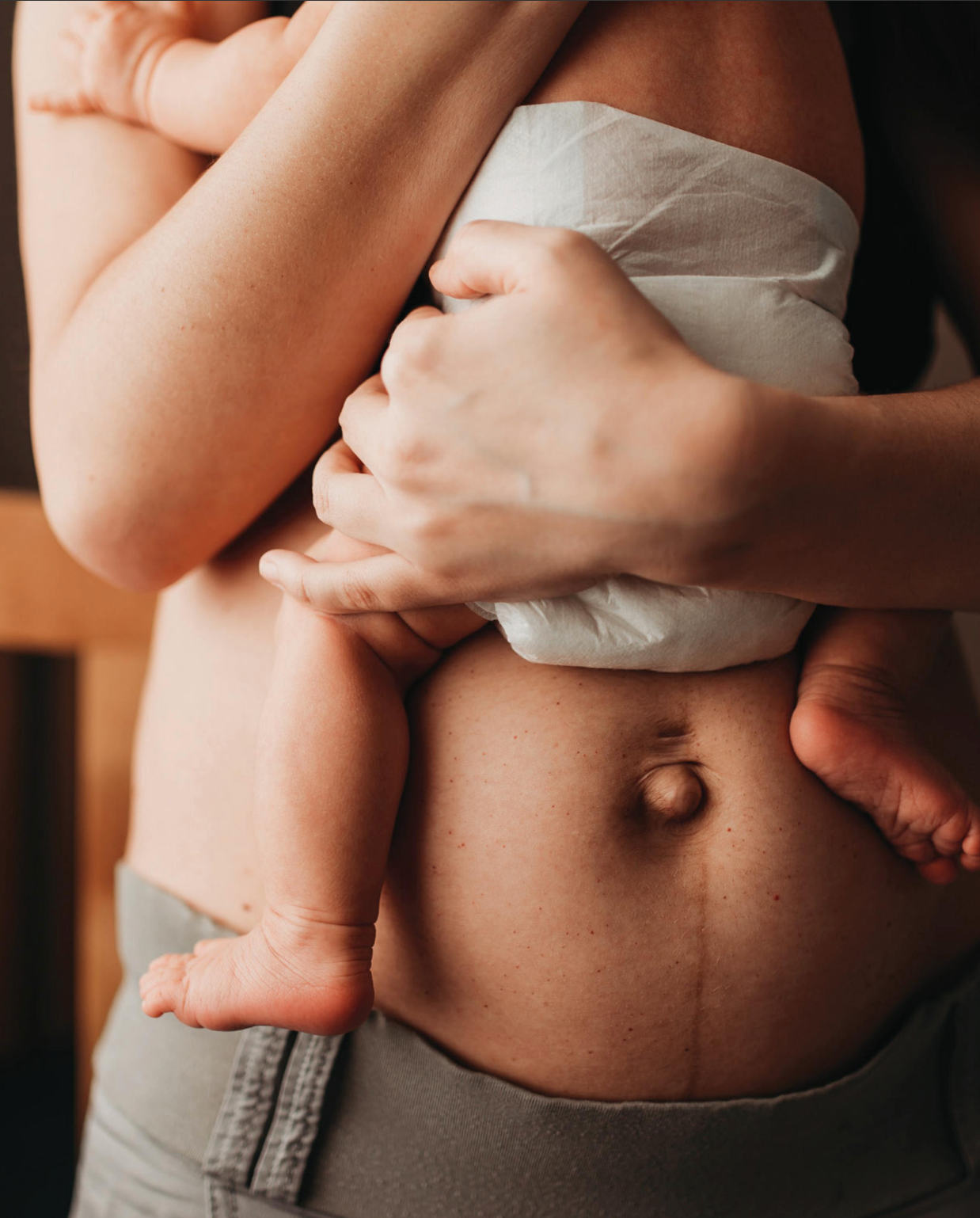
Vaginal Birth: perineum may stretch, tear, or require episiotomy. Average blood loss is 500 ml.
C-section: an incision is made through 7 layers of tissue. Recovery is longer hospital stays and more postoperative care. Average blood loss is 1,000 ml.
Postpartum bleeding can last several weeks. Pelvic floor muscles stretch in pregnancy and contract during labor and need time to heal.
Recovery
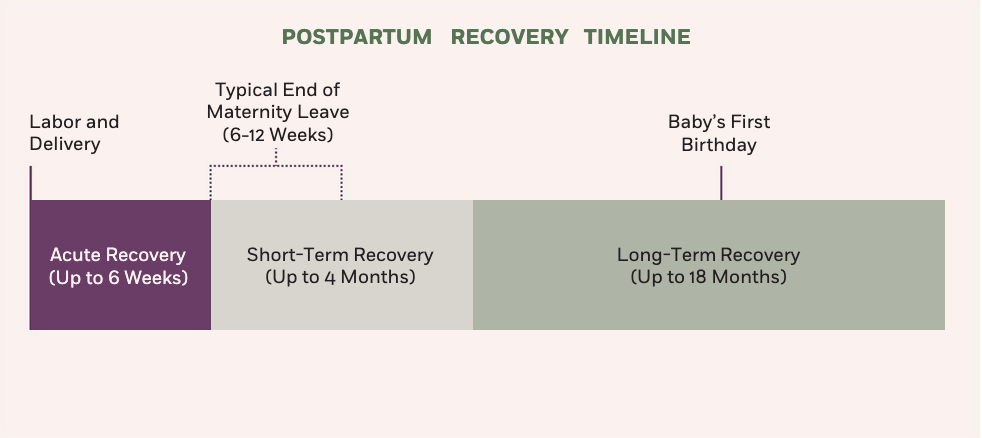
Acute
0-6 Weeks
Primarily Wound Healing from vaginal birth or C-section, and separation of the placenta from uterine wall.
Stages of Wound Healing
- Homeostasis: constrict & stop bleeding
- Inflammation: WBC clean up. Important nutrients: vitamin C, beta-carotene, and zinc
- Proliferation: Angiogenesis Important nutrients: protein, calories, vitamin C, and zinc.
- Remodeling: collagen production builds strength and elasticity of the tissue and skin.
Short-Term
6 Weeks-4 Months
Uterus returns to normal size and organs return to their usual position. Regaining muscle mass and function, demands of breastfeeding, hormone fluctuations, coping with disrupted sleep schedules. Hair falls out due to hormones but proper nutrition lessen the severity of hair loss.
Body replenishes nutrient depletion from pregnancy. Postpartum Depression starts 3 weeks after birth. Nutrient depletion driven depression symptoms are low levels of vitamin D, omega-3 and poor diet quality. Time to rebuild muscle mass and core strength. Walking will help regain muscle mass and mental health.
Long-term
4 Months-18 Months
Continue replenishing nutrients and rebuilding muscle mass. Engage in more recreational activity, breastfeeding, and addressing health issues from pregnancy.
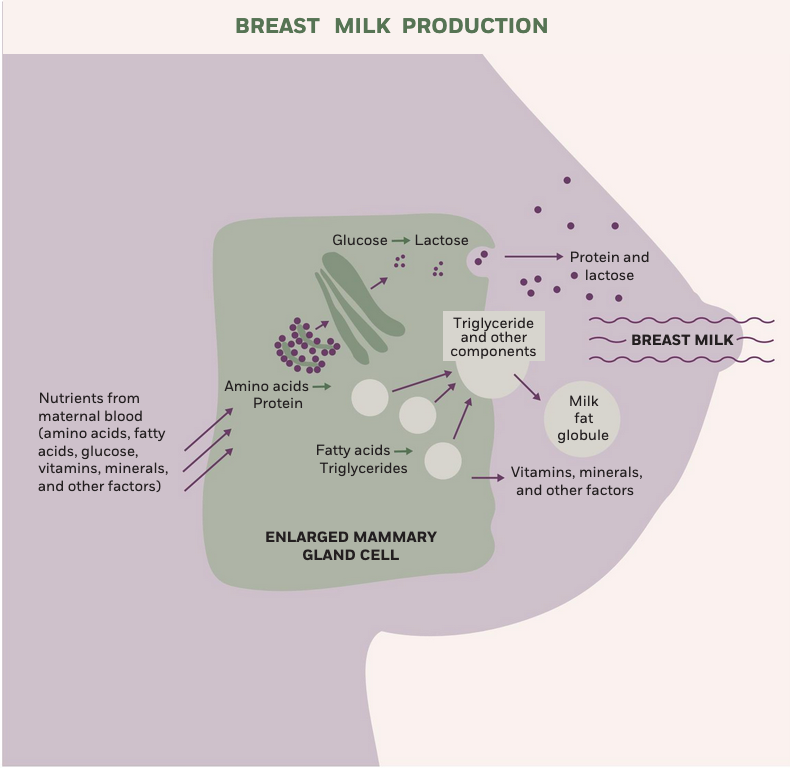
lactation
Body produces colostrum, nutrient dense milk that provides antibodies to support baby's immune system.
Breast milk provides all the necessary nutrients and components for a baby's growth and development up to 6 months of age.
The nutrients is derived from body's fat stores and the foods you consume. Hence if you eat poorly then baby has GERD, is fussy, and has colic.
Breastfeeding increases nutrient needs.
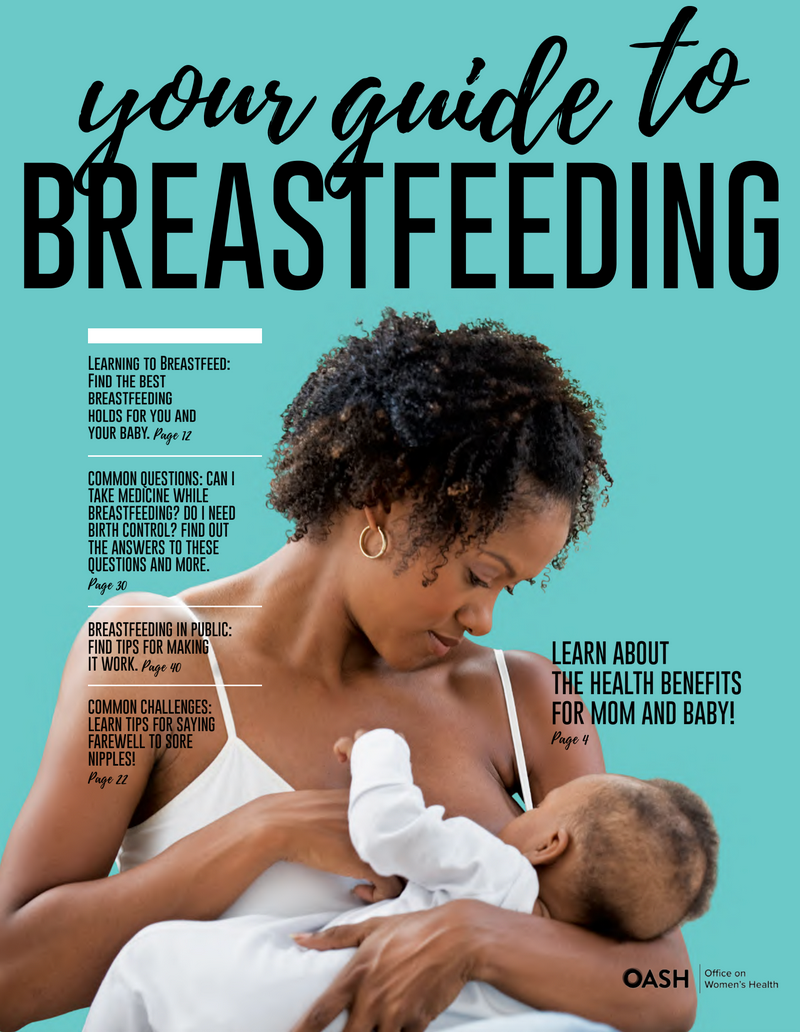
breast feeding guide
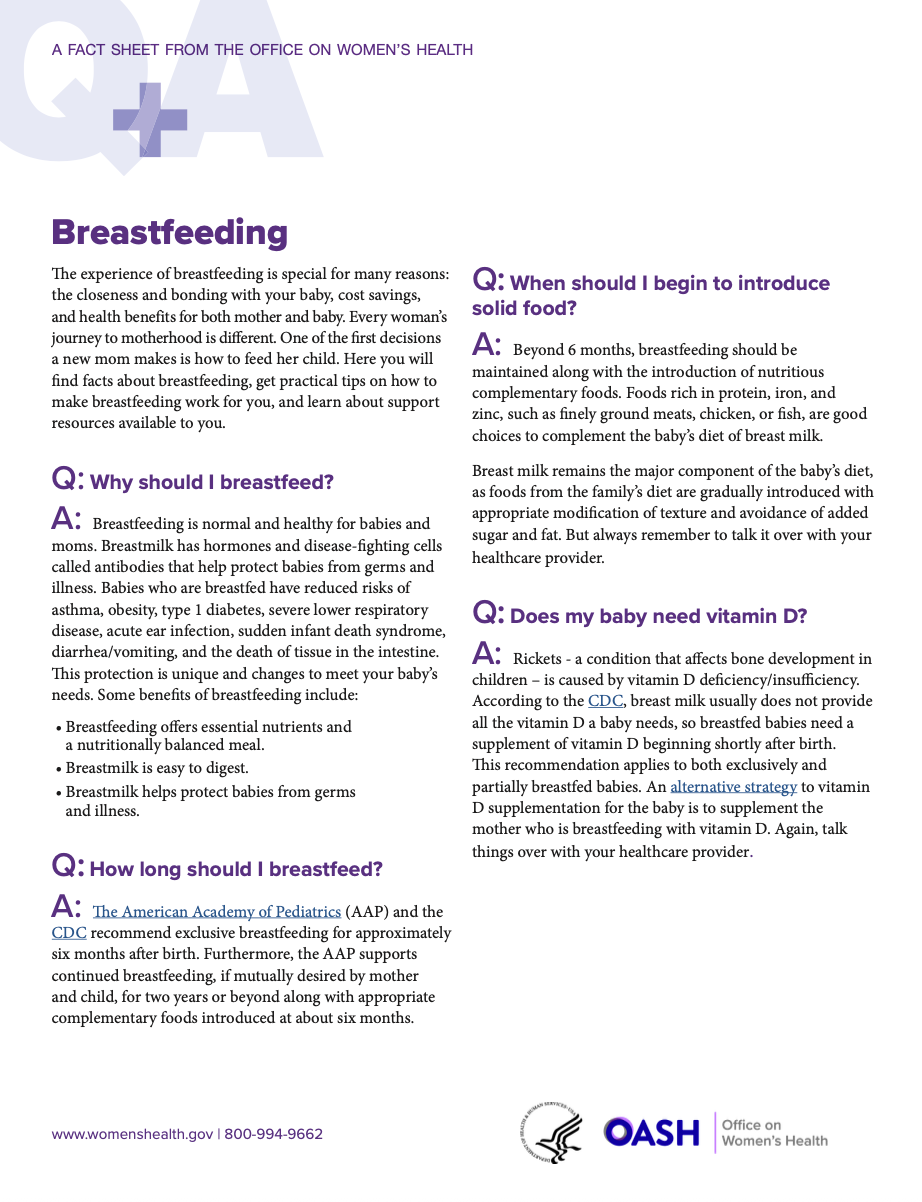
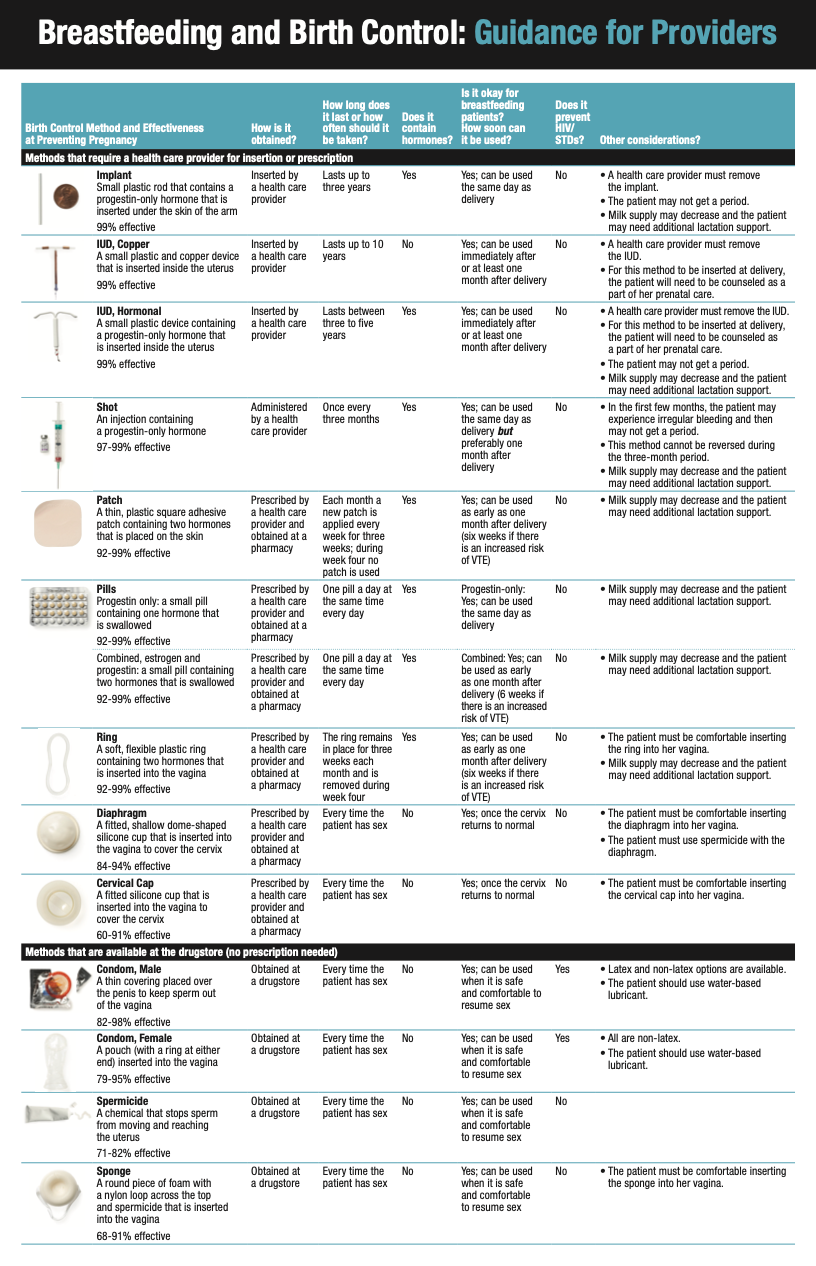
Common breast feeding questions
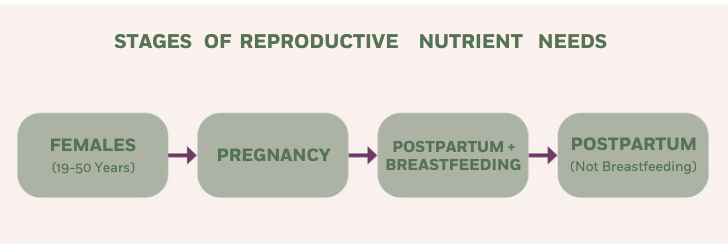
Nutrition that supports postpartum recovery and breastfeeding

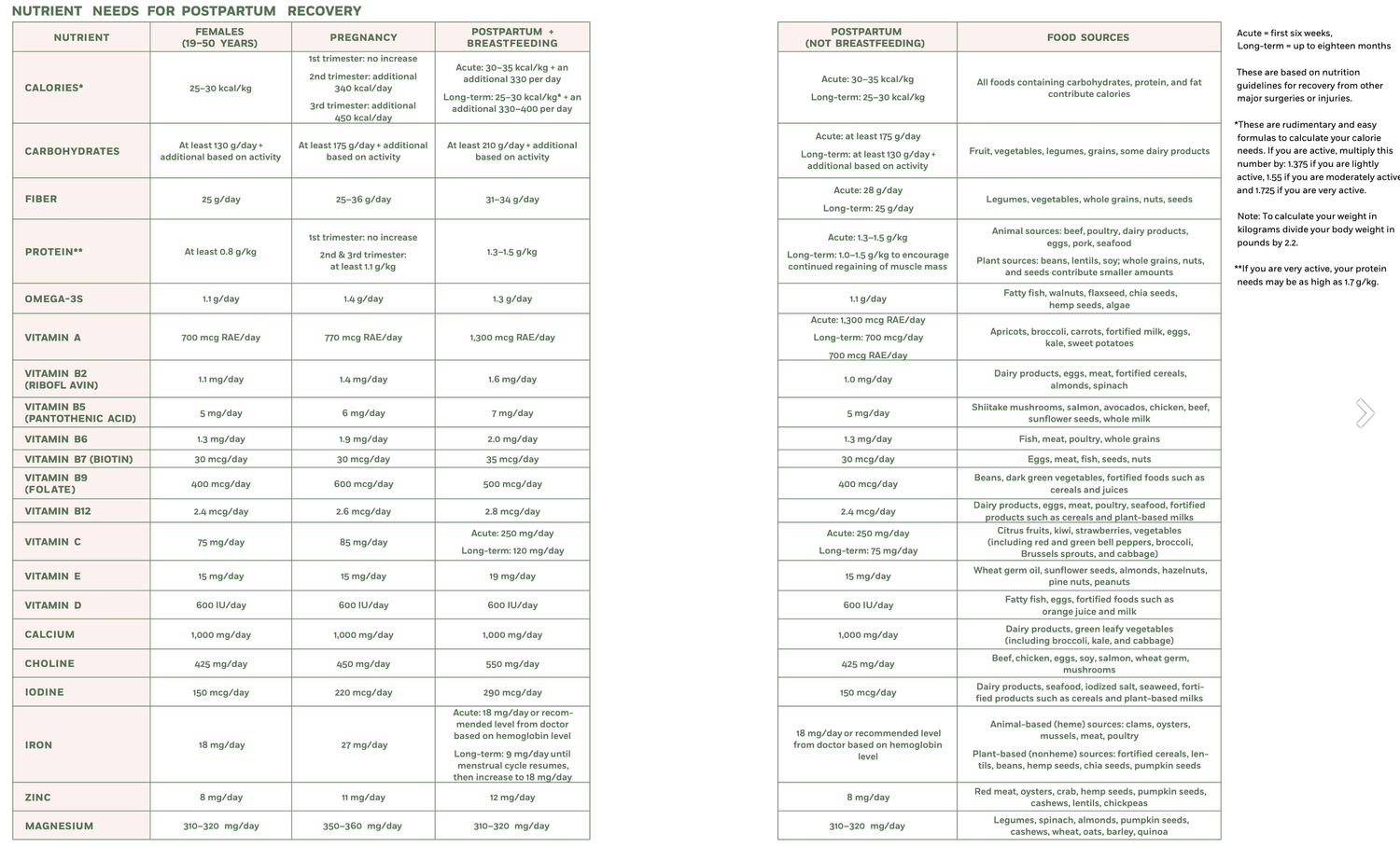
Calories and carbohydrates
Calories come from carbohydrates, proteins, and fat. Additional energy to rebuild tissue, heal wounds, and meet heightened energy needs. Inadequate calorie and carbohydrate intake slows wound healing and leads to muscle breakdown. Breast feeding utilizes more energy and calories. Its common to experience increased hunger. Breast feeding moms need an extra 500 calories a day to support energy needs required for milk production.
To calculate your body’s caloric needs, first convert your body weight to kilograms. To do this, simply divide by 2.2.
Ex: 150 lb / 2.2 = 68 kg
Next, multiply your weight in kilograms by 30–35.
Ex: 68 kg × 30–35 = 2,040–2,380 calories
So, a 150-pound woman needs 2,040 to 2,380 calories per day during acute recovery.
protein
Protein plays a role in muscle, strengthen bones and connective tissue. In addition, protein is required for the transportation of compounds in the body, the formation of hormones, the production of antibodies in our immune system, fluid regulation, and the production of enzymes.
Vaginal tears, episiotomies, C-sections, placenta wounds, and other aspects of pregnancy and childbirth all require healing during the postpartum period. Protein is so essential to wound healing that the requirements increase to 1.3 to 1.5 grams of protein per kilogram of body weight during acute recovery.
Protein needs remain elevated to between 1.0 and 1.5 grams per kilogram as the body continues to heal and muscle mass is regained throughout the long-term recovery phase. Light to moderate resistance training is also essential to regain muscle mass. Your protein needs may go up to 1.7 grams per kilogram if you are very active.
To calculate your protein needs, first convert your body weight to kilograms. To do this, simply divide by 2.2.
Ex: 150 lb / 2.2 = 68 kg
Next, multiply your weight in kilograms by 1.3–1.5.
Ex: 68 kg × 1.3–1.5 = 88–102 g
So, a 150-pound woman needs roughly 88 to 102 grams of protein per day.
Protein needs also increase during breastfeeding, primarily to support the baby's growth and development. Breast milk is rich in protein, which is crucial for an infant's rapid growth and brain development.
If you regularly exercise then consume 1.5 grams of protein per kilogram of body weight per day.
Sources: Animal-based sources of protein include beef, poultry, fish, shellfish, eggs, yogurt, and cottage cheese, while plant-based protein sources include lentils, beans, and soy products (tofu, soy milk, edamame, tempeh). Nuts, seeds, and whole grains also provide smaller amounts of protein.
fiber
In the initial weeks postpartum, constipation is quite common. Adequate intake of fiber, coupled with proper hydration, lubricates the gut and promotes natural elimination. It also reduces the downward pressure required for elimination, which is especially helpful while the pelvic floor and abdominal muscles recover.
Sources: whole grains, legumes, fruit, vegetables, nuts, and seeds.
fat & omega-3's
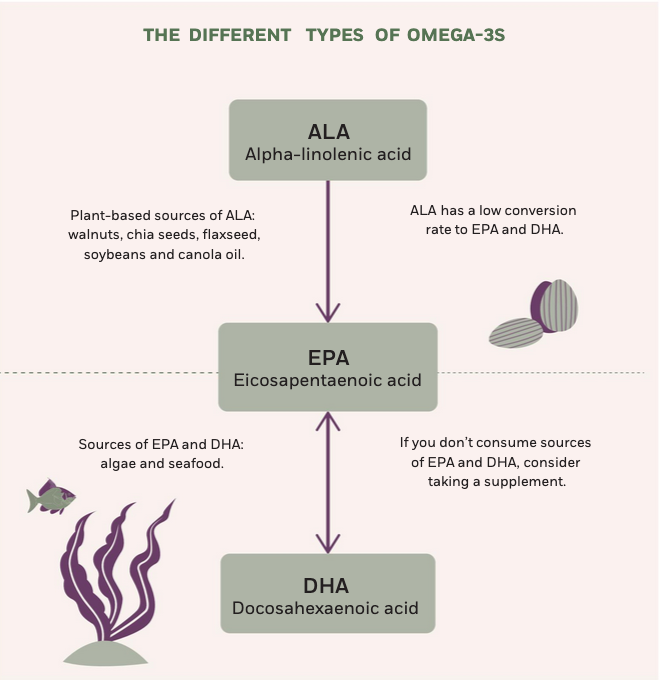
Fat is a significant energy source in the diet and the most efficient way to store energy (which is one reason we gain six to eight pounds of fat during pregnancy). Beyond providing energy, fat insulates our body from the cold and protects our internal organs. It's also required for the absorption of four essential fat-soluble vitamins: A, D, E, and K. Additionally, dietary fats provide essential fatty acids such as omega-3 and omega-6, integral components of every cell in our body. There are three main omega-3 fatty acids: alpha-linolenic acid (ALA), eicosapentaenoic acid (EPA), and docosahexaenoic acid (DHA). Notably, DHA plays a remarkably vital role in the developmental processes of the baby's brain, retina, and nervous system during pregnancy and infancy.
During the postpartum period, fat provides a concentrated source of energy for the body to use while recovering from pregnancy and childbirth and adjusting to the demands of caring for a newborn. Adequate fat intake also prevents protein, particularly from our muscles, from being used as an energy source. Failing to eat enough fat can contribute to low energy availability and slow wound healing. Notably, omega-3 fatty acids may also help to reduce the incidence, severity, and duration of postpartum depression.
Similar to its role in postpartum recovery, fat also provides energy for breastfeeding. What's more, omega-3 fatty acids are transferred to the baby through breast milk. Ensuring an adequate intake of omega-3 fatty acids, especially DHA, is essential for promoting optimal development in infants.
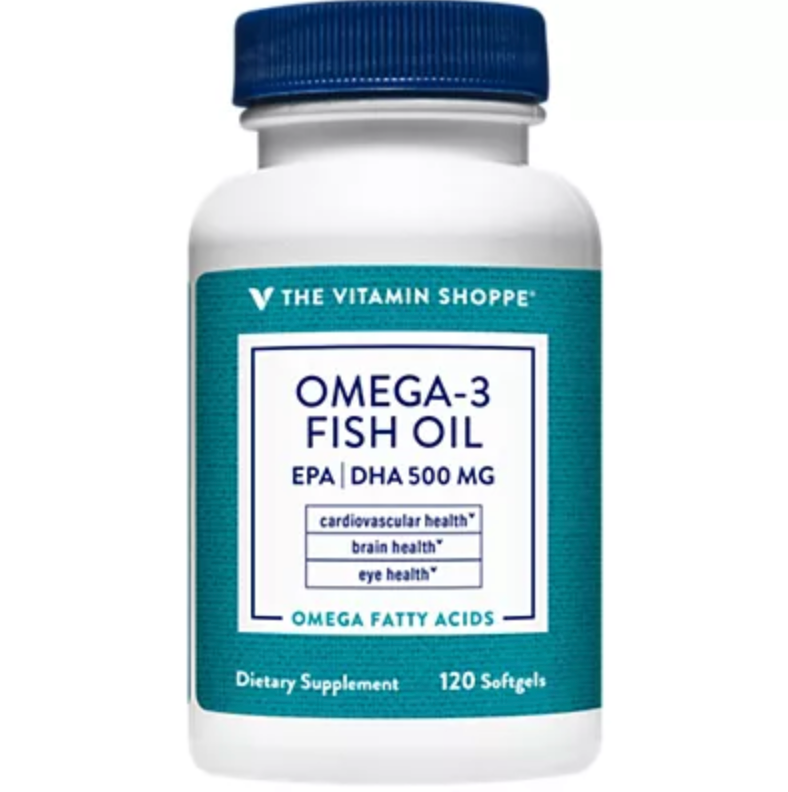
Sources: Healthy fats can be found in fatty fish, avocados, nuts, seeds, and olive oil. EPA and DHA are present in fatty fish such as salmon, tuna, mackerel, and trout. ALA is found in plant-based oils like chia, flaxseed, soybean, and canola oils, as well as in chia seeds, hemp seeds, flaxseed, and walnuts. While the body can convert ALA into EPA and then DHA, the process is inefficient. For individuals on a vegan diet or those who don’t eat fish, an algae-based DHA supplement may be a good option.
vitamin a
Vitamin A contributes to the body's natural wound-healing processes by supporting tissue repair and regeneration. It also maintains the health of the skin and mucous membranes. Notably, the form of vitamin A found in plants, beta-carotene, assumes a critical role in the body's antioxidant defense network, helping to support the inflammatory phase of wound healing.
The demand for vitamin A nearly doubles during breastfeeding, as infants rely on their mothers for this essential nutrient during their initial six months of life.
Sources:
Preformed vitamin A is highest in liver, fish, eggs, and dairy products.
Provitamin A forms, meanwhile, are found in leafy greens and red, orange, and yellow fruit and vegetables such as mangoes, cantaloupe, apricots, sweet potatoes, carrots, butternut squash, and pumpkin.
Vitamin B
B vitamins are a category of eight vitamins involved in energy metabolism—the conversion of energy from food into a form of energy that our cells can use. They all have other specific functions as well, ranging from red blood cell formation and neurotransmitter production to DNA synthesis. You may have heard of many of them: thiamin (B1), riboflavin (B2), niacin (B3), pantothenic acid (B5), vitamin B6, biotin (B7), folate (B9), and vitamin B12.
Although all B vitamins play crucial roles in postpartum recovery, B6 and B12 contribute significantly to replenishing blood loss from labor and after delivery. Vitamin B6 facilitates the synthesis of hemoglobin (a protein in red blood cells), while vitamin B12 supports the proper formation of red blood cells.
During lactation, your body needs more of all the B vitamins, with the exceptions of thiamin, niacin, and folate. Folate needs are elevated in pregnancy due to the development of the baby's neural tube that eventually becomes the brain and spinal cord.
Sources: Most plant and animal-based foods contain high amounts of B vitamins, except for B12, which is exclusively found in animal products. Optimal sources are whole foods, as B vitamins may degrade with high levels of processing. Fortified foods, especially grain-based products, can also serve as good sources of B vitamins. Mothers following strict vegetarian or vegan diets should take B12 supplements. Consult with your healthcare provider.
vitamin c
Most animals can make their own vitamin C, but humans and fruit bats cannot — we must get it from our diet. That’s why fruit is such an important source!
after childbirth, your body requires extra support to heal. Vitamin C, along with protein and zinc, is essential for collagen production, which helps repair tissues after a vaginal or C-section delivery. Collagen synthesis remains especially important during the first year postpartum. Additionally, vitamin C acts as an antioxidant, reducing inflammation and supporting the body’s natural recovery process.
Vitamin C needs increase by nearly 50% during breastfeeding. This nutrient is crucial for your baby’s immune system, as well as the development of healthy skin, bones, blood vessels, and connective tissue.
Sources: Fruits and vegetables are the richest sources of vitamin C. Top options include citrus fruits, kiwis, strawberries, bell peppers, broccoli, Brussels sprouts, and cabbage. To preserve vitamin C, try to enjoy these foods raw or lightly cooked, since heat can reduce vitamin C content extended heat exposure. If you plan to rely heavily on freezer meals during postpartum, be sure to add fresh sources of vitamin C.
vitamin e
Vitamin E’s primary role in the body is as part of the antioxidant defense network, specifically protecting the outer layer of our cells from damage caused by oxidative stress. It works with the support of vitamin C to stop the production of free radicals (unstable molecules that can cause cellular damage). Vitamin E also supports immune function, plays a role in preventing platelet aggregation, and dilates blood vessels.
Vitamin E needs increase by 25% during lactation. As with many other vitamins, this increased requirement is to compensate for the amounts secreted into breast milk.
Sources: Vitamin E is found in many plant foods, especially those that contain fat. Wheat germ, sunflower oil, and safflower oil are among the best sources. Sunflower seeds, almonds, hazelnuts, and peanuts are also good sources.
vitamin d
Vitamin D helps the body absorb calcium from the digestive tract. When calcium levels in the blood are low, the inactive form of vitamin D that is stored in the body is converted to the active form and signals the digestive tract to absorb more calcium from foods. Therefore, a deficiency in vitamin D can lead to a lower absorption of calcium and subsequent lower calcium availability in the body. During pregnancy and breastfeeding, adequate vitamin D and calcium are incredibly important for growing your baby’s bones and teeth. As a fat-soluble nutrient, vitamin D requires fat for absorption.
Vitamin D plays a vital role in the postpartum period by helping your body absorb calcium to maintain strong bones and healthy mineral density. Adequate levels of vitamin D after birth are also linked to a lower risk of postpartum depression and faster recovery.
Importance During Breastfeeding
Breast milk alone does not provide enough vitamin D for infants, which makes supplementation essential. The Dietary Guidelines for Americans and the American Academy of Pediatrics recommend that breastfed or partially breastfed babies receive 400 IU of vitamin D daily, beginning within the first few days of life. Mothers may also need to supplement to ensure adequate levels in their breast milk. Higher doses, such as 6,000 IU per day, may sometimes be required under medical guidance. Without proper supplementation, prolonged exclusive breastfeeding can increase the risk of rickets in infants.
Sources: Fatty fish (like salmon, tuna, and mackerel) and fish liver oils are the best natural sources. Some foods—such as orange juice, milk, and cereals—are fortified with vitamin D.
calcium
The function of calcium is bone mineralization and maintenance, blood clotting, the transmission of nerve impulses, and voluntary and involuntary muscle contractions. During pregnancy, calcium is used to form the baby’s bones and teeth. Did you know that babies have all of their baby teeth when they are born? It just takes them a few months to pop through the gums.
Supplementation with calcium may help to reduce the risk of preeclampsia in those with a low calcium intake. This should be discussed with your healthcare provider.
During postpartum healing, any calcium lost from your bones can be regained by eating enough to meet your needs.
Sources: Dairy products such as milk, cheese, and yogurt are good sources of calcium, but they are not the only sources. Plant-based milks, such as almond or soy, which are fortified with calcium, often contain more calcium per serving than dairy products. Vegetables such as broccoli, kale, and cabbage are good sources, too. Lastly, canned sardines and salmon contain soft bones that also contribute calcium.
Choline
Choline is a component of the outer structure of every cell in the body. It is also needed to produce acetylcholine, a neurotransmitter essential for the development of a child's brain and nervous system during pregnancy and infancy.
Shockingly, 90 to 95% of pregnant and nursing women fall short of the recommended daily intake of choline, as many prenatal supplements lack this nutrient. Lactating mothers should prioritize adequate choline intake through diet or supplementation for both their well-being and that of the baby.
Sources: Animal-based products, especially eggs and liver, are particularly rich in choline. Other dietary sources include soybeans, tofu, cruciferous vegetables, kidney beans, nuts, seeds, and whole grains.
Supplement with prenatal vitamins that contain choline if you are pregnancy or breastfeeding
iodine
Iodine is required for the production of thyroid hormones, as well as the proper development of the skeletal and nervous systems in utero and during infancy. Thyroid hormones influence many biochemical reactions and play a role in determining metabolic requirements.
Iodine requirements notably increase while breastfeeding to support the cognitive development of the baby, and a significant number of pregnant and lactating women in the United States do not meet the necessary iodine requirements. While breast milk contains iodine, its concentration varies depending on maternal iodine levels. Exclusively breastfed infants rely on maternal iodine for their development.
Sources: Iodized salt, or table salt, is fortified with iodine. Seaweed, including kelp, nori, kombu, and wakame, are among the richest food sources of iodine since iodine comes from the sea. Fish and seafood such as cod and oysters are also good iodine sources, as are eggs. Dairy products generally contain iodine, but the content will vary based on whether the cows received iodine feed supplements and whether iodophor-sanitizing agents were utilized in cleaning the cows and milk-processing equipment.
One simple way to ensure adequate iodine intake is to use iodized salt. Sea salt, Himalayan salt, Kosher salt, and other specialty salts are not fortified with iodine and are, therefore, not good sources.
iron
Iron plays diverse roles in the body, including metabolizing energy, producing neurotransmitters, maintaining immune function, and metabolizing alcohol and drugs. Most notably, though, iron is a key component of hemoglobin and myoglobin, the compounds in red blood cells and muscle cells, respectively, that are responsible for transporting oxygen in the bloodstream.
Women usually lose about two cups of blood during vaginal birth or about four cups after a C-section! Plus, after pregnancy, the separation of the placenta from the uterine wall leaves an internal wound roughly the size of a dinner plate, which causes bleeding, called lochia, that can last for weeks following delivery. While there are no formal recommendations to increase iron intake after delivery, iron needs are likely higher during the acute recovery phase to help replenish red blood cells lost during labor and after delivery. Iron supplements may be recommended by your healthcare provider. Low or deficient levels of iron can cause shortness of breath, fatigue, rapid heartbeat, and lightheadedness.
After lochia has stopped and your hemoglobin level is within the normal range, your iron needs decrease significantly. Until your period resumes, your iron needs are similar to the requirements of men and postmenopausal women. Once your period resumes, it is important to increase your iron intake to replenish the red blood cells lost in your monthly cycle.
Babies are born with significant iron stores that fulfill their needs for roughly six months. Breast milk provides highly bioavailable iron, but in insufficient quantities to meet the baby’s iron needs after six months. This is why foods, in particular iron-rich foods, should be introduced at around six months.
Sources: Iron from food comes in two forms: heme and nonheme. Heme iron is more easily absorbed than nonheme iron, although nonheme iron can still be utilized to meet iron needs. Dietary sources rich in heme iron include red meat such as beef, bison, and lamb, and seafood such as clams, oysters, mussels, octopus, and whelk. Nonheme iron, on the other hand, is found in plants such as hemp seeds, pumpkin seeds, beans, lentils, peas, and fortified grain products.
The absorption of nonheme iron can be enhanced by pairing it with vitamin C-rich foods, such as citrus fruits.
Zinc
Zinc is a heavily utilized mineral in the body and participates in nearly every chemical reaction. Some of its critical roles include DNA synthesis, the formation of hemoglobin to carry oxygen throughout the body, bone and collagen formation, and immune function, as well as supporting reproduction, growth, and development.
Zinc is important in all stages of wound healing. It is required for protein synthesis, which includes creating new collagen used in connective tissues in the skin and muscle. It also participates in cell proliferation, contributing to the formation of new cells necessary for tissue repair and resumed blood flow. Despite its necessity, research does not support supplementation with zinc. Meeting your dietary requirements during postpartum should be sufficient to support wound healing.
The need for zinc increases by 4 milligrams per day during lactation compared to prepregnancy. Zinc concentrations in breast milk are at their highest in the first month after birth, then drop by 75% by the ninth month. Due to this significant decrease, human breast milk is insufficient to meet an infant’s zinc requirement after the age of six months, and therefore, it must be sourced from food.
Sources: The top sources of zinc are meat, shellfish (oysters are the best source), legumes, nuts, and seeds. Additionally, fortified breakfast cereals, oats, and pumpkin seeds are other good sources of zinc.
Water and hydration
Adequate hydration is crucial during postpartum period as it aids in tissue repair by providing oxygen and nutrients to tissue and replenishing fluids lost. It also prevents constipation.
To calculate how much fluid you need each day, first convert your body weight to kilograms. To do this, simply divide by 2.2.
Ex: 150 lb / 2.2 = 68 kg
Next, multiply your weight in kilograms by 30–35.
Ex: 68 kg × 30–35 = 2,040–2,380 mL
So, a 150-pound woman needs 2,040 to 2,380 mL, or 8 ½ to 10 cups, of liquid per day.
Staying hydrated ensures a healthy milk supply. Breast feeding moms aim for 16 cups of fluids each day from food and drink.
Books
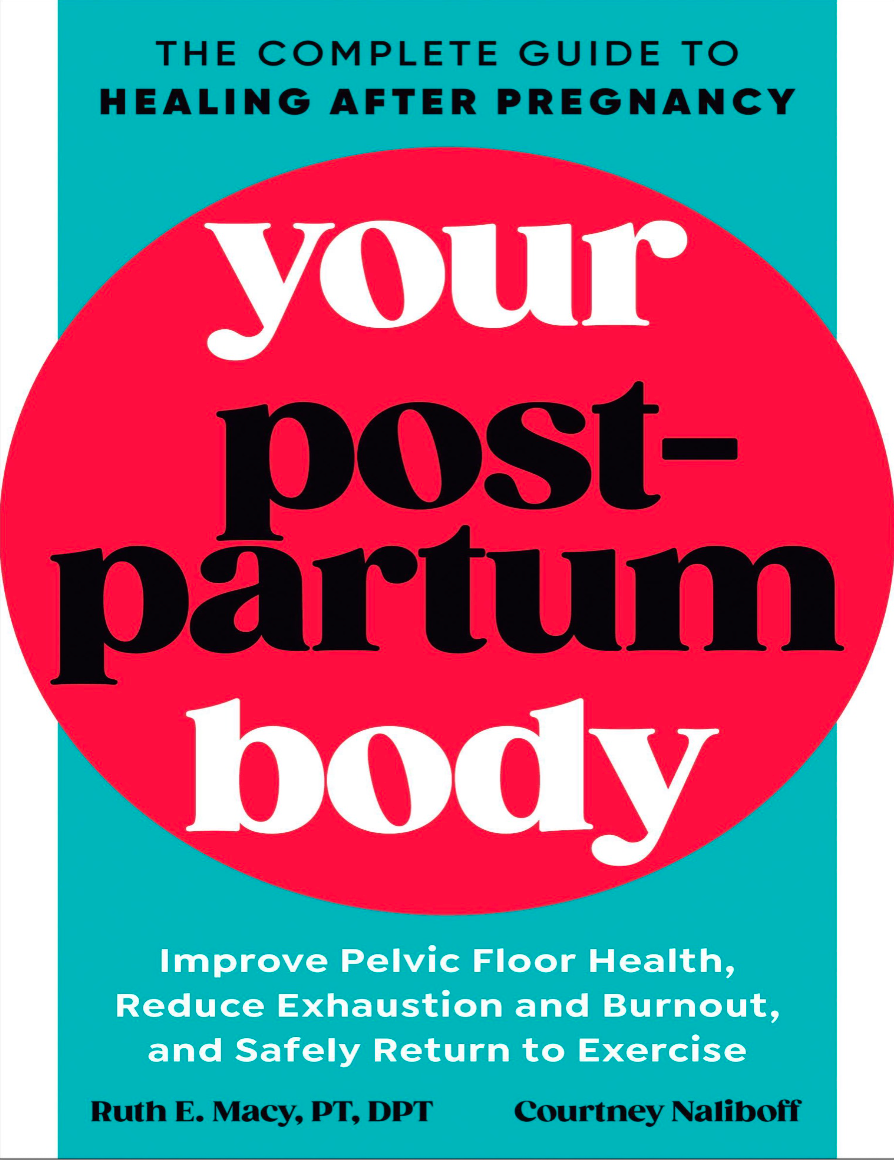
your postpartum body
Written by a pelvic floor physical therapist who wants you to know that you can feel like yourself again-physically and mentally
The bump plan
practical, expert-led, straight-talking guide to exercising during pregnancy and post-birth.
The Postpartum Nutrition Cookbook - by Diana Licalzi & Ashley Reaver
Eat to feed
PPT's