Welcome to Your Skin, hair & nails Best Friend
This website is dedicated to providing you with the knowledge and education you need to understand your skin and care for it properly. Whether you're looking for insights into common skin, hair and nail conditions, tips for maintaining a healthy complexion, or learning about the latest dermatological treatments, you’ll find trusted, evidence-based information here. My goal is to empower you with the resources and education to feel confident in your skin and make informed decisions about your skincare journey.
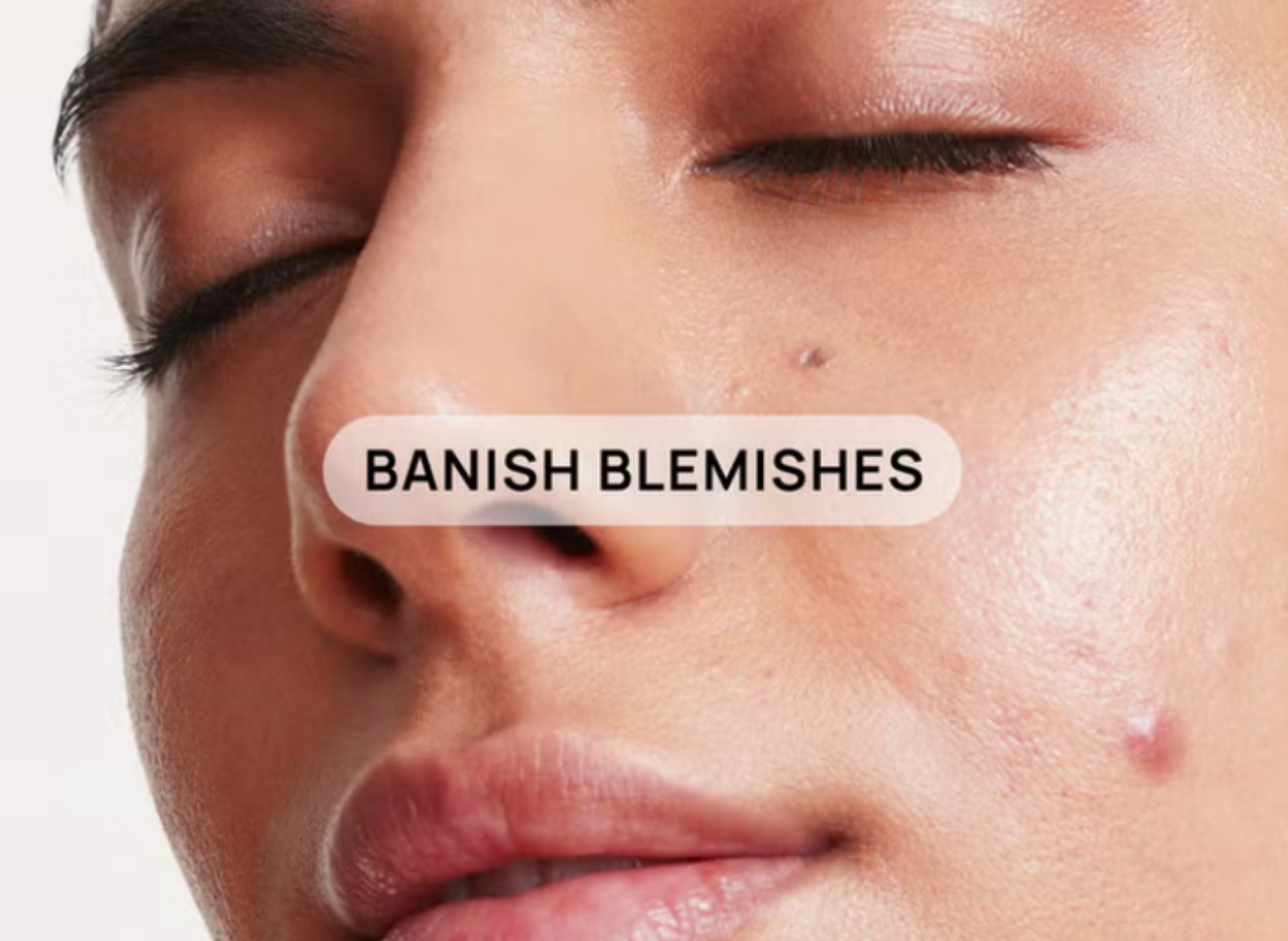
Acne vulgaris
What is Acne Vulgaris?
Acne vulgaris is a common skin condition that affects people of all ages, particularly teenagers and young adults. It occurs when hair follicles become clogged with oil (sebum), dead skin cells, and sometimes bacteria. This leads to the formation of pimples, blackheads, whiteheads, cysts, or nodules, which can appear on the face, chest, back, shoulders, and neck.
Causes of Acne Vulgaris
Excess Oil Production: Sebaceous glands produce too much oil, which can clog pores.
Dead Skin Cells: These cells can accumulate and mix with oil, blocking hair follicles.
Bacteria: Propionibacterium acnes bacteria can thrive in clogged pores and cause inflammation.
Hormonal Changes: Hormones, especially during puberty, pregnancy, or menstruation, can trigger oil production.
Genetics: Family history plays a role—if your parents had acne, you may be more likely to develop it.
Medications: Certain drugs, like steroids, may increase acne risk.
Stress: While stress doesn’t directly cause acne, it can trigger flare-ups in some individuals.
Types of Acne Lesions
- Comedones: Blocked pores. These can be either:
- Blackheads: Open comedones where the plug is exposed to air and turns dark.
- Whiteheads: Closed comedones where the pore is fully blocked.
- Papules: Small, red, raised bumps that may be tender.
- Pustules: Pimples that are red with a white center filled with pus.
- Nodules: Large, painful lumps deep under the skin.
- Cysts: Deep, painful, pus-filled lumps that can cause scarring.
How to Manage Acne Vulgaris
- Cleansing: Gently wash your face twice daily with a mild cleanser to remove excess oil and dirt. Avoid scrubbing, as it can irritate the skin and worsen acne.
- Topical Treatments:
- Benzoyl Peroxide: Kills bacteria and helps reduce inflammation.
- Salicylic Acid: Exfoliates dead skin cells and keeps pores clear.
- Retinoids: These help to unclog pores and reduce oil production. Topical retinoids, like tretinoin, are often prescribed.
- Clindamycin: If your acne is caused by bacteria, topical antibiotics are recommended to reduce inflammation.
- Oral Medications:
- Oral Antibiotics: These help to reduce bacteria and inflammation in moderate to severe cases.
- Hormonal Treatments: Birth control pills may be used for women with hormone-related acne.
- Isotretinoin- Accutane: In severe cases of acne that don't respond to other treatments, isotretinoin (Accutane) may be prescribed to reduce oil production.
- Avoid Scrubs, Picking and Squeezing: Squeezing pimples can introduce bacteria and lead to scarring.
- Non-comedogenic Products: Choose skincare and makeup products labeled as “non-comedogenic,” which means they won’t clog your pores.
Morning ROUTINE
- Cleanser:
- Option 1 (for oily skin): Use Neutrogena Salicylic Acid Face Wash (orange bottle). This helps to remove excess oil and prevent clogged pores.
- Option 2 (for oily skin): Use Panoxyl Benzoyl Peroxide (5% for face, 10% for body) to reduce bacteria and inflammation.
- Option 3 (for dry skin): Use La Roche-Posay Gentle Cleanser to gently cleanse without stripping moisture.
- Treatment: Acne (Face and Body): Apply a pea-sized drop of Clindagel to your face, chest, and back. This helps reduce inflammation and bacteria that cause acne.
- Moisturizer: Use La Roche-Posay Moisturizer for both the face and body. This brand is non-comedogenic and suitable for acne-prone skin.
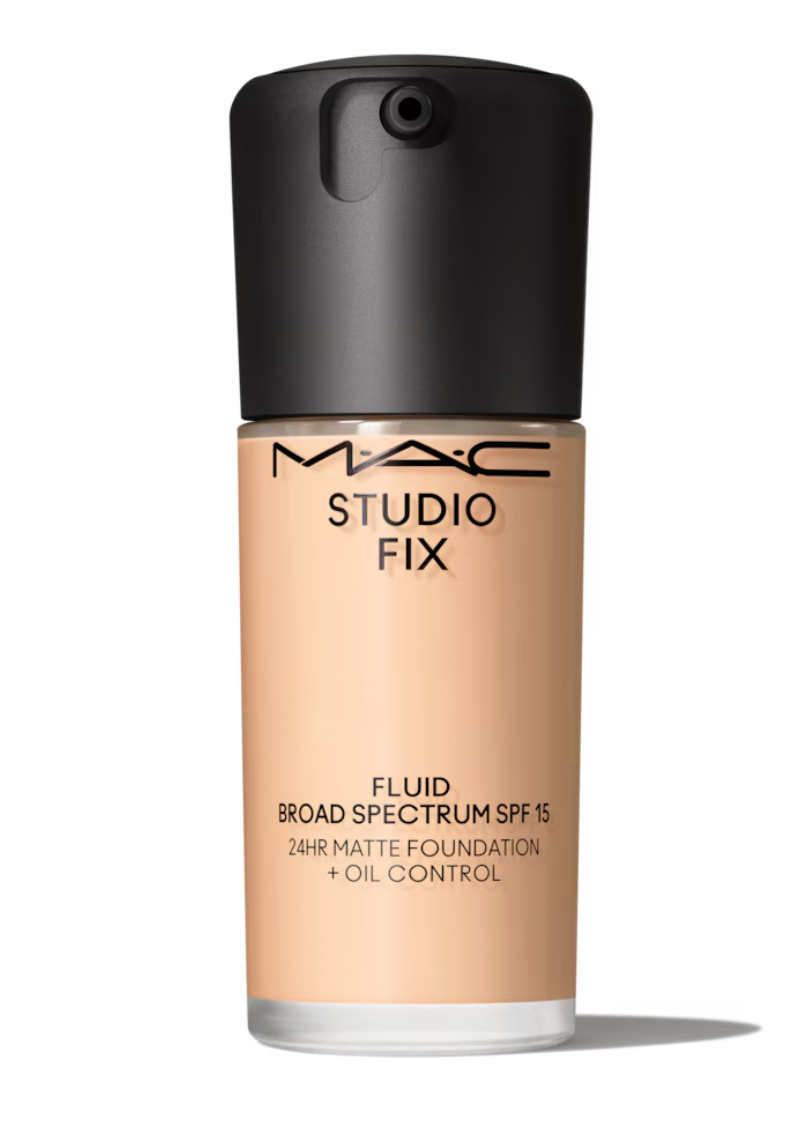
- Out Of Site Out Of Mind: Makeup is okay to use if it helps prevent touching or picking at acne. Just ensure it’s non-comedogenic.
- Hydrocolloid Acne Pimple Patch
night ROUTINE
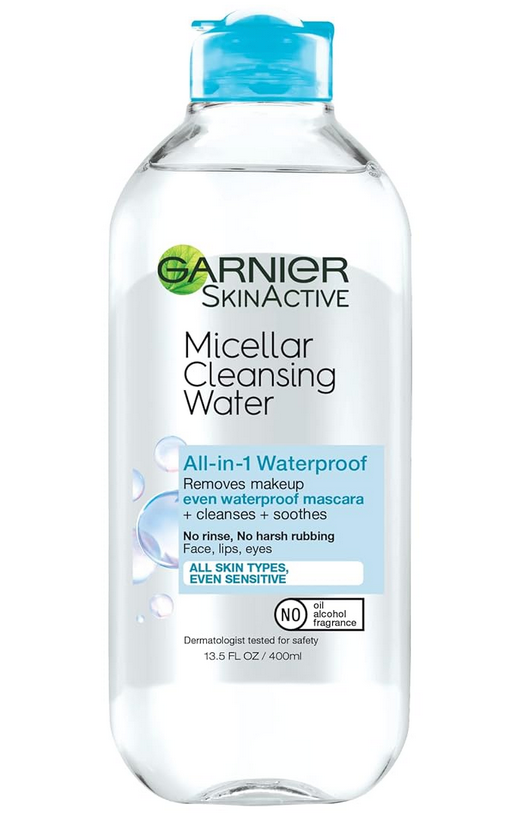
- Makeup Remover:
- Use Garnier Micellar Makeup Remover to thoroughly remove any makeup, dirt, and oil from the day.
- Cleanser:
- Option 1 (for oily skin): Use Neutrogena Salicylic Acid Face Wash again to clear any oil buildup throughout the day.
- Option 2 (for oily skin): Use Panoxyl Benzoyl Peroxide (5% for face, 10% for body) to reduce bacteria and inflammation.
- Option 3 (for dry skin): Use La Roche-Posay Gentle Cleanser to wash off impurities gently.
- Treatment: Acne & Hyperpigmentation (Face and Body): Apply Tretinoin Cream as a spot treatment on areas with hyperpigmentation or acne. Tretinoin promotes cell turnover, which helps with fading dark spots over time.
- Moisturizer: Use La Roche-Posay Moisturizer for the face and body to hydrate the skin after treatments.
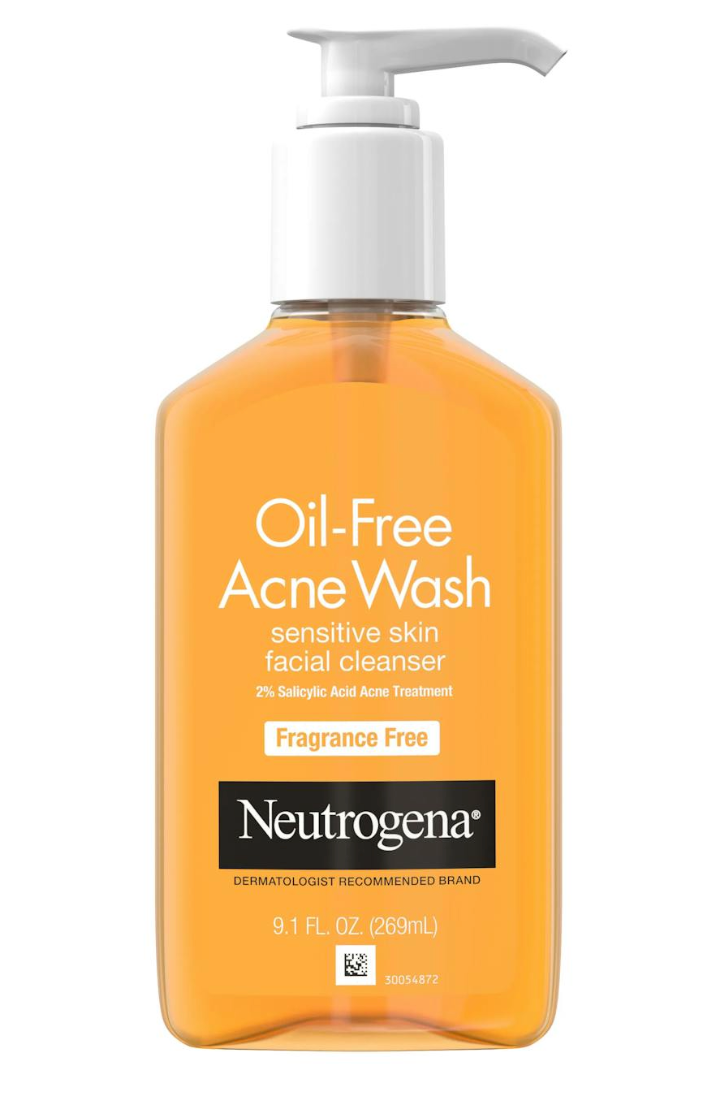
Neutrogena
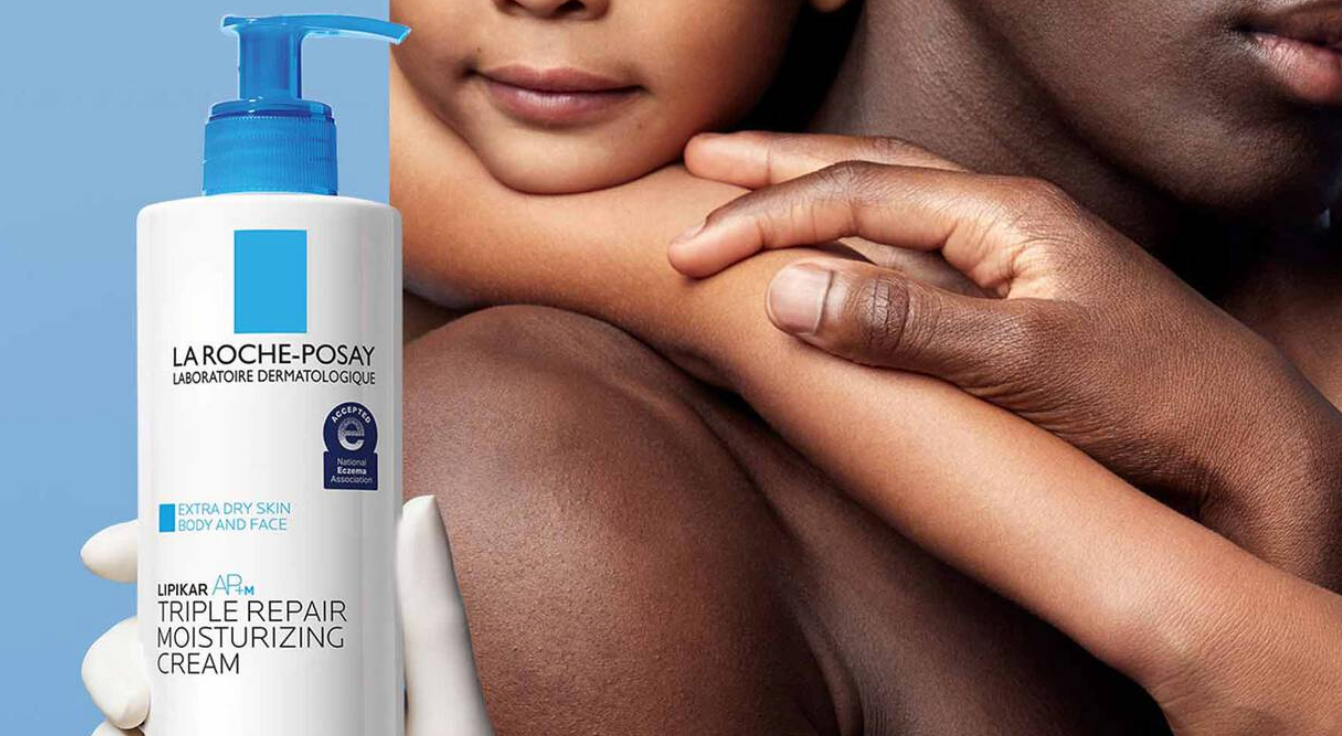
La Roche-Posay
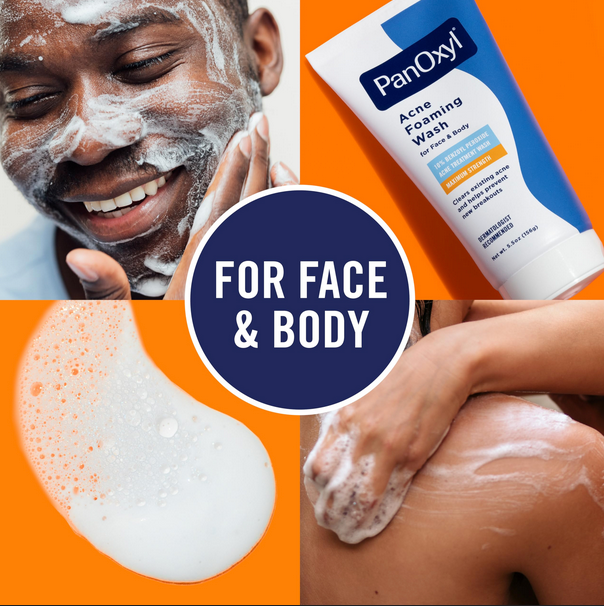
Panoxyl

Rosacea
What is Rosacea
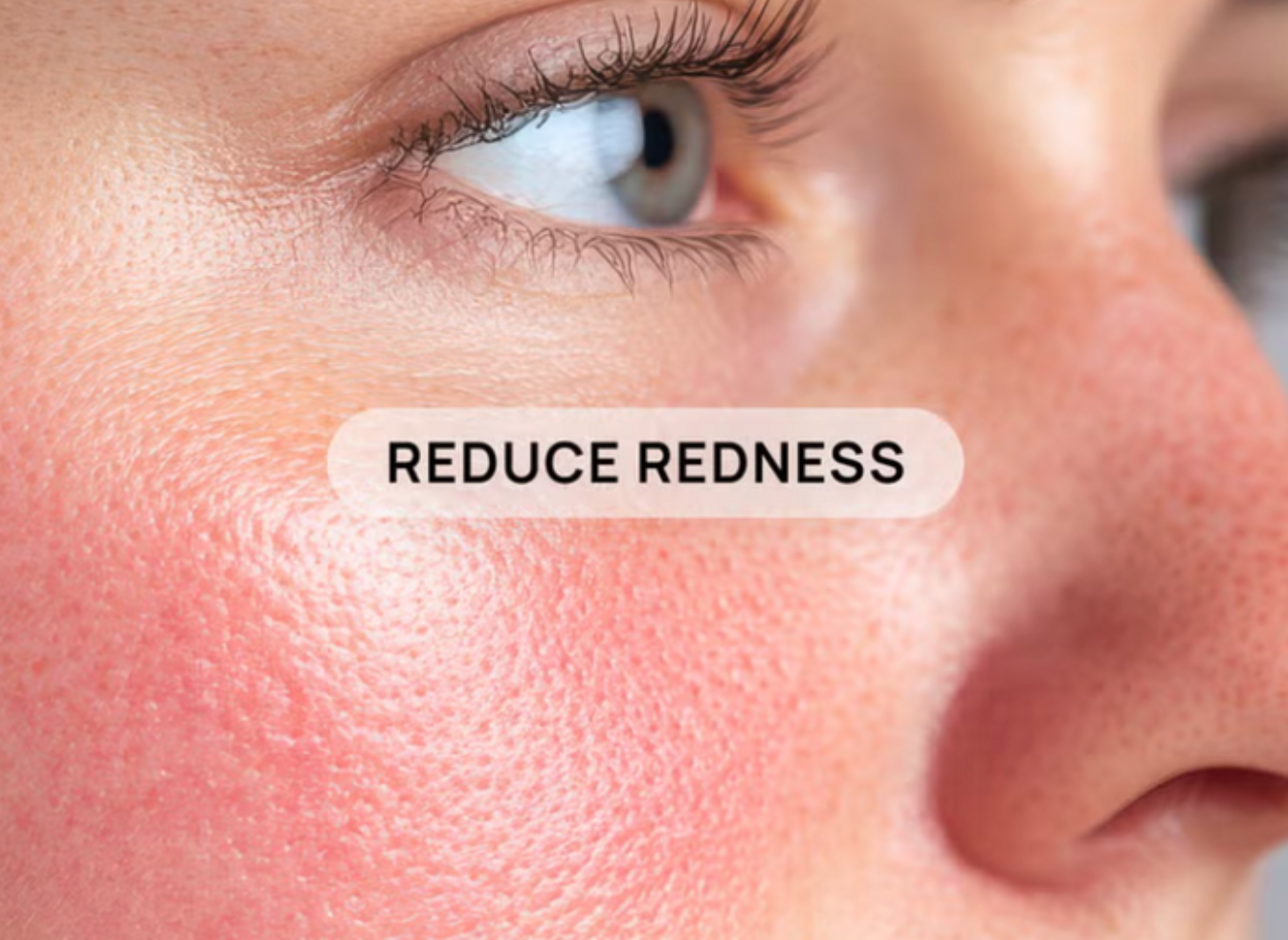
Rosacea is a chronic skin condition that primarily affects the face, causing redness, visible blood vessels, and sometimes small, pus-filled bumps. While the exact cause is unknown, it is believed to be linked to genetic, environmental, and immune system factors. There is no cure for rosacea, but symptoms can be managed with proper care.
Common Symptoms
- Persistent facial redness (especially on the cheeks, nose, forehead, and chin)
- Visible blood vessels (telangiectasia)
- Acne-like breakouts
- Eye irritation (ocular rosacea)
- Burning or stinging sensations
- Skin thickening, especially on the nose (rhinophyma)
Triggers That May Worsen Rosacea
- Sun exposure
- Hot or spicy foods
- Alcohol consumption
- Stress or emotional triggers
- Hot beverages
- Extreme temperatures (hot or cold)
- Certain skin or hair care products
Management and Treatment Options
- Skin Care Routine:
- Use gentle, fragrance-free cleansers and moisturizers
- Apply sunscreen (SPF 30 or higher) daily
- Avoid abrasive exfoliants and harsh skincare products
- Medications & Treatments:
- Topical creams (e.g., metronidazole, azelaic acid)
- Topical wash (Sulfacetamide/sulfur cleansers)
- Laser therapy for visible blood vessels
- Lifestyle Changes:
- Identify and avoid triggers
- Manage stress through relaxation techniques
- Maintain a healthy, anti-inflammatory diet
Over-the-Counter Products
- Sulfur Wash: Helps to cleanse and treat acne-prone skin by reducing bacteria and controlling oil.
- La Roche-Posay Anthelios UV Clear Sunscreen SPF 50: Provides broad-spectrum protection while containing azelaic acid to help reduce redness and even skin tone.
- The Ordinary Azelaic Acid Suspension 10%: A lightweight cream that brightens the complexion and helps with acne, redness, and hyperpigmentation.
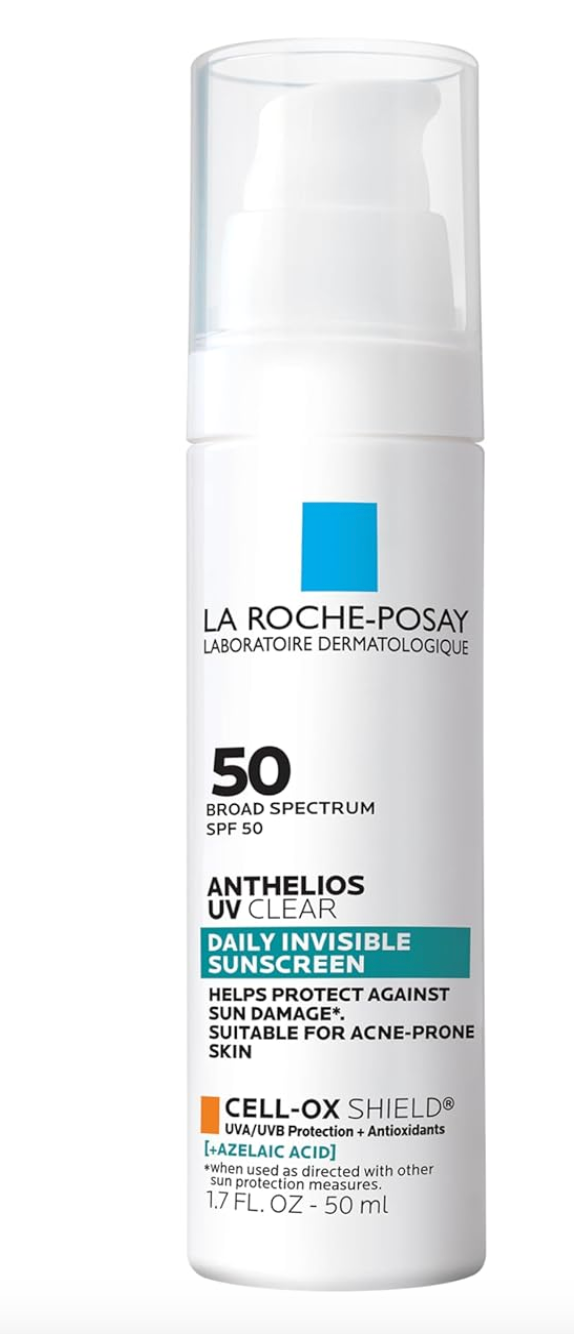
La Roche Posay
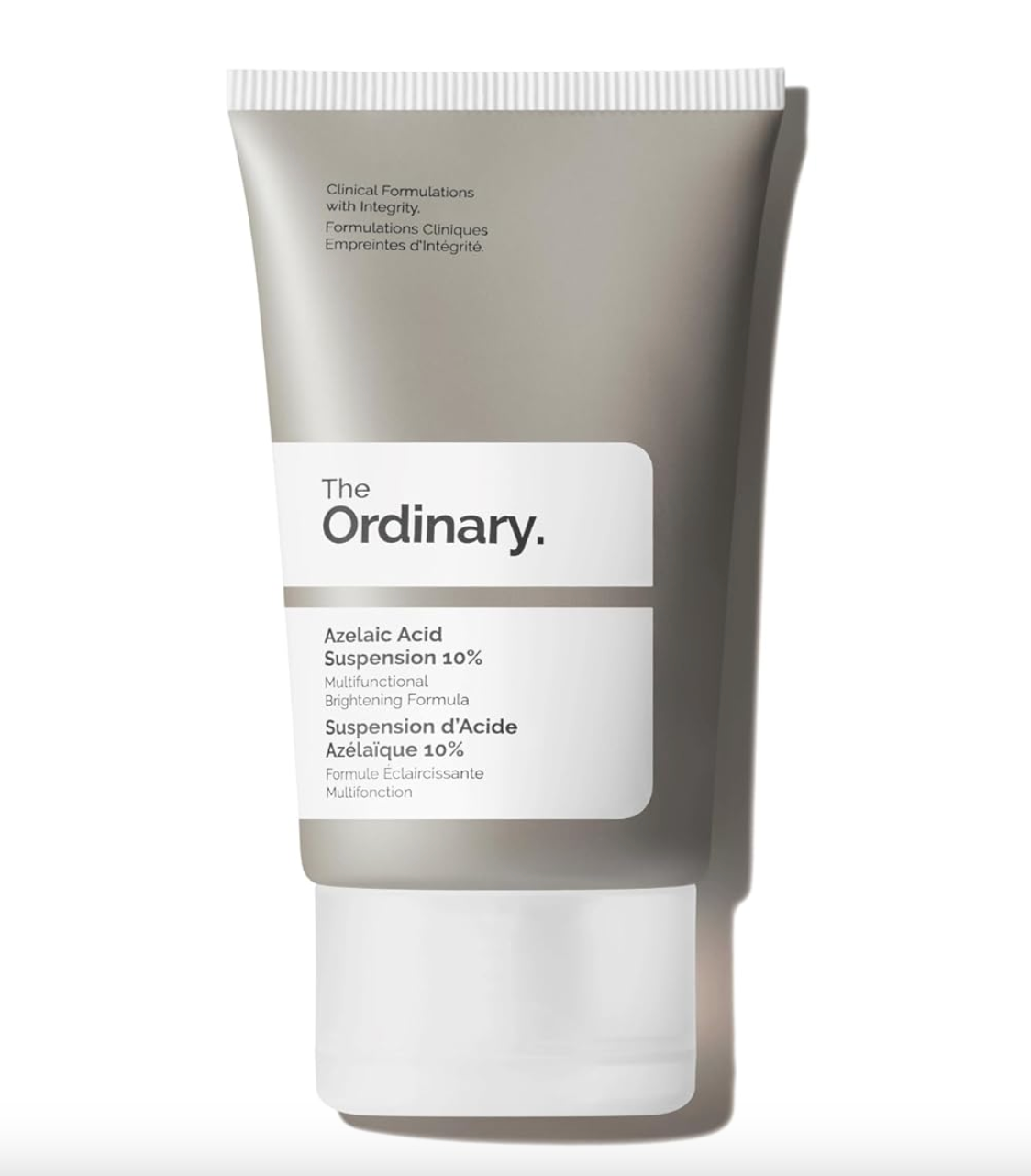
The Ordinary
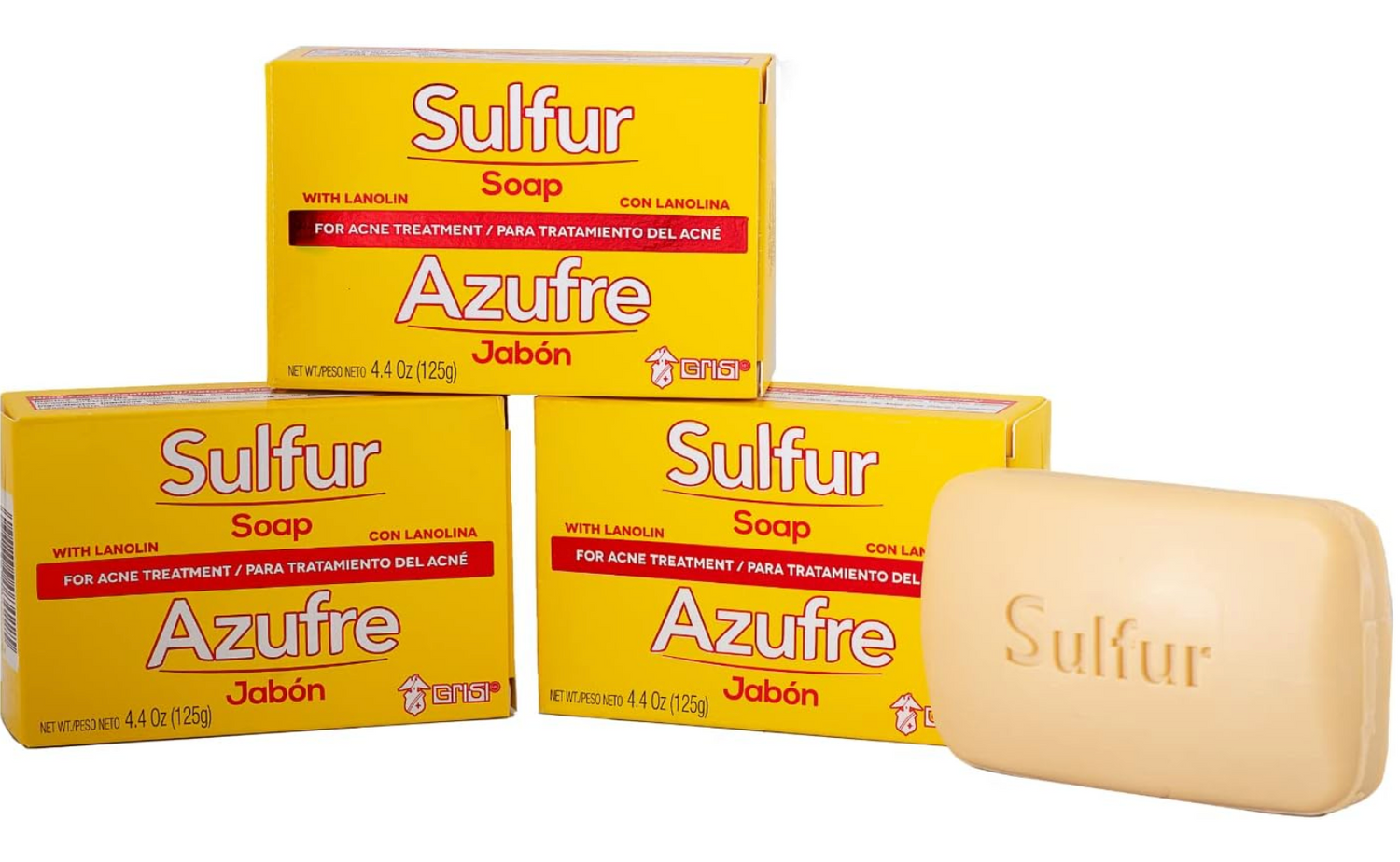
Sulfur Wash
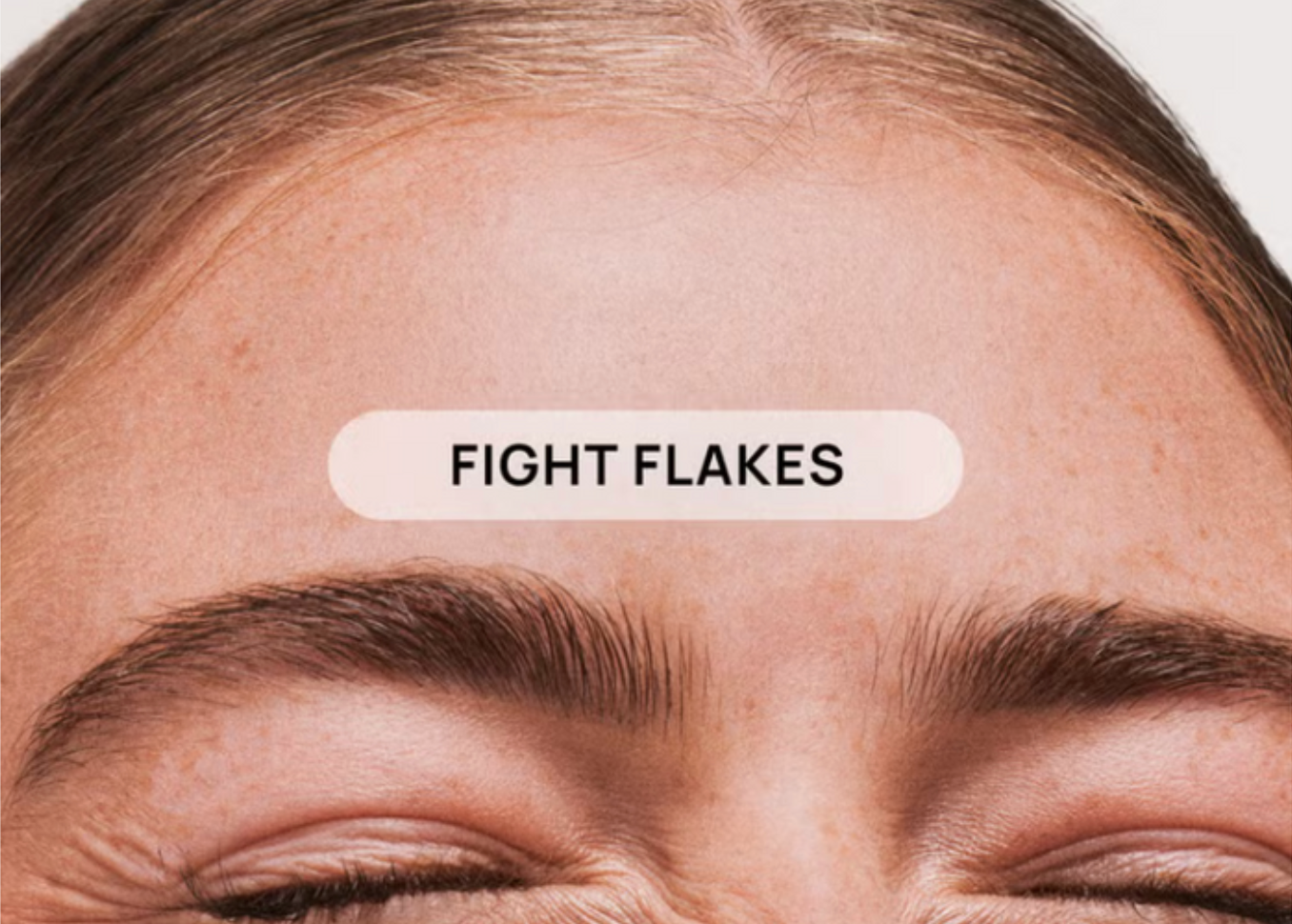
Seborrheic Dermatitis
What is Seborrheic Dermatitis?
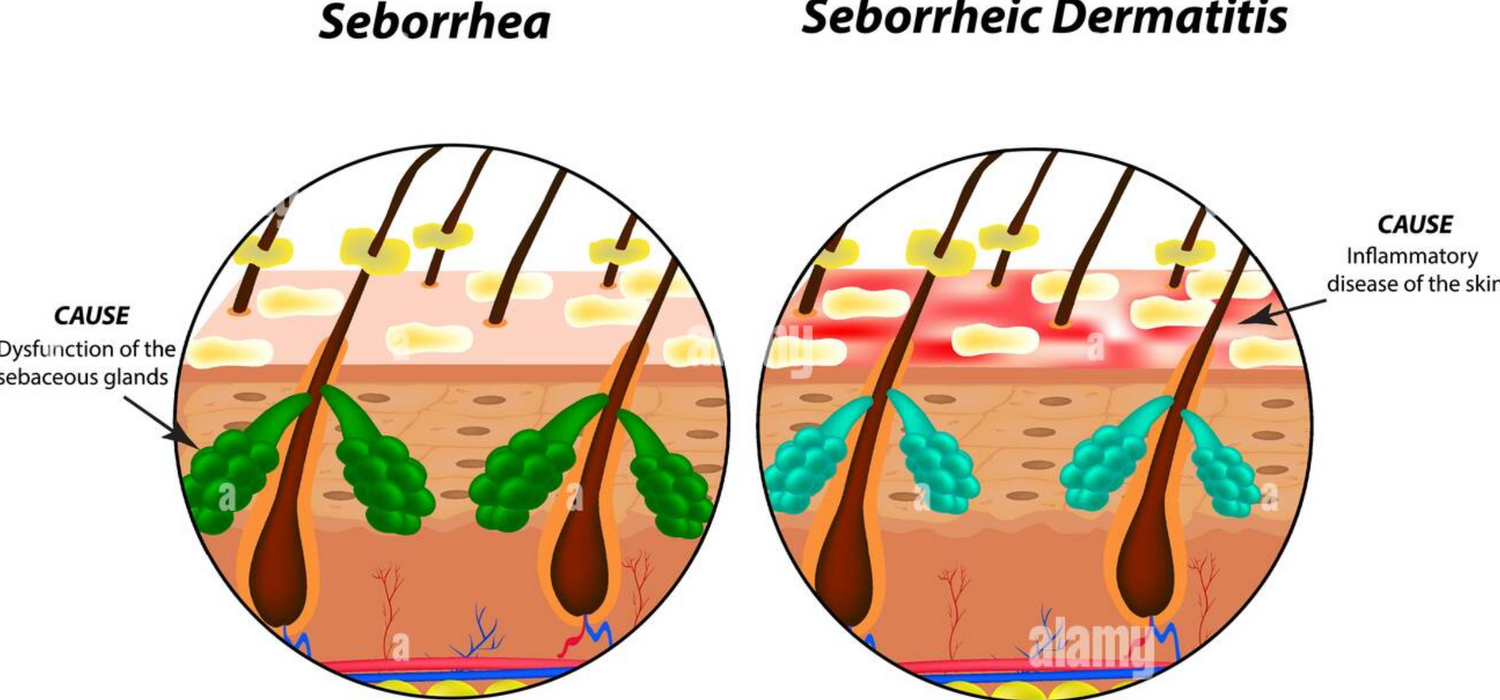
Seborrheic dermatitis is a common, chronic inflammatory skin condition that primarily affects areas of the skin where sebaceous (oil) glands are most active. It can cause red, flaky, and itchy skin, often with yellow or white scales. This condition can occur on the scalp, face, chest, and other areas with oil glands.
Causes
The exact cause of seborrheic dermatitis is unknown, but several factors contribute to its development:
- Overgrowth of a yeast called Malassezia, which naturally lives on the skin.
- Increased oil production by the sebaceous glands.
- Genetic factors.
- Environmental triggers, such as cold, dry weather or stress.
Symptoms
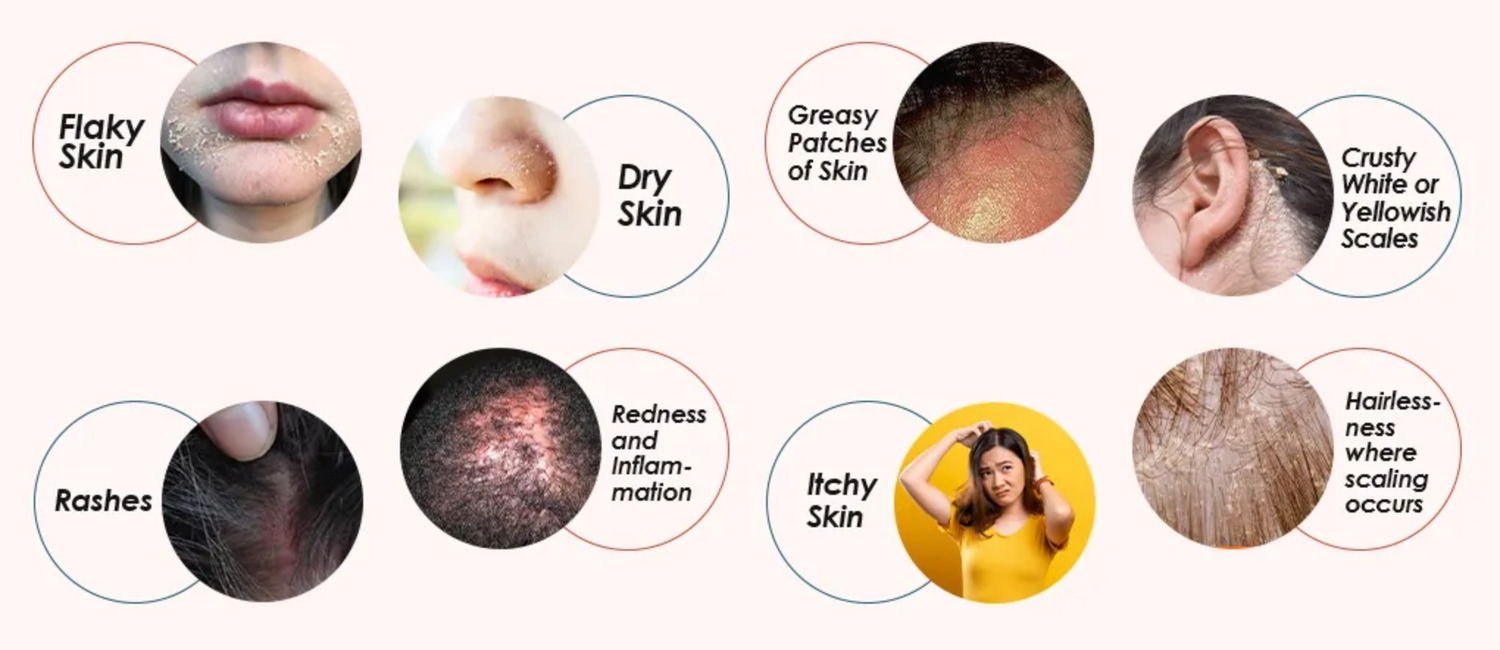
- Red, inflamed patches of skin.
- Scaly or flaky skin, often with a greasy appearance.
- Itching or discomfort.
- Yellow or white scales on the scalp, face, or other affected areas.
- Dandruff or crusting on the scalp.
Common Areas Affected
- Scalp (leading to dandruff).
- Eyebrows, eyelids, and sides of the nose.
- Behind the ears and in skin folds (e.g., underarms, groin, or chest).
Treatment Options
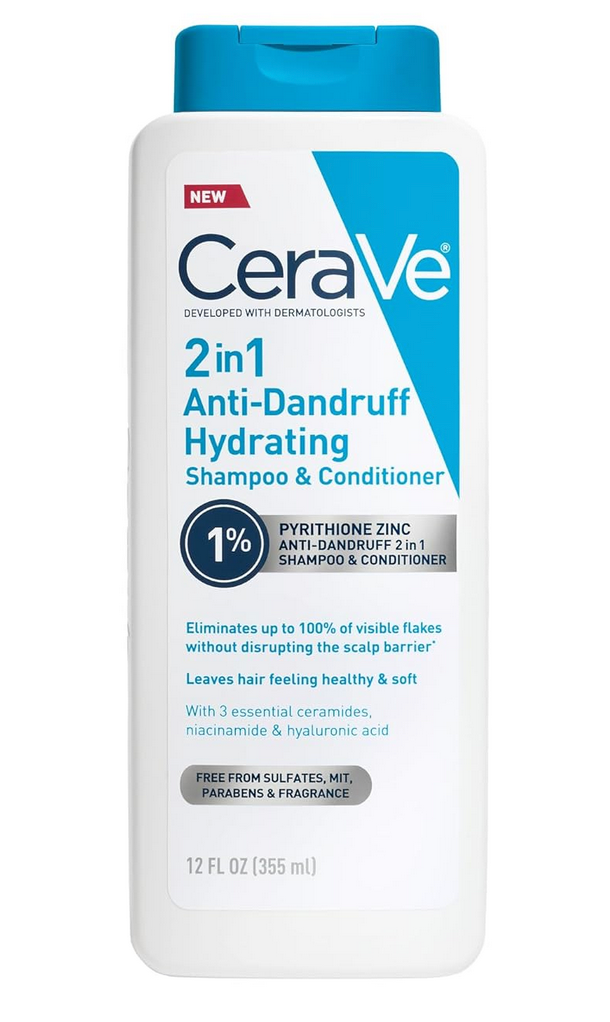
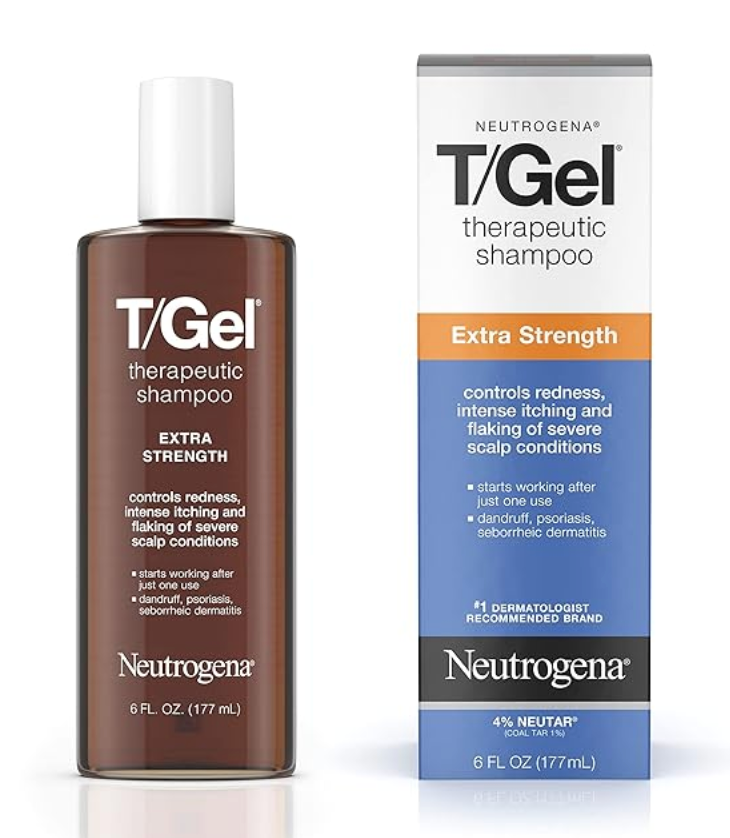
It's important to alternate active ingredients monthly to prevent tolerance buildup and maintain effectiveness. Medicated shampoos can also be used as a face wash.
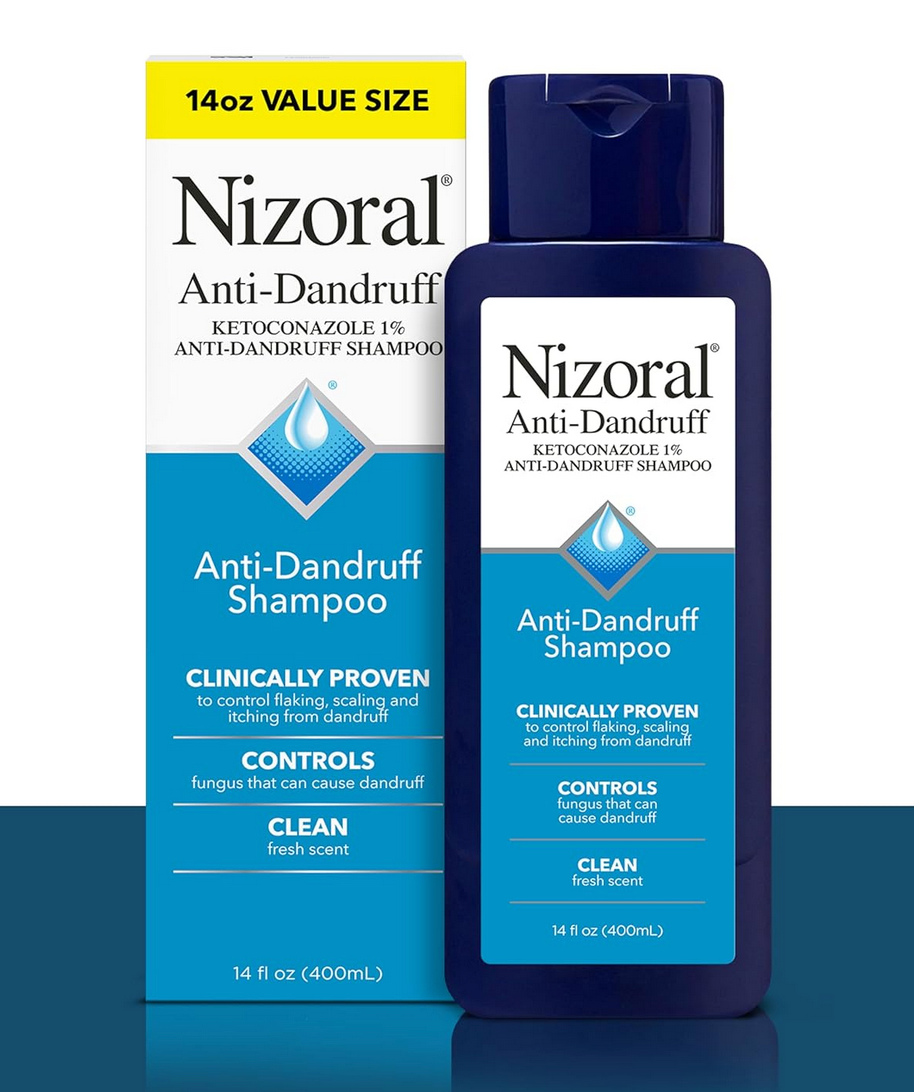
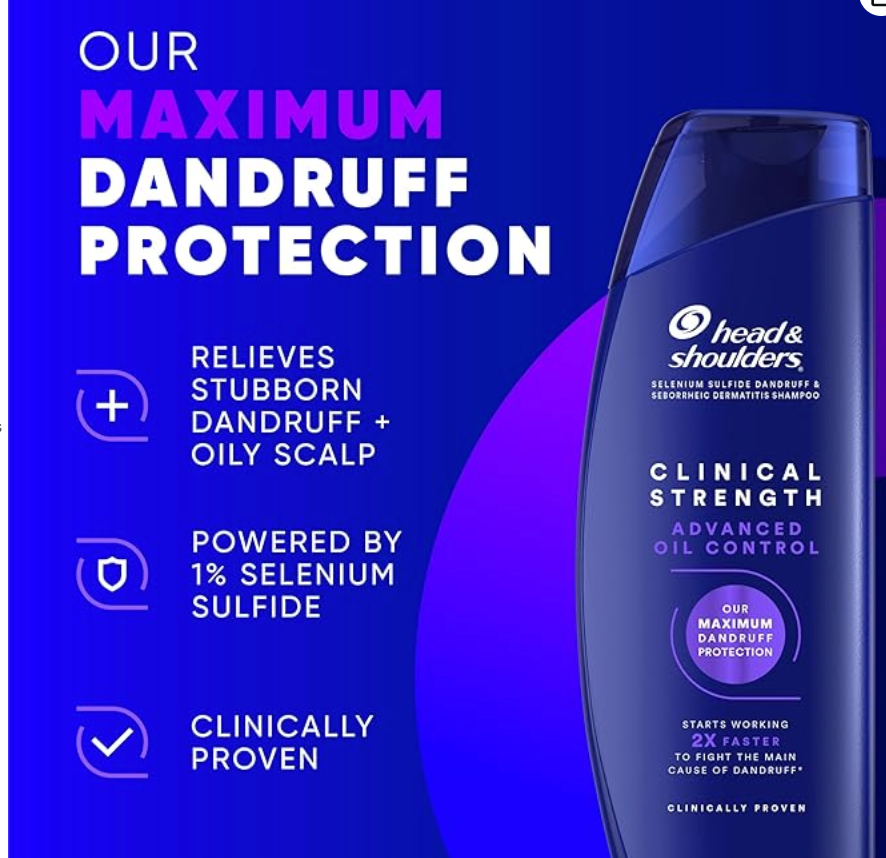
Shampoos
These shampoos help control the yeast and reduce scaling and itching on the scalp and face.
Lifestyle and Home Care
Gentle cleansing: Wash affected areas with a mild, non-irritating cleanser.
Moisturize: Use a gentle moisturizer to help soothe and hydrate the skin.
Avoid harsh products: Avoid using products with alcohol or strong fragrances that may irritate your skin.
Reduce stress: Stress can trigger flare-ups, so managing stress through relaxation techniques may help.
When to Seek Medical Help
- If symptoms worsen or become difficult to manage.
- If the condition affects the eyelids or causes eye irritation.
- If you develop signs of infection, such as increased redness, warmth, or pus.
Xerosis ~ Dry Skin
Understanding Xerosis (Dry Skin)
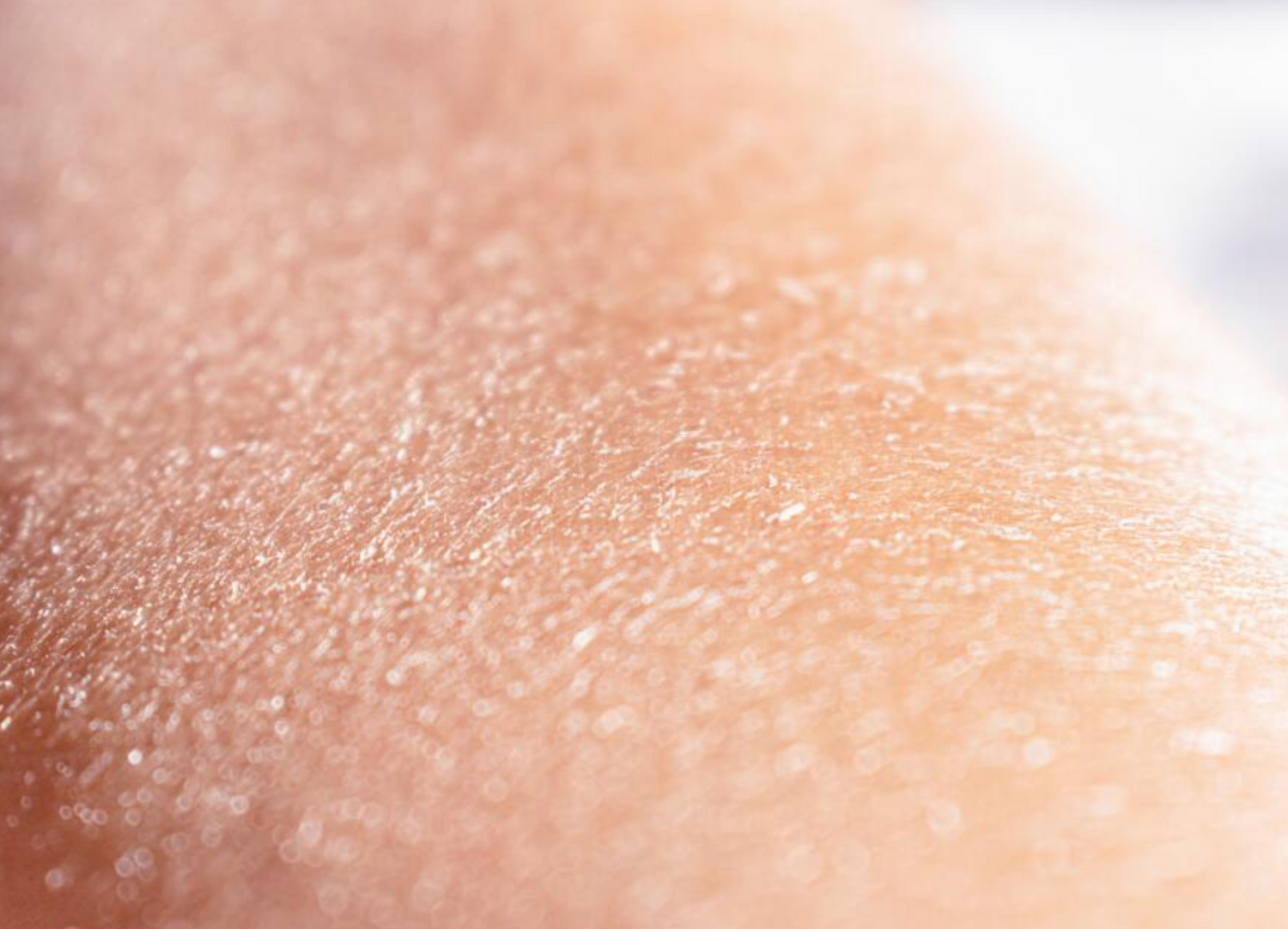
Xerosis, commonly known as dry skin, occurs when the skin lacks the necessary moisture and oils to stay smooth and supple. It can lead to itching, flaking, irritation, and even cracking in severe cases. Several factors contribute to dry skin, including weather changes, frequent bathing, harsh soaps, and underlying health conditions. Proper skin care can help manage and prevent xerosis.
How to Care for Dry Skin
Follow these steps to keep your skin hydrated and healthy:
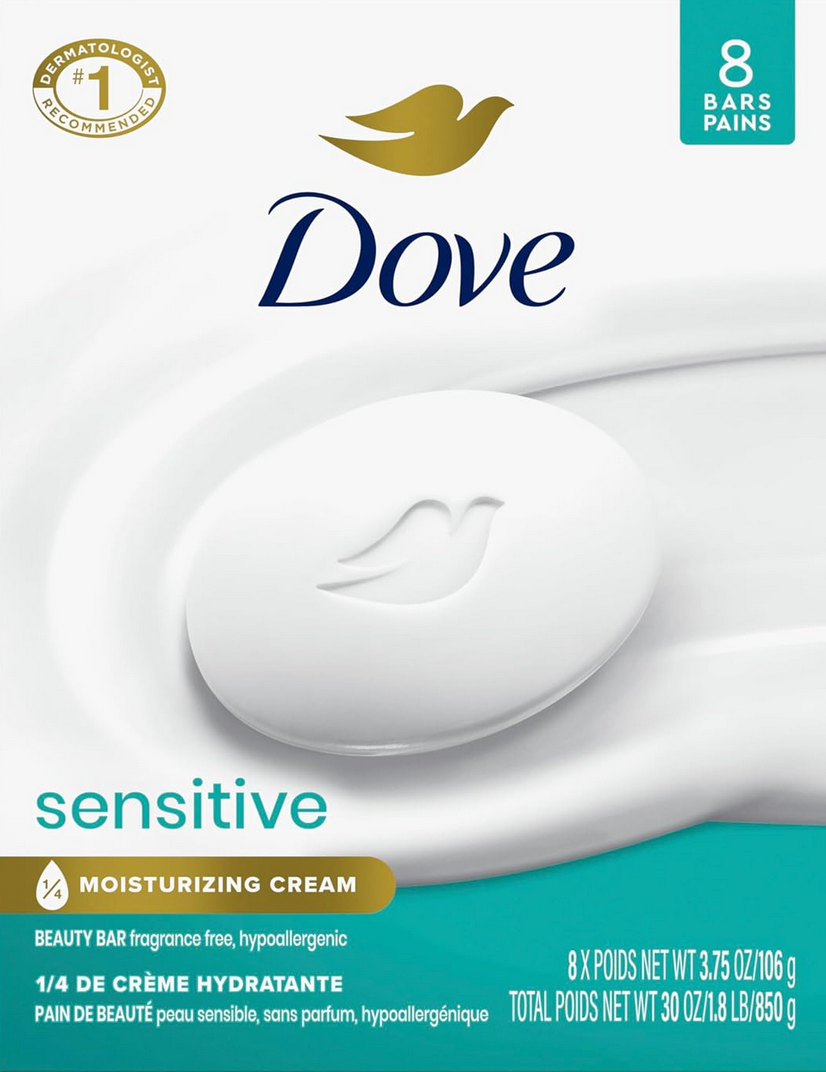
- Use a Gentle Bar Soap – Opt for a bar soap formulated for sensitive skin rather than liquid soaps, as they tend to be less drying. Look for fragrance-free and moisturizing options.
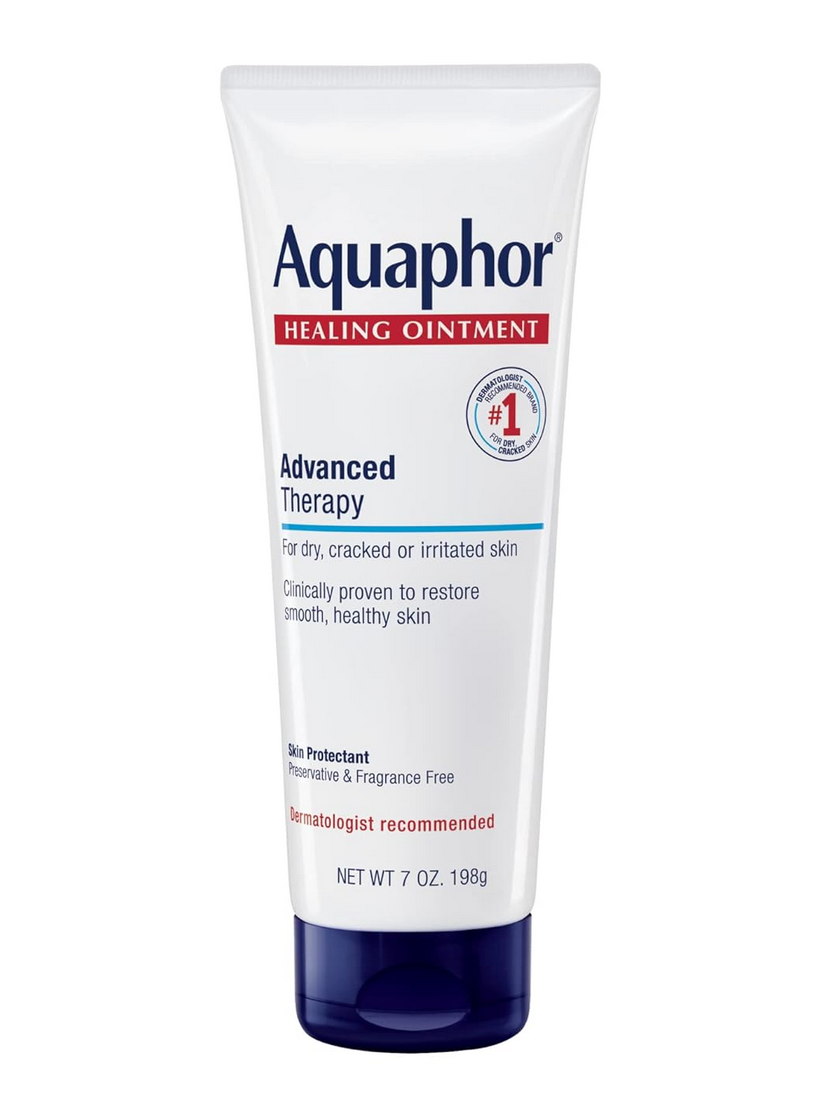
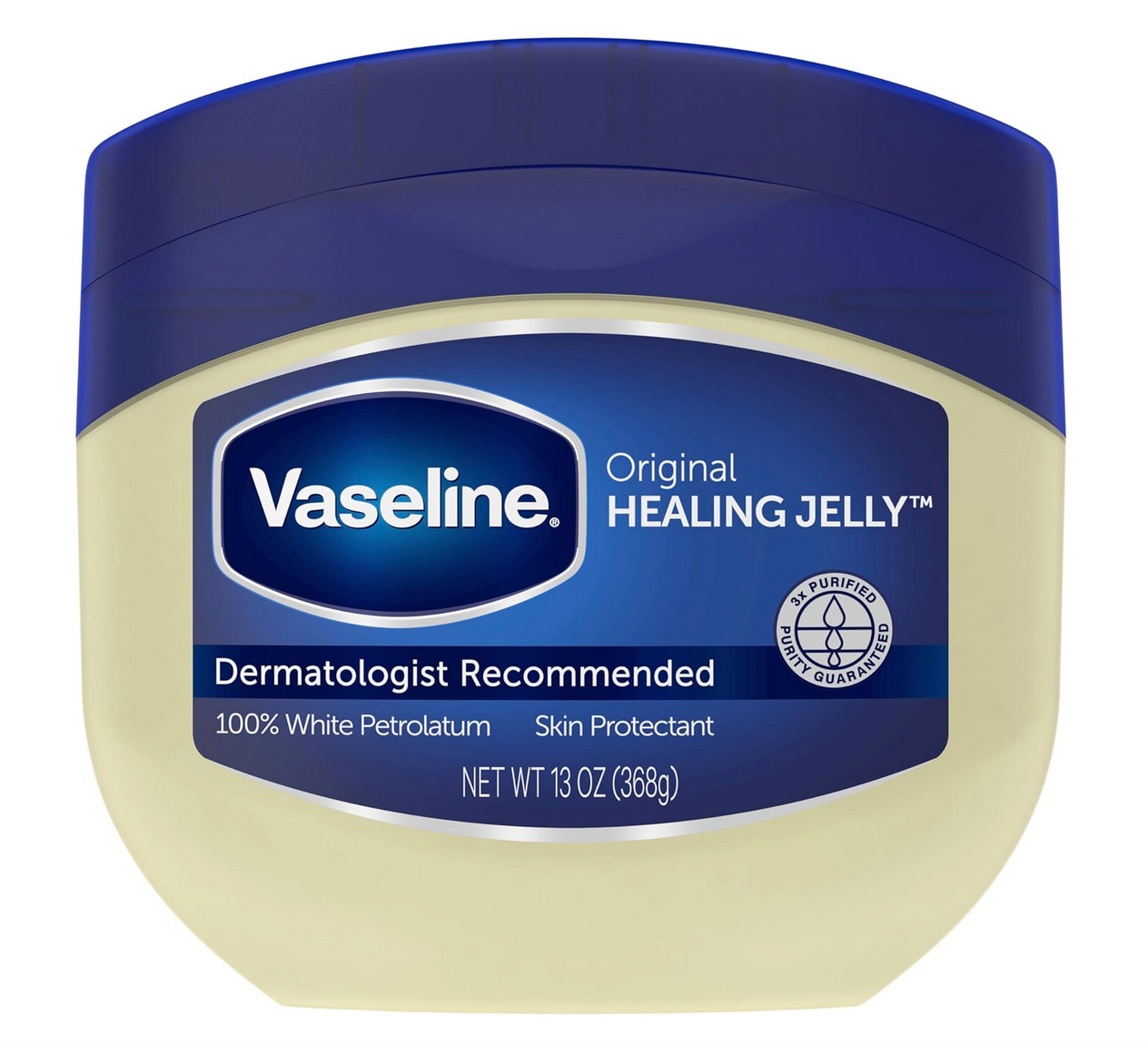
- Apply a Protective Ointment Twice Daily – Use a thick moisturizer like Aquaphor or Vaseline ointment twice a day, especially after bathing. These products create a barrier that locks in moisture and protects against environmental damage.
- Take Short, Lukewarm Showers – Hot water can strip the skin of its natural oils, worsening dryness. Limit showers to 5-10 minutes using lukewarm water.
- Avoid Baths – Prolonged exposure to water can further dry out the skin. Instead of soaking in a bath, stick to brief showers.
- Clip Nails Short – Scratching itchy skin can break the surface, leading to irritation, infection, and worsening dryness. Keeping nails trimmed reduces the risk of unintentional damage.
- Pat Skin Dry and Moisturize Immediately – After showering, gently pat (don’t rub) your skin with a towel, then apply moisturizer while the skin is still slightly damp to lock in hydration.
- Wear Soft, Breathable Fabrics – Cotton and other soft fabrics are less likely to irritate dry skin compared to rough or synthetic materials.
- Use a Humidifier – Dry indoor air can worsen xerosis, especially in colder months. Running a humidifier adds moisture to the air and helps prevent skin from drying out.
- Treat Stubborn Areas – If certain areas of dry skin do not improve after two weeks of following these recommendations, try applying over-the-counter hydrocortisone 1% cream to the affected areas.

Skin cancer prevention
Protecting Your Skin and Reducing Your Risk
Skin cancer is the most common type of cancer, but it is also one of the most preventable. Protecting your skin from harmful UV radiation and adopting healthy habits can significantly reduce your risk. Follow these expert recommendations to safeguard your skin.
1. Sun Protection: Your First Line of Defense
What is SPF?
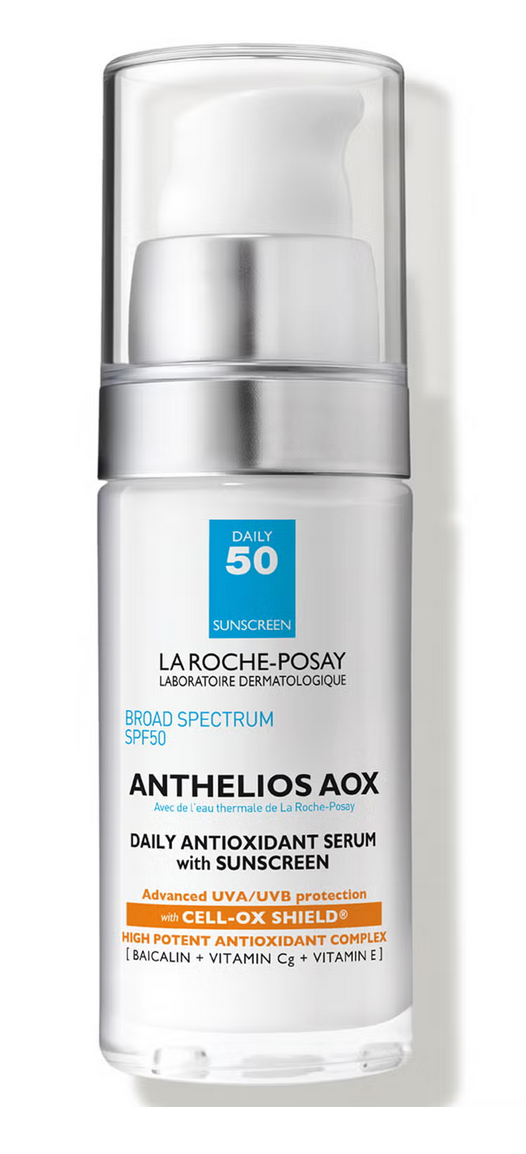
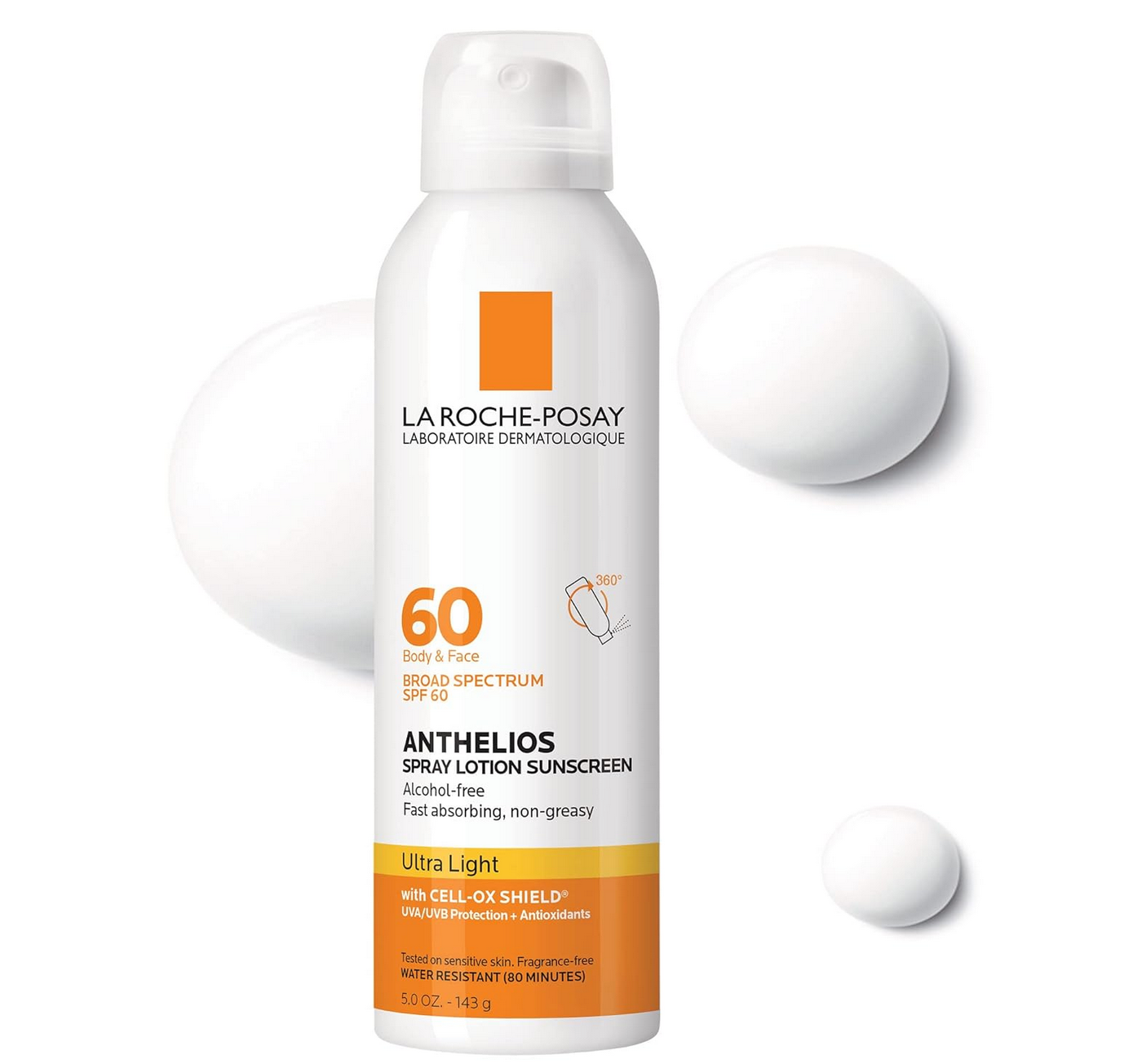
SPF, Sun Protection Factor, determines how long sunscreen protects your skin before burning. The higher the SPF, the longer the estimated protection—but also, the higher the cost.
How SPF Works:
SPF × Minutes to Burn Without Sunscreen = Estimated Protection Time
Example (if you burn in 10 minutes):
- SPF 15 x 10 → 150 minutes
- SPF 30 x 10 → 300 minutes
- SPF 50 x 10 → 500 minutes
💰 Higher SPF costs more, but doesn’t always mean better protection.
🔄 Reapplying every 2 hours ensures continuous coverage, making lower SPF options just as effective if used correctly. Smart application saves money while keeping you protected!
What ingredients to look for in sunscreen
Sunscreens use either physical (mineral) or chemical ingredients to protect your skin.
- Physical Sunscreens: These work by blocking or reflecting UV rays. Safe and effective.
- Titanium Dioxide: Protects against both UVA and UVB rays. Safe for sensitive skin, including children over 6 months old.
- Zinc Oxide: Blocks both UVA and UVB rays. It’s also good for skin healing and has anti-inflammatory benefits.
- Chemical Sunscreens: These absorb UV rays and turn them into heat.
- Avobenzone: Protects against UVA but breaks down quickly when exposed to the sun, so it needs other stabilizers.
- Octinoxate: Absorbs UVB rays and helps prevent sunburn, but has been banned in some places due to environmental concerns.
- Homosalate: Absorbs UVB rays but may interfere with hormones.
- Oxybenzone: Absorbs UV rays but is controversial because it can be absorbed into the bloodstream, and studies suggest it might affect reproductive health.
In general, physical sunscreens with Titanium Dioxide and Zinc Oxide are safer options, especially for sensitive skin.
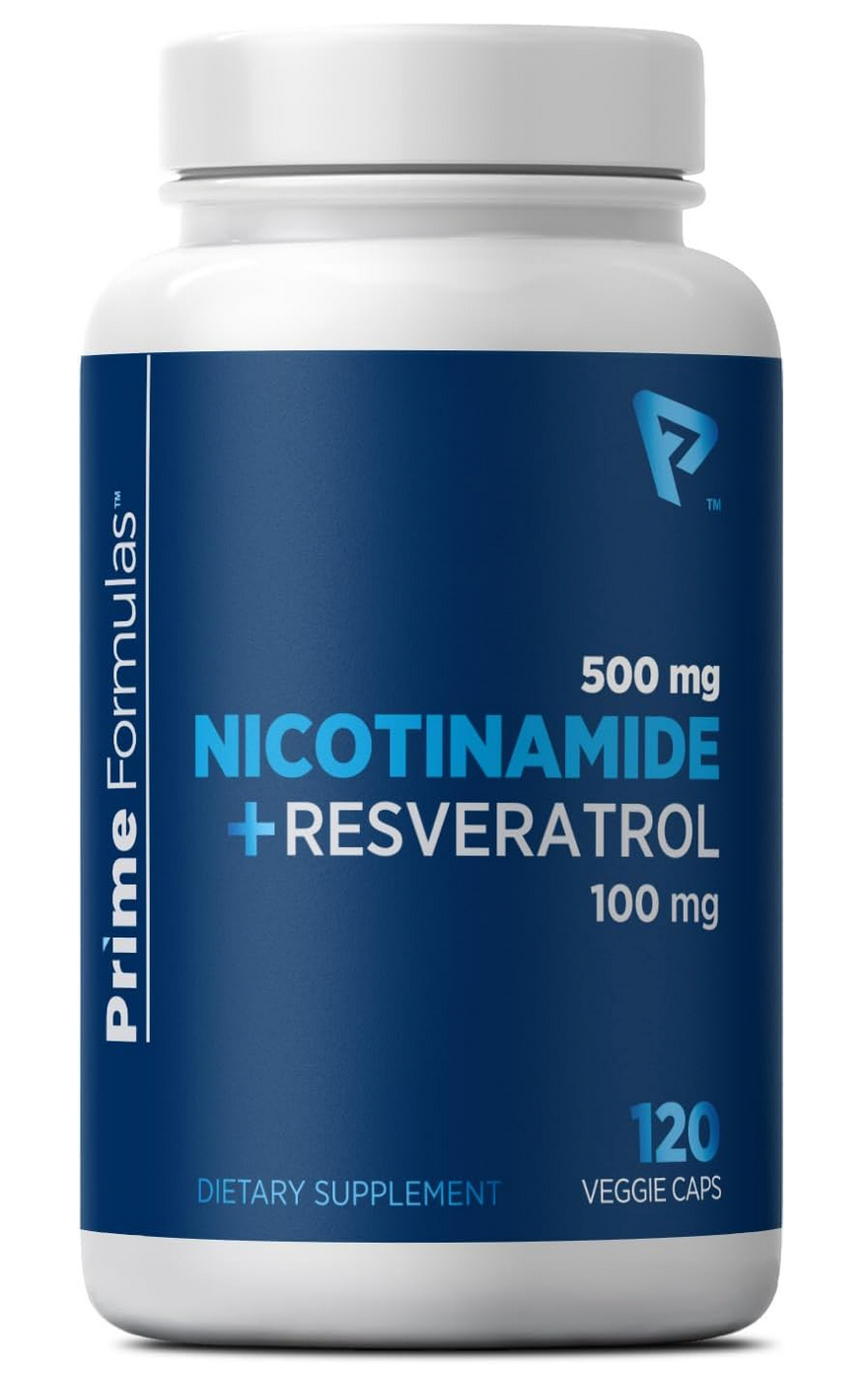
2. Nicotinamide (Vitamin B3): A Powerful Skin Cancer Preventative
- Nicotinamide, a form of vitamin B3, has been shown to reduce the risk of non-melanoma skin cancers (such as basal cell and squamous cell carcinoma) in high-risk individuals.
- It works by enhancing DNA repair in sun-damaged skin cells and reducing immunosuppression caused by UV exposure.
- Recommended dose: 500 mg twice daily for individuals at high risk, as advised by a healthcare professional.
- Available over the counter, nicotinamide is well tolerated and does not increase flushing like niacin.
- This is not a substitute for sunscreen. Please continue sunscreen use.
3. Regular Skin Exams & Early Detection
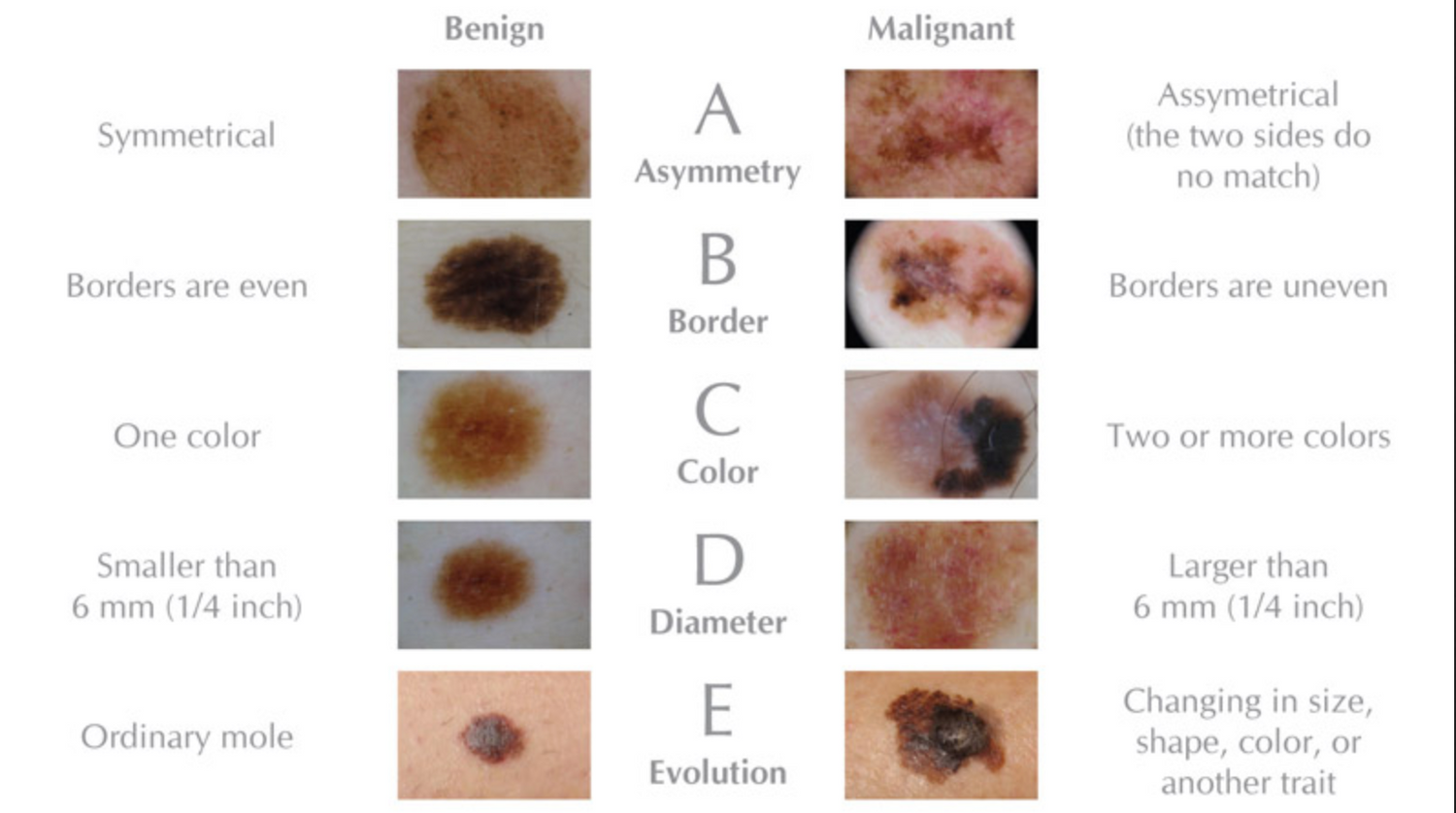
Perform monthly self-skin checks using the ABCDE rule for melanoma:
- Asymmetry: One half of a mole does not match the other.
- Border: Irregular, scalloped, or poorly defined edges.
- Color: Multiple colors or uneven pigmentation.
- Diameter: Larger than 6 mm (size of a pencil eraser).
- Evolving: Any change in size, shape, or color over time.
- See a dermatologist annually or more frequently if you have a history of skin cancer or high-risk factors.
General Post op wound care
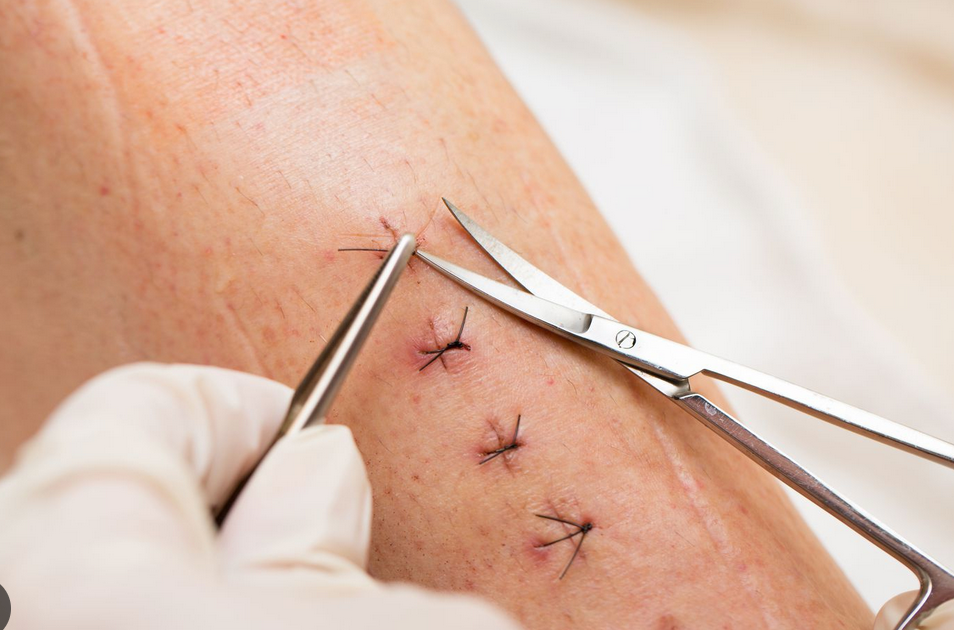
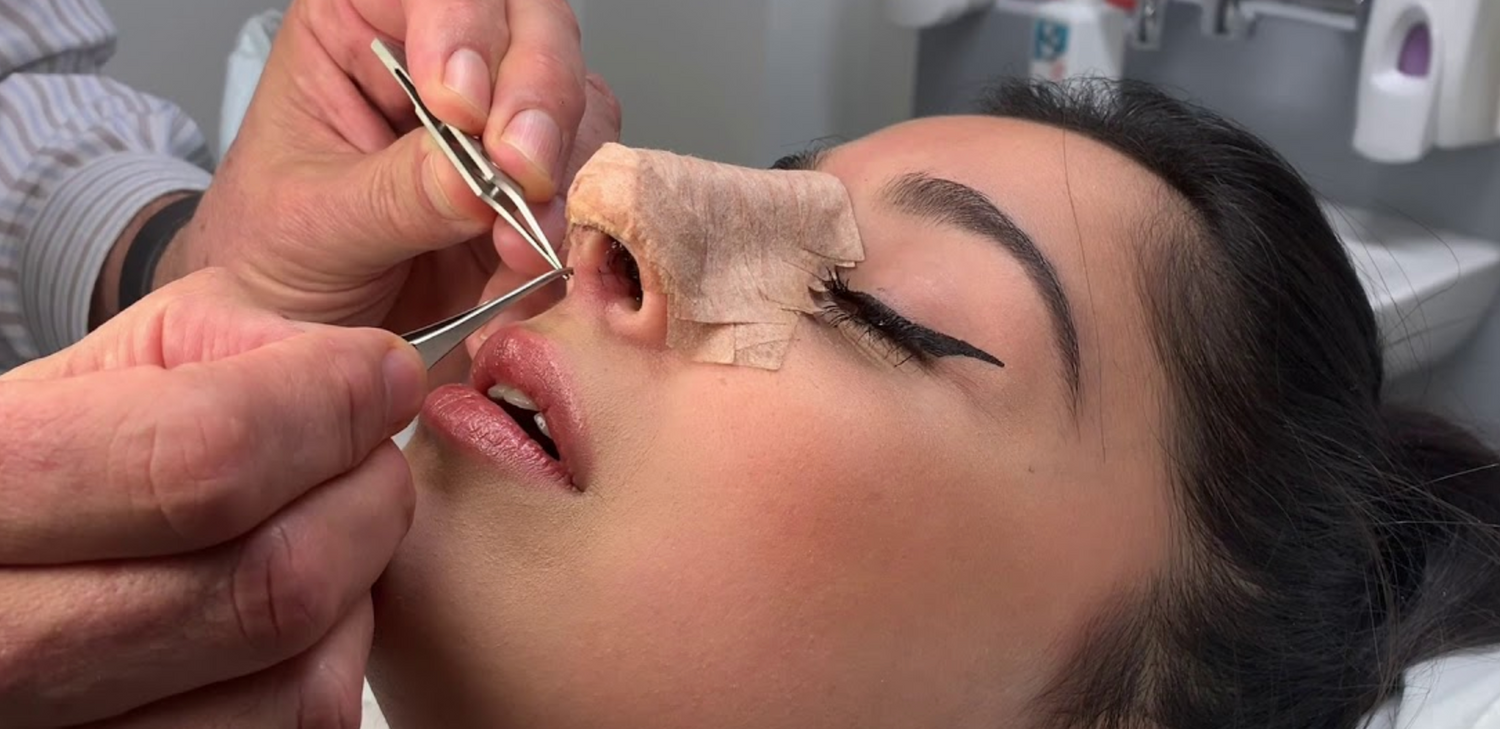
Proper wound care is essential for healing and minimizing scarring. Follow these steps unless instructed otherwise by your provider:
First 2 Weeks After Procedure:
- Change the bandage once daily.
- Remove the old bandage before showering.
- Gently cleanse the area with mild soap and water.
- Pat dry with a clean towel.
- Disinfect the area using a small amount of rubbing alcohol (if advised by your provider).
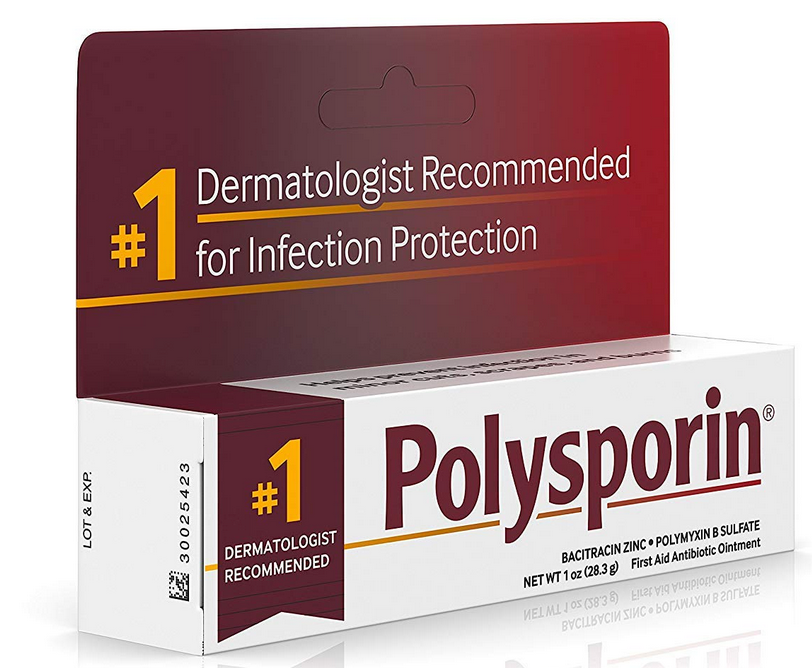
- Apply a pinhead-sized amount of antibiotic ointment (e.g., Polysporin or Bacitracin) to the wound. * Using too much ointment can cause skin irritation or redness—less is more.
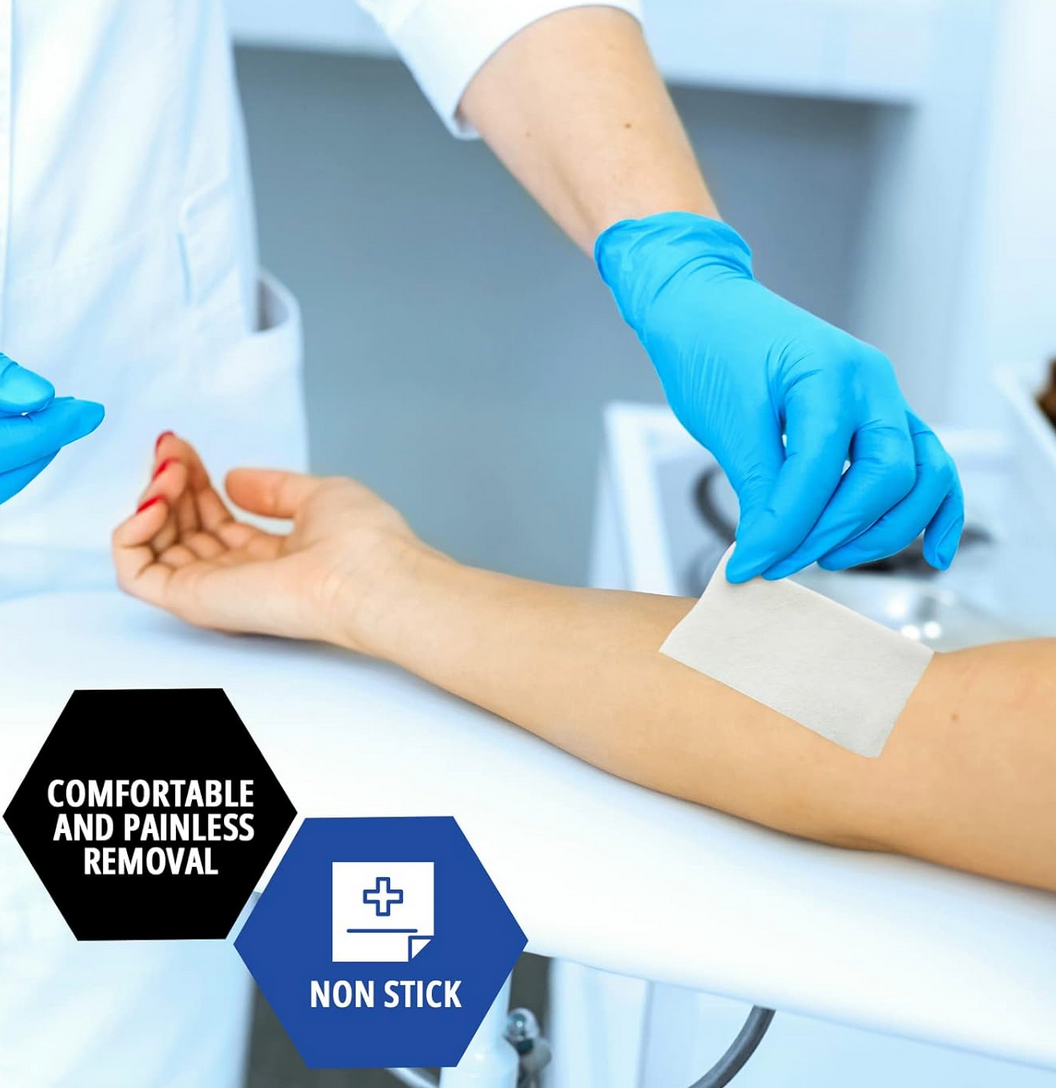
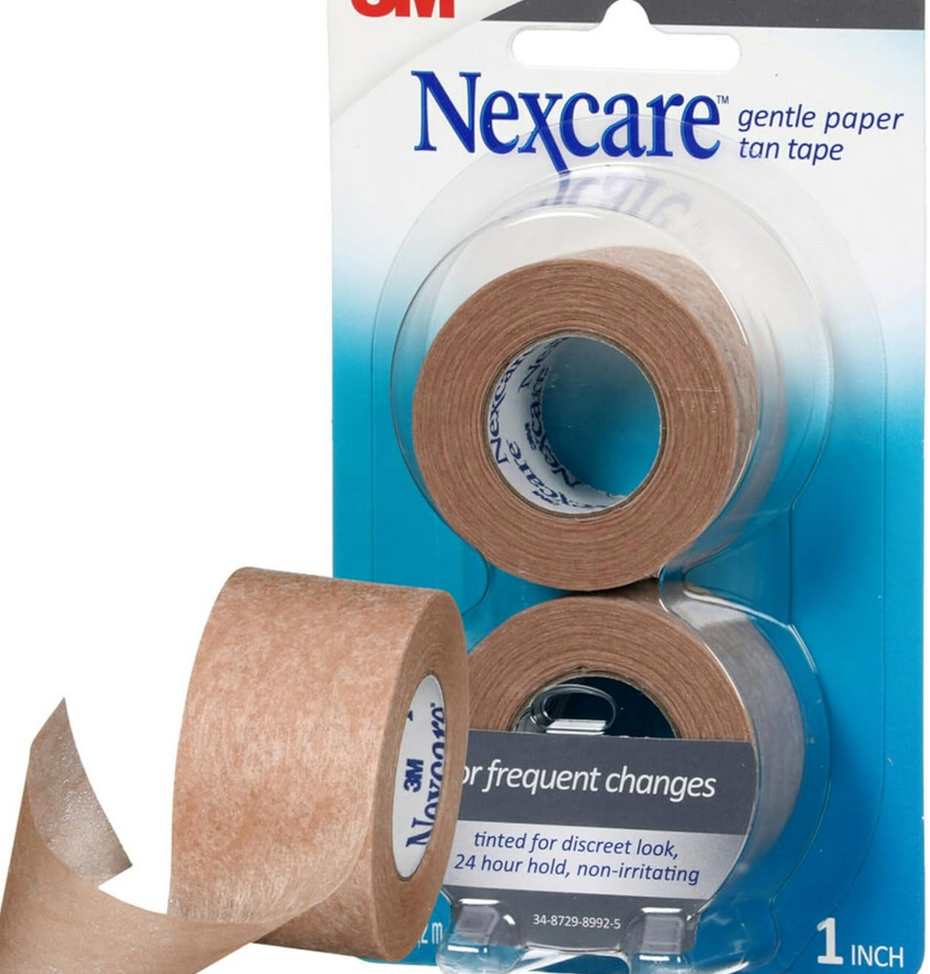
- Cover the area with a trimmed, non-adhesive dressing (such as Telfa pad) and secure it using paper tape.
- For wounds on arms or legs: Cover the paper tape with a light elastic bandage to keep the dressing secure and prevent it from shifting due to movement.
After 2 Weeks:
- Discontinue use of rubbing alcohol and antibiotic ointment.
- No longer cover the wound unless otherwise directed.
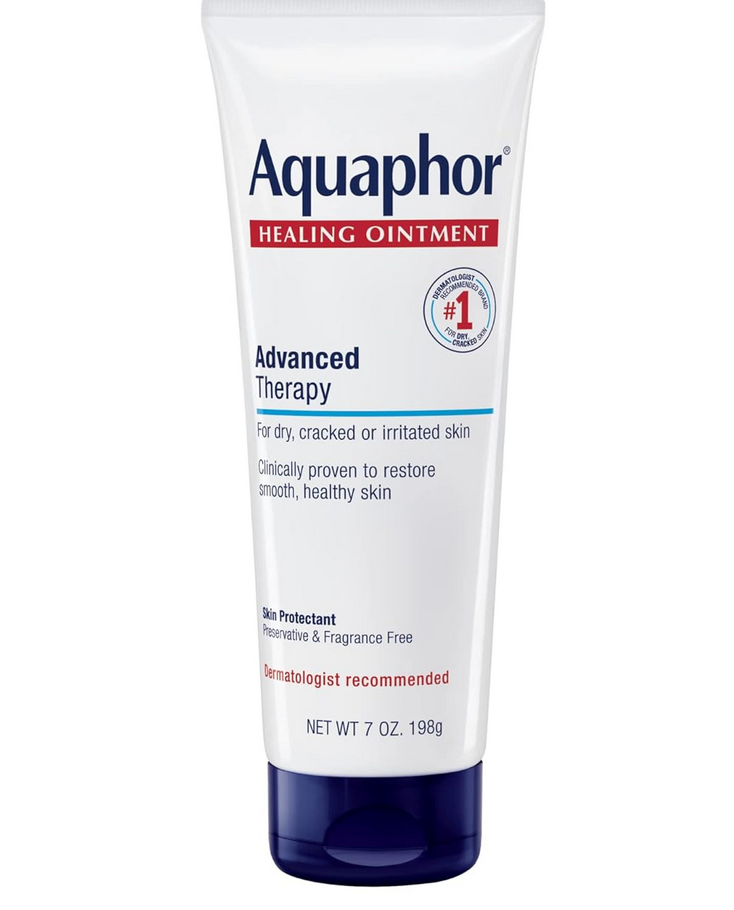
- Begin applying Aquaphor Healing Ointment or a similar barrier ointment twice daily to promote healing and soften the scar.
Why this matters:
Consistent wound care supports proper healing, reduces infection risk, and helps minimize scar formation for the best cosmetic outcome.
Understanding Hair Loss
Telogen Effluvium
Hair loss can be stressful and emotional. Understanding the cause of your hair loss is the first step toward regrowth and feeling confident again. Two common causes of sudden hair loss are Telogen Effluvium and Alopecia Areata—each with unique features, causes, and treatments.
🧠 Telogen Effluvium (TE)
What is it?
Telogen Effluvium is a type of temporary hair loss that happens when a large number of hair follicles enter the resting (telogen) phase of the hair cycle too early. This leads to diffuse hair shedding across the scalp.
Common Triggers:
- Emotional Stress
- Grief or loss of a loved one, pet
- Anxiety or panic attacks
- Depression
- Relationship problems or divorce
- Academic or job-related stress
- Major life changes (moving, career change)
- Emotional trauma or PTSD
- Physical Stress
- High fever or recent illness (e.g., flu, COVID-19)
- Major surgery
- Childbirth or miscarriage
- Rapid or significant weight loss
- Crash dieting or eating disorders
- Iron deficiency or malnutrition
- Hormonal changes (thyroid, menopause)
- Chronic illness (e.g., diabetes, autoimmune conditions)
- Physical trauma (car accident, injury)
- Hospitalization or prolonged illness
⏳ Delayed Onset: Hair loss from TE often starts 2–3 months after the stressful event, making the cause less obvious at first.
What it looks like:
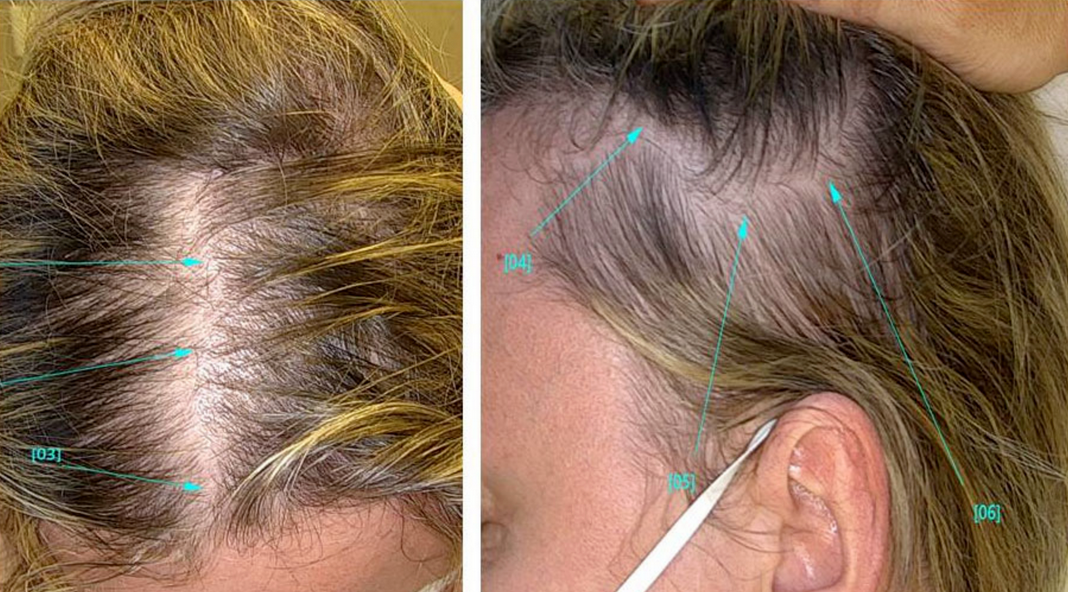
- Hair thinning all over the scalp (not patchy)
- Increased shedding in the shower or hairbrush
- Scalp appears normal, with no inflammation
Treatment for Telogen Effluvium
- Identify and correct the trigger
- Over-the-counter & supplement options:
- Prenatal vitamins: You don’t need to be pregnant to benefit from prenatal vitamins. They’re rich in B vitamins, folic acid, iron, zinc, and biotin—key nutrients that support healthy hair, skin, and nails. Many people use them for hair regrowth and nail strengthening even outside of pregnancy. They also double as a daily multivitamin, making them a simple and affordable option for overall wellness and hair health.
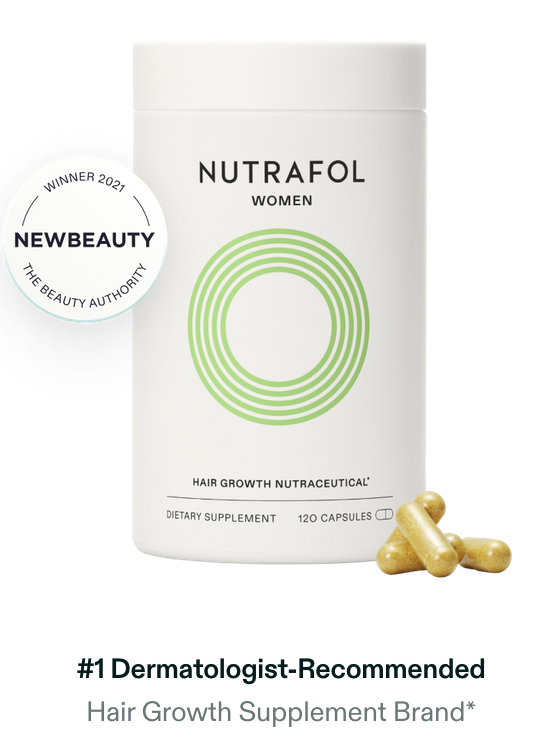
- Hair growth supplements (like Nutrafol® or Viviscal®): These contain additional botanicals, marine collagen, adaptogens, and amino acids to nourish hair follicles and promote growth.
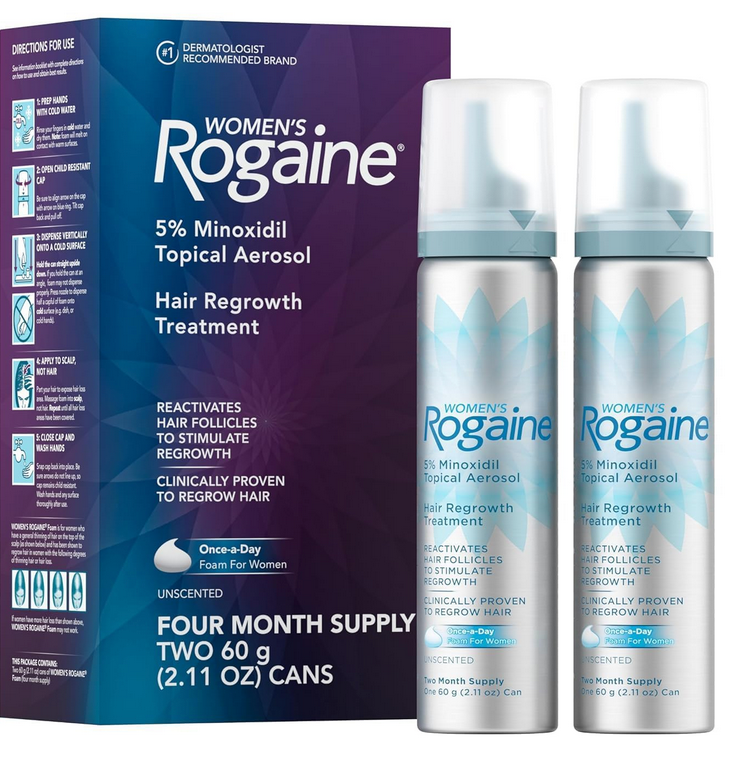
- Topical minoxidil (Rogaine® 5%): Boosts blood flow to hair follicles and stimulates regrowth. It may help speed up recovery in TE
- Supportive care:
- Avoid heat styling, tight ponytails, and harsh chemicals
- Scalp massage to improve circulation
- Eat a protein-rich, nutrient-dense diet with iron, omega-3s, and vitamins
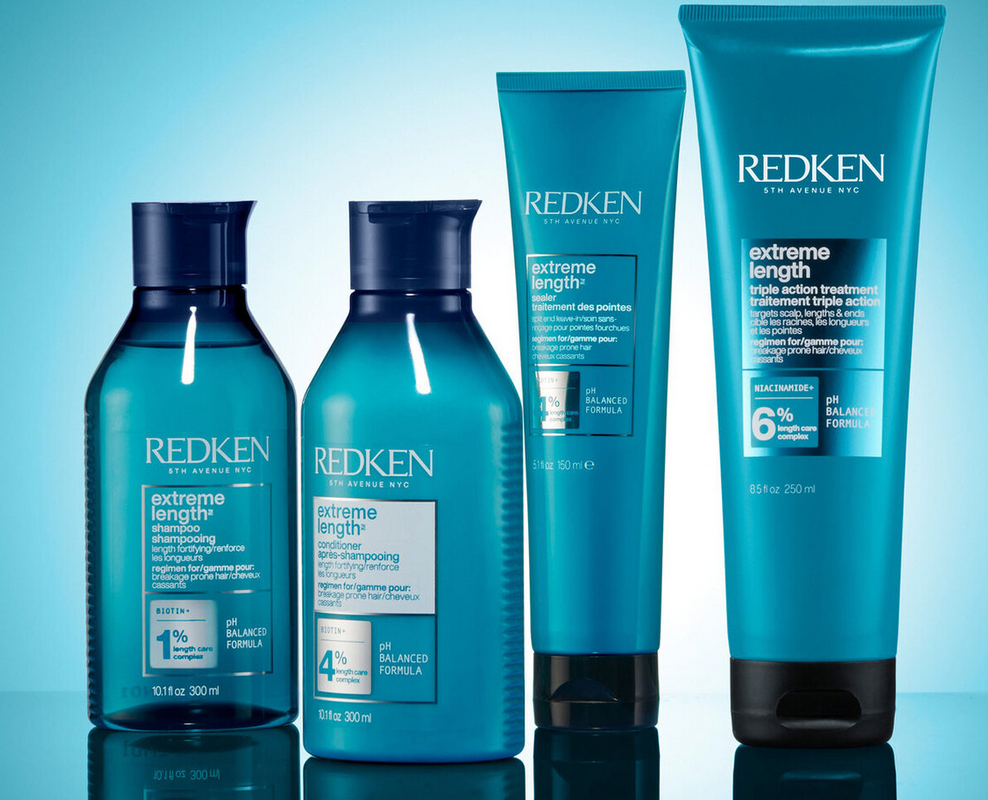
- REDKEN extreme length set
💡 Good news: With time, TE usually resolves within 3 to 6 months, and hair grows back as the body rebalances.

Understanding Hair Loss
Alopecia Areata
🧬 Alopecia Areata (AA)
What is it?
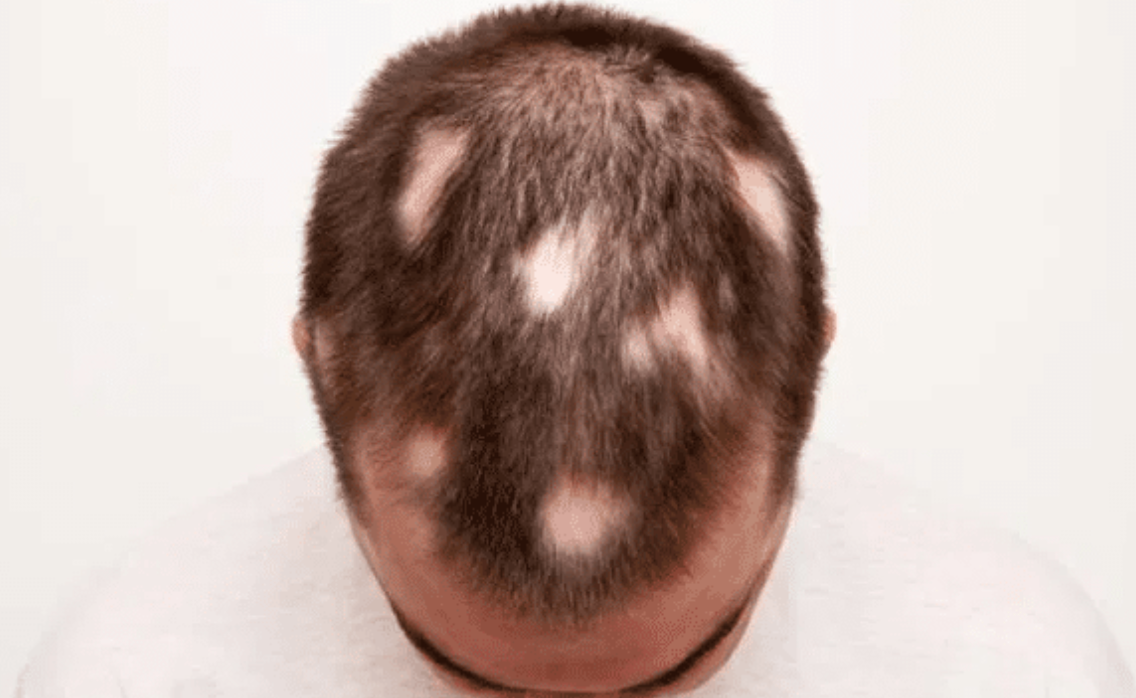
Alopecia Areata is an autoimmune condition where the body’s immune system mistakenly attacks hair follicles, leading to round, smooth patches of hair loss on the scalp, beard, or body.
Possible Triggers:
- Genetic predisposition
- Autoimmune diseases (thyroid, vitiligo, etc.)
- Emotional stress or illness (in some cases)
What it looks like:
- Sudden, round bald patches
- Smooth scalp in affected areas (no redness or scarring)
- Exclamation mark hairs (short hairs that taper at the base)
- May also affect eyebrows, lashes, or nails
How to Tell It Apart from Hair Pulling (Trichotillomania)
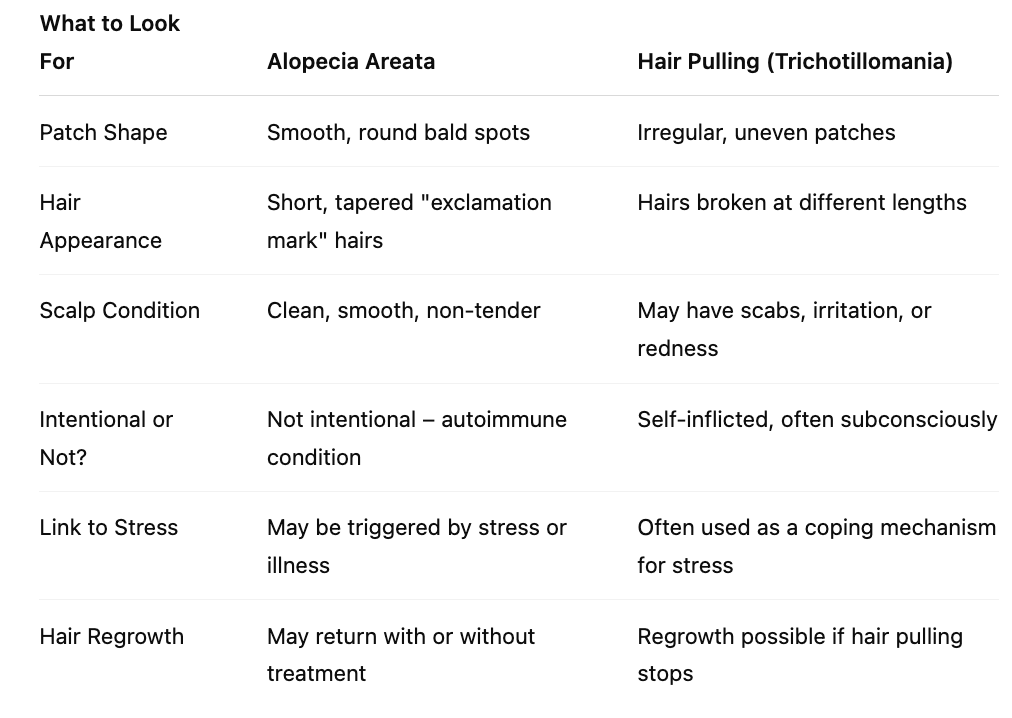
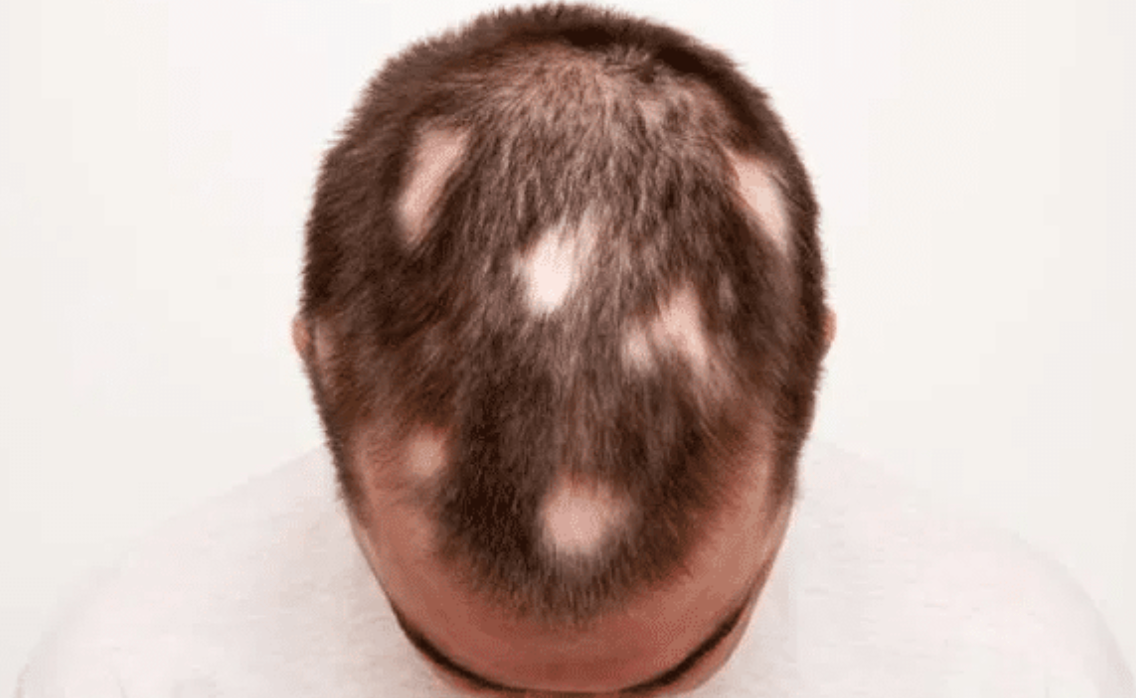
Alopecia Areata
Smooth bald patch
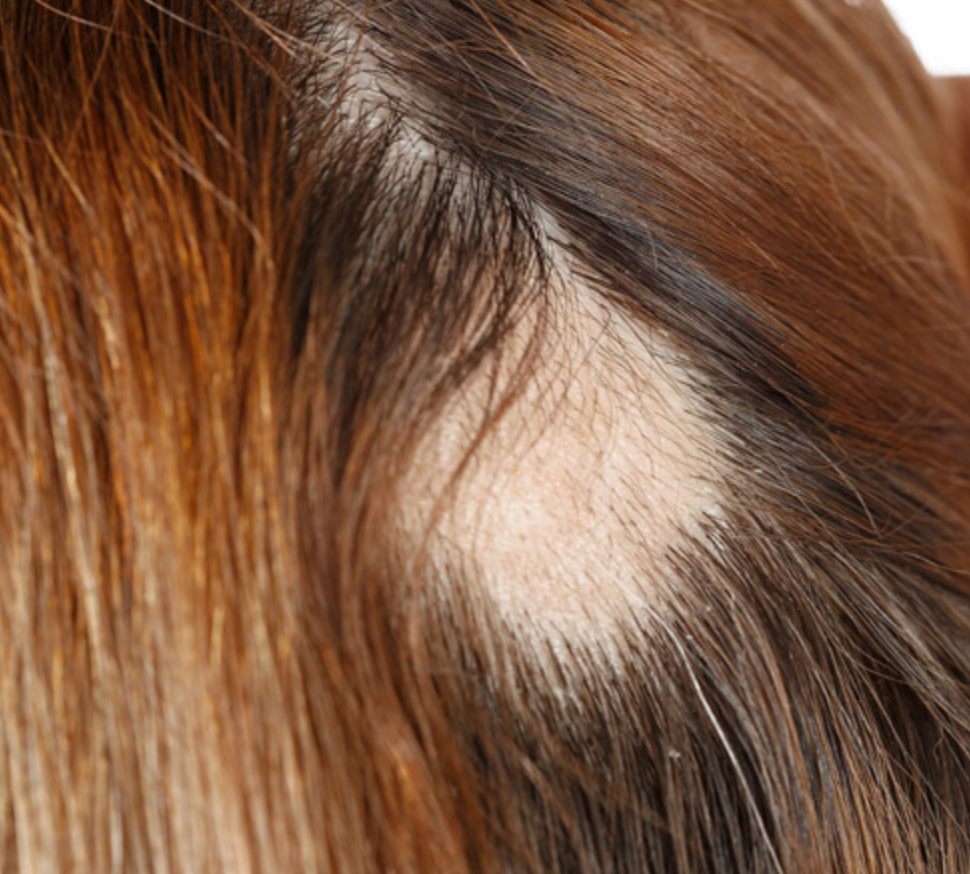
Trichotillomania
Hairs broken at different lengths
Treatment for Alopecia Areata
At Home
- Over-the-counter & supplement options:
- Prenatal vitamins: You don’t need to be pregnant to benefit from prenatal vitamins. They’re rich in B vitamins, folic acid, iron, zinc, and biotin—key nutrients that support healthy hair, skin, and nails. Many people use them for hair regrowth and nail strengthening even outside of pregnancy. They also double as a daily multivitamin, making them a simple and affordable option for overall wellness and hair health.
- Hair growth supplements (like Nutrafol® or Viviscal®): These contain additional botanicals, marine collagen, adaptogens, and amino acids to nourish hair follicles and promote growth.
- Topical minoxidil (Rogaine® 5%): Boosts blood flow to hair follicles and stimulates regrowth. It may help speed up recovery in TE
- Supportive care:
- Avoid heat styling, tight ponytails, and harsh chemicals
- Scalp massage to improve circulation
- Eat a protein-rich, nutrient-dense diet with iron, omega-3s, and vitamins
- REDKEN extreme length set
💡 Good news: With time, TE usually resolves within 3 to 6 months, and hair grows back as the body rebalances.
When to move to the next step:
If there’s no visible regrowth after 2–3 months, or the patches are getting larger or more numerous, it’s time to consult a dermatology provider.
🩺 Step 2: Dermatology Clinic Treatments
For persistent or more extensive alopecia areata, dermatologists offer several in-office and prescription options:
1. Topical Steroids: Mometasone, Clobetasol
- Prescription solution, creams or foams reduce inflammation around follicles
- Applied directly to bald patches once or twice daily
2. Intralesional Corticosteroid Injections
- Kenalog-10 injection into affected patches
- Done monthly in clinic
- Gold standard for localized AA with minimal side effects
Plantar hyperkeratosis
Calloused feet
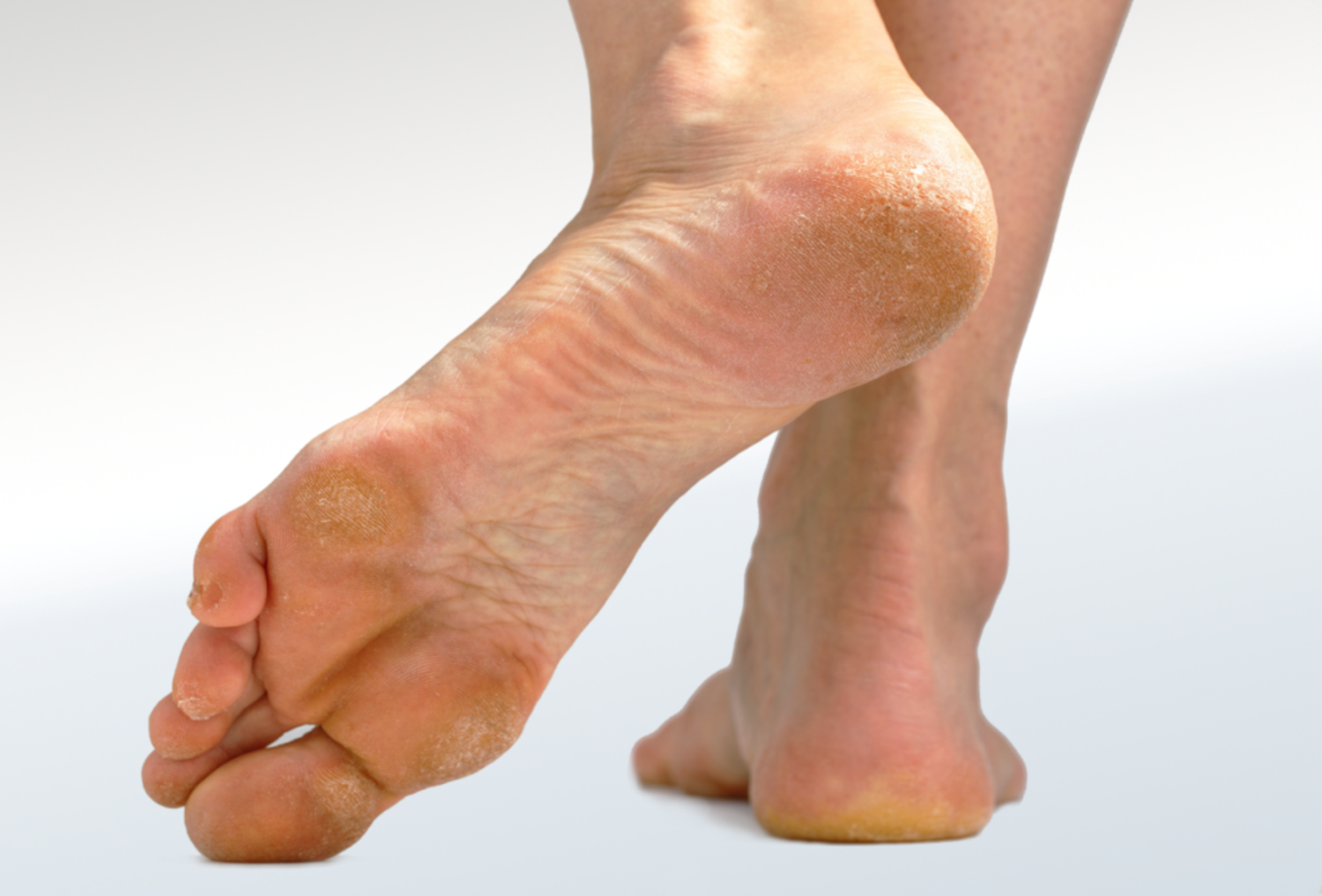
🦶 What Is Plantar Hyperkeratosis?
Plantar hyperkeratosis is the medical term for thickened skin on the soles of the feet due to excess production of keratin—the protein that forms the outermost layer of our skin. This thickening happens as a natural defense mechanism, typically in response to:
- Repeated friction or pressure (e.g., from walking barefoot or tight shoes)
- Abnormal gait or foot structure (like flat feet or bunions)
- Standing for long hours
- Dry skin or eczema
- Aging
- Smoking (Click link to read article)
While it may just seem like a cosmetic issue at first, untreated hyperkeratosis can lead to painful cracks (fissures) and even secondary infections.
What does planter hyperkeratosis look like?
When dry plantar hyperkeratosis is well-demarcated, yellowish hyperkeratotic plaques over weight-bearing areas of the plantar surface.
When plantar hyperkeratosis becomes wet (from sweating, occlusion, or soaking), its appearance changes noticeably. The skin may take on a whitish, soggy, macerated appearance.
✅ DO:
- Apply a urea-based cream (10–40%) daily to soften, exfoliate, and hydrate the skin. Dermatologists love urea for its dual action: it hydrates and breaks down keratin.
- Moisturize twice daily with a thick, occlusive foot cream—preferably one containing urea, salicylic acid, or lactic acid.
- Wear supportive, well-fitted shoes that reduce pressure and friction. Wear socks that absorb moisture.
- See a dermatologist or podiatrist if your calluses are painful.
❌ DON’T:
- Don’t cut calluses yourself—it can lead to wounds or infections.
- Don’t use harsh razors or sharp tools unless performed by a trained medical professional.
- Don’t ignore signs of pain, bleeding, or discharge—these could indicate an infection.
- Don’t walk barefoot on hard surfaces if you’re prone to thickened skin or have diabetes.
"Reactive Hyperkeratosis" or "Rebound Thickening."
When we aggressively file or scrape callused skin too often, the skin thinks it’s under attack and responds by producing even more keratin — leading to thicker calluses. It's better to soften the skin gently with moisturizing agents like urea.
Why Dermatologists Recommend Urea
Urea is a superstar ingredient in dermatology when it comes to treating dry, thickened skin—especially on the feet.
- At low concentrations (10%), it acts as a hydrator by drawing moisture into the skin.
- At higher concentrations (20–40%), urea acts as a keratolytic, meaning it helps break down and exfoliate the thickened layer of skin.
- Urea is non-greasy, well-tolerated, and safe for long-term use—making it ideal for daily foot care.
Look for urea creams from brands like Eucerin, Ureacin, Footlogix, or CeraVe.
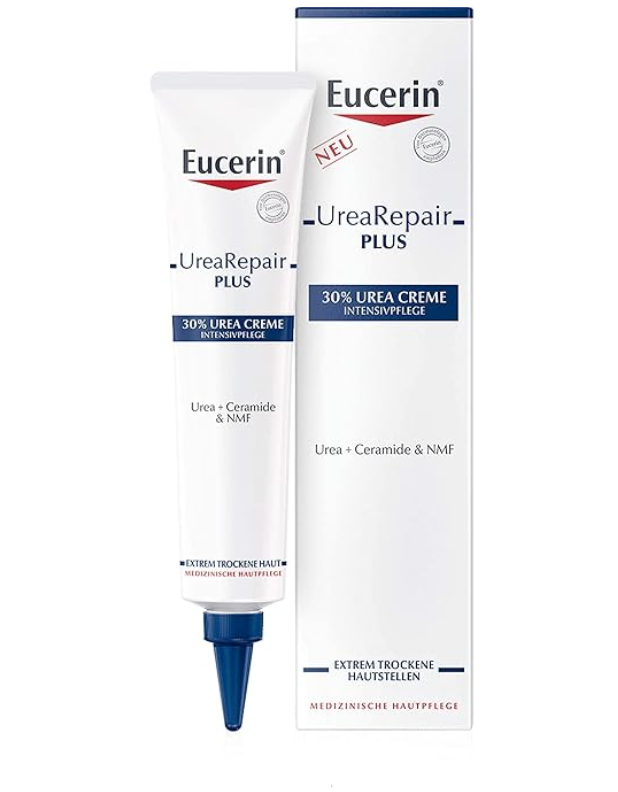
Eucerin
Eucerin Urea Repair plus 30% Urea
Urea Concentration: 30%
Description: Designed for extremely dry, rough, and thickened skin, this cream provides intensive moisture and helps to repair the skin barrier.
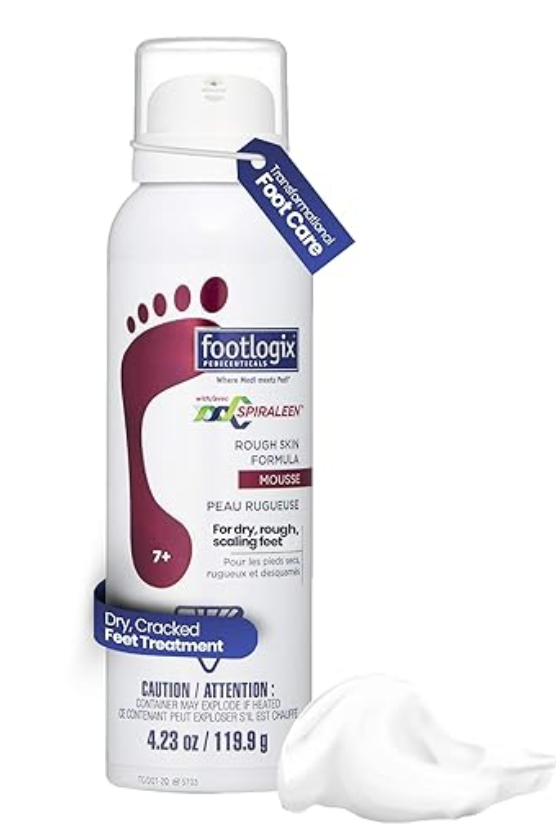
Footlogix
Footlogix Cracked Heel Formula Mousse
Urea Concentration: 25%
Description: A lightweight mousse enriched with urea, designed to deeply hydrate and repair cracked heels.
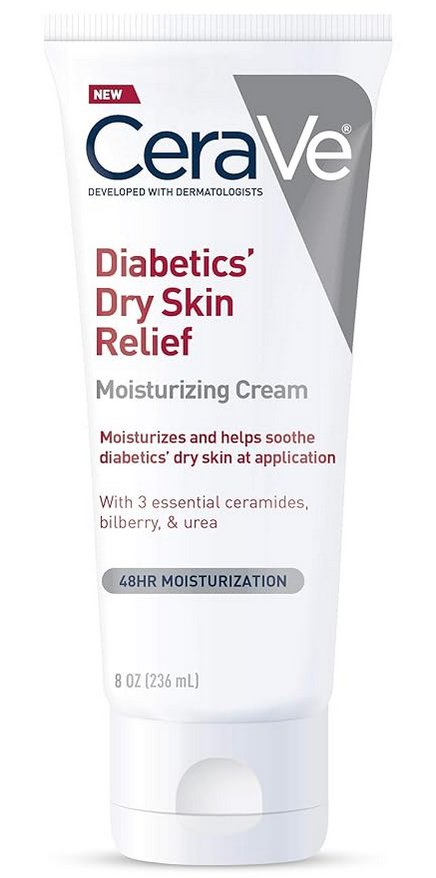
CeraVe
CeraVe Moisturizing Cream for Diabetics’ Dry Skin
Urea Concentration: Contains urea (exact percentage not specified)
Description: Formulated with urea and bilberry, this cream is ideal for extremely dry skin, providing hydration and skin barrier support.
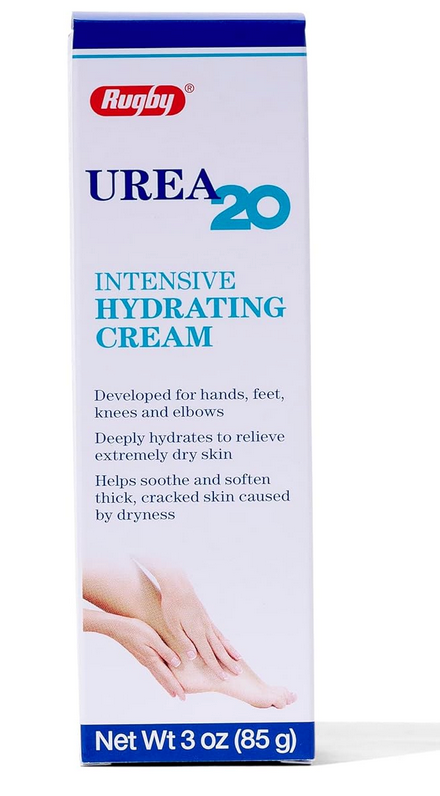
Rugby
Rugby Urea 20% Intensive Hydrating Cream
Urea Concentration: 20%
Description: A cost-effective option for hydrating dry, rough skin on feet, hands, knees, and elbows.
focal intractable plantar hyperkeratosis (IPK)
What is focal intractable plantar hyperkeratosis?
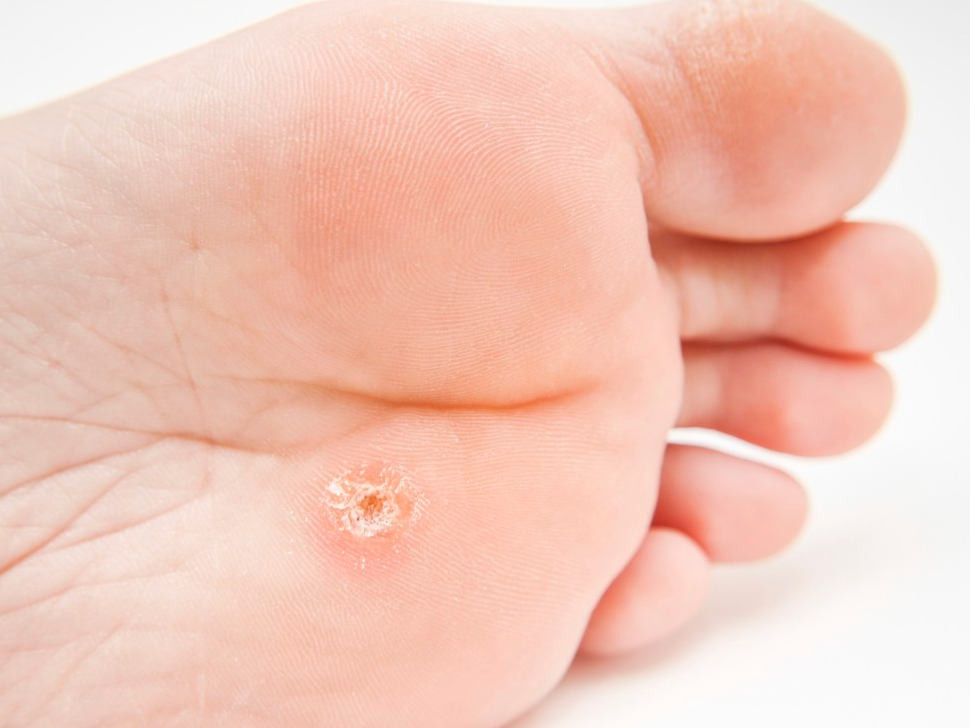
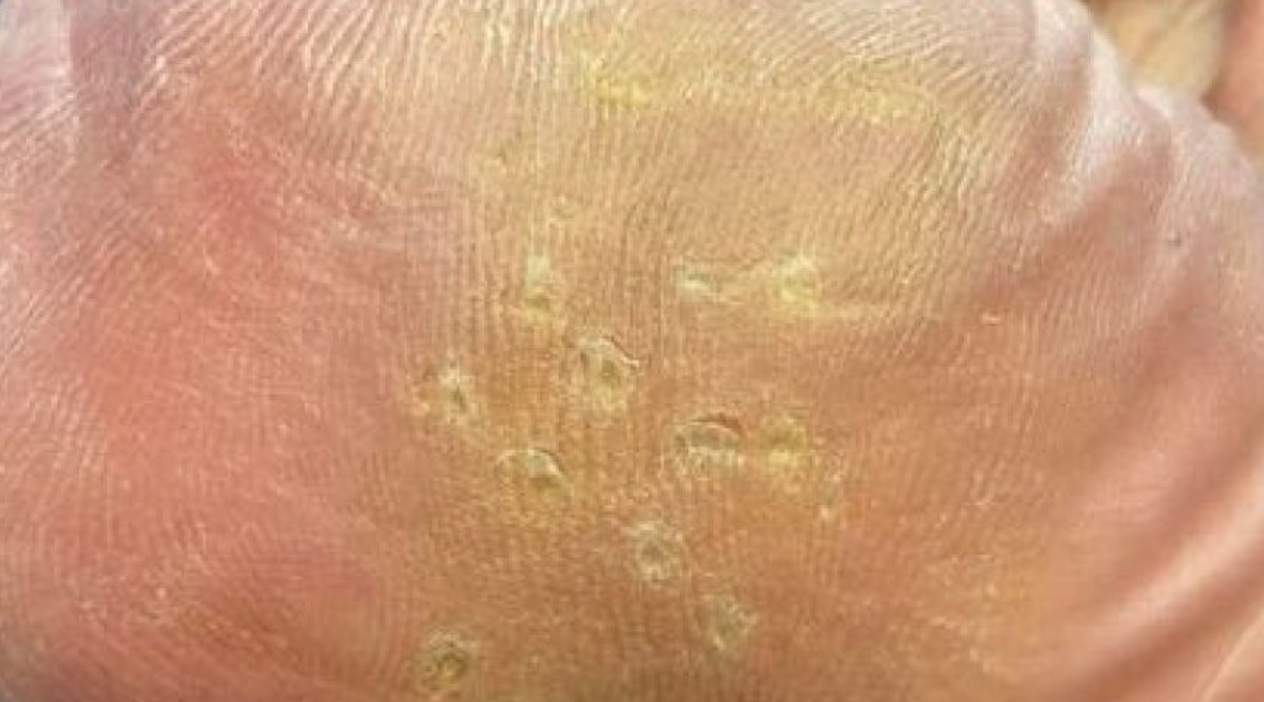
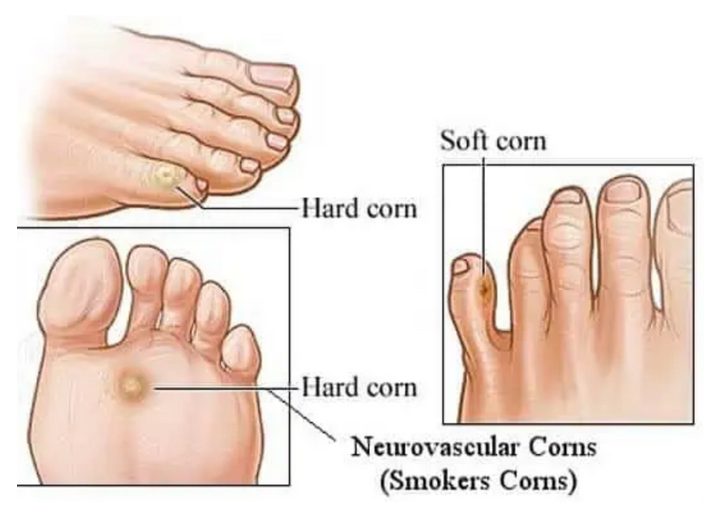
Focal Intractable Plantar Hyperkeratosis is a localized, painful thickening of the skin that develops on the bottom (plantar surface) of the foot, most often at areas exposed to repeated pressure or friction.
IPK is also referred to as:
- Corn
- Clavus
- Heloma
Corns are not an infection or a growth, but rather the skin’s protective response to chronic mechanical stress. For this reason, IPK should be regarded as a symptom of abnormal pressure or friction, not a disease itself.
Etiology: Why does IPK occur?
IPK develops when repetitive mechanical trauma causes the outer layer of skin (the stratum corneum) to thicken excessively.
Common contributing factors include:
- Smoking (Click link to read article)
- Uneven weight distribution across the foot
- Prominent metatarsal heads or bony abnormalities
- High arches, flat feet, or altered gait mechanics
- Hammertoes or toe deformities
- Tight calf muscles (equinus deformity)
- Poorly fitting, tight, or unsupportive footwear
- Prolonged standing, walking, or high-impact activity
IPK is frequently seen in:
- Athletes
- Older adults
- Patients with diabetes
- Amputees or patients with altered gait mechanics
- Individuals wearing ill-fitting shoes or occupational footwear
- Smokers
What Does IPK Look and Feel Like?
Appearance:
- Small, round or oval thickened lesion
- Yellow-white, firm skin
- Well-defined borders
- Located at a weight-bearing pressure point
Symptoms:
- Sharp, localized pain with walking or standing
- Sensation of “walking on a pebble”
- Pain worsens with direct downward pressure
- Tenderness when pressed from side to side
Treatment
Treatment focuses on relieving pressure, reducing excess skin, and preventing recurrence.
- Keratolytic creams (urea, salicylic acid) to soften the lesion
- Custom orthotics or shoe inserts to redistribute pressure
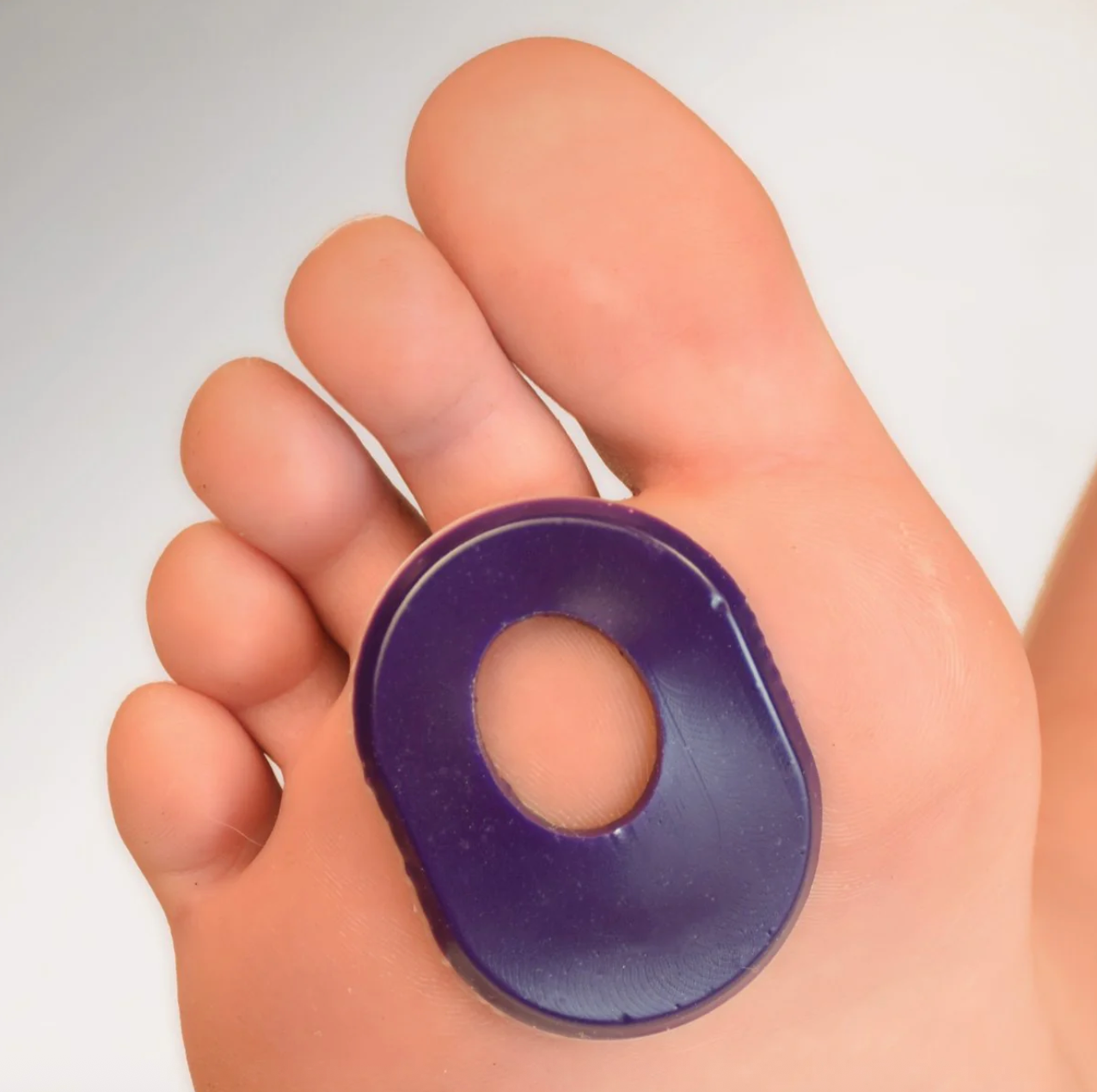
- Padding or offloading devices
- Supportive, well-fitting footwear
- Podiatrist for laser or Professional debridement
- Do not attempt debridement at home or at nail salon
Prevention
Preventing IPK recurrence requires addressing the underlying mechanical cause.
Helpful prevention tips include:
- Wearing properly fitted, cushioned footwear
- Avoiding high heels or narrow shoes
- Using custom orthotics if recommended
- Replacing worn shoes regularly
- Managing callus buildup early
- Addressing gait abnormalities or foot deformities
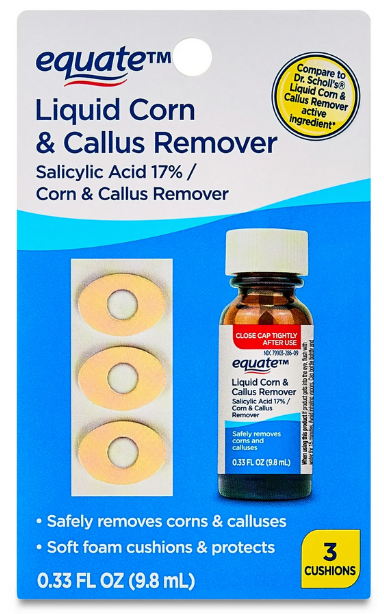
Salicylic acid 17%
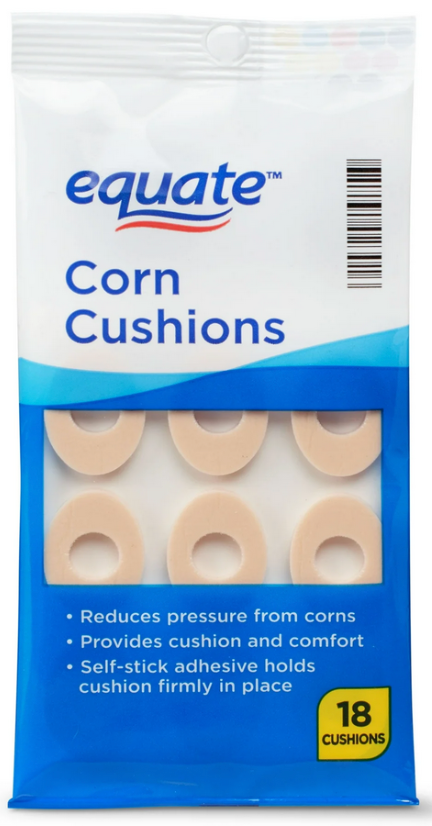
Corn cushion
Reusable Gel Oval Callus Cushions